How to Choose the Best Plastic Recycling Machine in Nigeria – 2025 Buyer’s Guide
Plastic pollution is one of the most pressing environmental challenges in Nigeria today. With rapid urbanization in cities like Lagos, Abuja, Port Harcourt, and Kano, plastic waste generation has significantly increased. Whether it’s PET bottles, HDPE containers, LLDPE film, or polybags, these discarded materials are piling up in landfills, waterways, and streets. As a result, many businesses are now looking for reliable solutions—and investing in plastic recycling machines is a practical and sustainable step forward.
If you’re a recycler, entrepreneur, industrialist, or environmental consultant planning to establish a plastic recycling setup in Nigeria in 2025, selecting the right plastic recycling machine is crucial. A well-chosen machine can ensure high output, energy efficiency, low maintenance, and profitability.
This guide is designed to help Nigerian buyers make an informed decision when purchasing plastic recycling equipment—whether for bottle crushing, pelletizing, granulating, or pulverizing.
Understand Your Recycling Needs and Material Type
Before choosing any plastic recycling machine, the first step is to understand what kind of plastic waste you want to recycle. Each plastic type—such as PET, HDPE, PVC, LDPE, PP, or LLDPE—has unique properties and requires specific processing methods. For instance:
- PET bottles need pre-washing and label removal before crushing.
- LLDPE film requires shredding and drying before extrusion.
- PVC scrap demands careful handling to avoid toxic emissions during melting.
By identifying your plastic waste stream, you can choose the right machine—like a granulator, pulverizer, or extruder—optimized for your material.
Prioritize Machine Durability and Build Quality
The Nigerian recycling environment can be tough. From high humidity to inconsistent power supply and rugged input waste, machines must be engineered to withstand operational stress.
When selecting a plastic recycling machine, always evaluate the build quality, especially the frame construction, rotor design, cutter blades, drive system, and motor housing. Machines made from hardened steel, stainless-steel contact parts, and high-grade components will ensure long-term durability.
Look for machines that offer resistance to wear, corrosion, and mechanical shocks—especially important when recycling contaminated or mixed plastic waste.
Choose Energy-Efficient Machines for Long-Term Savings
Electricity costs in Nigeria can significantly affect the operating cost of recycling facilities. This makes energy efficiency a critical buying factor.
Modern plastic recycling machines now come with energy-saving motors, inverter-driven systems, and optimized cutting or extrusion mechanisms. These features help reduce power consumption without compromising output.
Machines with smart power distribution systems or servo technology are especially helpful in reducing overall electricity usage during peak operations. So, always check for energy ratings, motor efficiency class (IE2 or IE3), and power-saving mechanisms before buying.
Go for Machines with Easy Maintenance & Spares Availability
Routine maintenance plays a vital role in keeping your recycling plant efficient and safe. Select a plastic recycling machine that is easy to clean, inspect, and maintain.
Features like quick-change blades, openable chambers, bolt-free access panels, and automated lubrication systems can reduce machine downtime. Also, ask about local availability of spare parts, support centers, and after-sales service in Nigeria.
Partnering with a manufacturer or supplier who provides detailed manuals, service videos, and technical assistance can significantly ease your maintenance burden.
Evaluate Output Capacity Based on Your Business Size
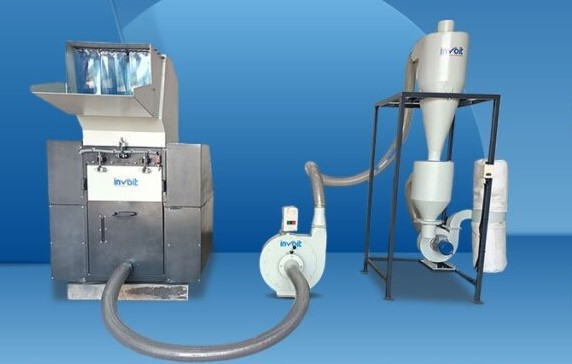
Plastic recycling machines come in a wide range of capacities—from 50 kg/hr for small-scale operations to over 1000 kg/hr for industrial-scale setups. It’s important to match machine capacity with your business scale, input waste volume, and market demand.
- If you are a startup recycler in Lagos, a medium-duty granulator or compact pulverizer may be enough.
- For municipal or commercial recyclers, high-capacity heavy-duty recycling lines are better suited.
Make sure the machine’s capacity aligns with your processing goals and expected throughput in kilograms or tons per day.
Look for Automation and Safety Features
Automation in plastic recycling is gaining momentum across Africa, including Nigeria. Automated plastic recycling machines reduce labor dependency, improve safety, and increase process consistency.
Advanced machines now feature:
- Auto feeding systems
- Overload protection
- Temperature control
- Dust extraction
- Noise reduction technology
- Auto blade adjustment or reversal
These features are essential not just for smoother operation but also to ensure worker safety, especially in small-scale or community-driven recycling plants.
Invest in Versatile and Modular Designs
In 2025, flexibility will be a key factor for recyclers aiming to stay competitive. Choose machines that offer modular setups, allowing you to expand or reconfigure them as your business grows.
For example, a basic plastic crusher can later be connected to a washing line, a dryer, or a pelletizing unit. A pulverizer can be upgraded with a cooling system or vibratory screen separator based on application changes.
A modular design future-proofs your investment and allows cost-effective expansion as your recycling operation evolves.
Consider the Reputation of the Manufacturer
Your machine is only as good as the company that builds it. Choosing a trusted and experienced manufacturer ensures not just quality equipment, but also reliable support, installation guidance, and warranty coverage.
One of the most recognized names in this sector is Invoit Plast Machinery Pvt. Ltd., India’s leading plastic recycling machine manufacturer. With over a decade of experience and a strong export presence in Africa, Invoit Plast has built a reputation for engineering excellence, long-lasting machines, and client-focused service.
Whether you need plastic scrap grinders, pulverizers, granulators, or custom recycling solutions, Invoit Plast offers durable, high-output machines tailored for the African market. Nigerian businesses can benefit from their direct export model, expert consultation, and tailored machine configurations suitable for local needs.
Ensure Local Compliance and Eco-Friendly Processing
With Nigeria’s increasing emphasis on environmental responsibility, it’s important to choose plastic recycling machines that meet local pollution control guidelines and support sustainable processing.
Look for machines that:
- Operate with minimal emissions
- Reduce plastic waste volume
- Support closed-loop recycling
- Are compatible with eco-friendly practices, like water reuse and dust suppression
Sustainability will not only improve your company’s public image but may also help you qualify for government incentives, green certifications, or partnerships with NGOs.
Compare Delivery Timelines, Warranties & Technical Support
When importing machines to Nigeria, pay close attention to the lead time, shipping options, installation service, and warranty period.
Ensure that your supplier offers:
- Timely delivery and logistics coordination
- On-site or remote installation support
- Clear warranty terms
- Prompt post-sale service and online technical assistance
These factors ensure a smooth purchase experience and minimize disruption during machine commissioning and operations.
Final Thoughts: A Smart Investment for a Sustainable Nigeria
As Nigeria battles its plastic pollution crisis, investing in the right plastic recycling machine is no longer optional—it’s a necessity. Whether you’re recycling plastic bags, bottles, films, or industrial scrap, the machine you choose must offer efficiency, durability, scalability, and sustainability.
By focusing on material compatibility, energy savings, local support, and future-ready features, you can make a well-informed choice that delivers consistent returns.
For Nigerian recyclers seeking a reliable and proven partner, Invoit Plast Machinery PVT Ltd stands out as a top-tier manufacturer. With their custom-designed recycling machines, India-made precision, and a focus on global quality, they are helping reshape the future of plastic waste management across Africa.
FAQs
For small businesses, a medium-duty plastic granulator or compact plastic crusher is ideal. It’s affordable, space-saving, and efficient for processing plastic waste like PET bottles and polybags.
Plastic recycling machines can handle a wide range of plastics such as PET, HDPE, LDPE, LLDPE, PVC, and PP, depending on the machine type and configuration.
You should choose the machine capacity based on your daily plastic waste input. For startups, 100–300 kg/hr machines are sufficient, while large operations may need 500–1000 kg/hr or more.
Invoit Plast Machinery Pvt. Ltd. is a top Indian manufacturer known for durable, energy-efficient, and Africa-optimized plastic recycling machines with excellent export support.
Look for rugged build quality, energy efficiency, easy maintenance, and the ability to handle mixed plastic waste. Machines should also have low power consumption and reliable spare parts support.
Yes, many machines come with low-emission processing, dust control, and water-saving features to support environmentally sustainable recycling.
Absolutely. Many manufacturers, like Invoit Plast, offer modular or customizable machines to suit specific needs—whether you’re recycling film, rigid plastic, or industrial scrap.