
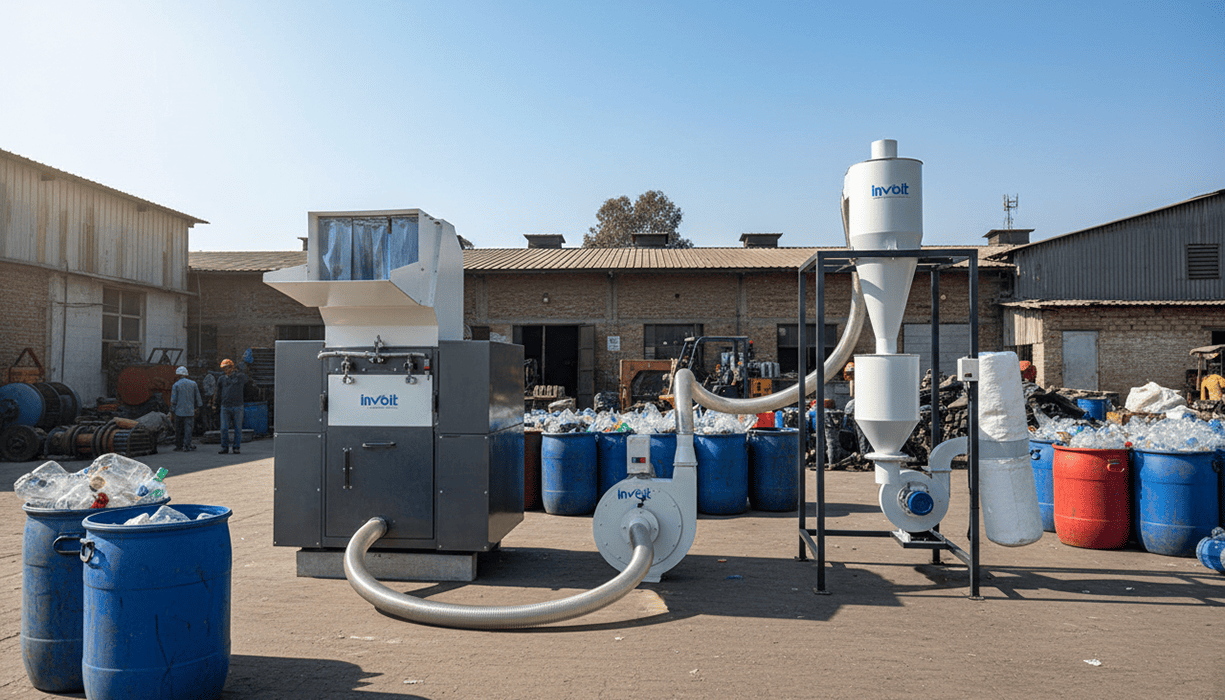
Why Every Plastic Manufacturer Needs a High-Quality Recycling Machine
In today’s fast-paced manufacturing world, efficiency, sustainability, and cost-effectiveness have become the foundation of success. Nowhere is this more evident than in the plastic manufacturing industry. Plastic is a versatile material used in countless applications, from packaging and construction to automotive and consumer goods. However, with increased production comes a significant responsibility—managing plastic waste effectively. This is where a high-quality plastic recycling machine plays a crucial role.
For plastic manufacturers, investing in a reliable recycling machine is no longer optional—it’s a necessity for operational success, environmental compliance, and long-term profitability. Let’s explore why every plastic manufacturer should make this investment and how it can transform production operations.
Meeting Growing Environmental Responsibilities
Plastic waste has become a major environmental challenge worldwide. Governments and regulatory bodies are imposing stricter rules on waste management and recycling. A high-quality plastic recycling machine enables manufacturers to meet these obligations by efficiently processing post-production waste and defective products into reusable raw material.
By recycling in-house, manufacturers can drastically reduce the volume of plastic waste sent to landfills or incinerators. This not only improves a company’s environmental image but also aligns with global sustainability goals. Manufacturers who invest in recycling technology are seen as forward-thinking, responsible, and environmentally conscious—qualities that can strengthen their market position.
Reducing Raw Material Costs
The cost of raw plastic resins has been rising steadily due to market demand, transportation costs, and global supply fluctuations. A plastic recycling machine allows manufacturers to reuse their scrap materials, reducing dependence on expensive virgin resins.
For example, offcuts, rejected parts, and leftover materials can be collected, processed, and transformed into granules or powder for reuse in new production batches. This closed-loop system minimizes material waste and significantly lowers production costs without compromising product quality.
Improving Production Efficiency
Scrap and rejected products are inevitable in any manufacturing process. Without an efficient recycling setup, these materials either pile up in storage or require costly disposal. A high-performance plastic recycling machine streamlines this process by automatically shredding, grinding, or pulverizing scrap into reusable form, ensuring a smooth and continuous production cycle.
When integrated into the manufacturing workflow, recycling machines help eliminate bottlenecks, reduce downtime, and ensure optimal utilization of materials. This leads to faster production turnaround times and better operational efficiency.
Enhancing Product Quality and Consistency
One common misconception is that recycled plastic compromises product quality. In reality, a high-quality recycling machine ensures uniform particle size, proper blending, and contamination removal, producing recycled material that meets strict quality standards.
By maintaining consistent raw material properties, manufacturers can ensure that their products remain durable, strong, and visually appealing. Advanced recycling machines also allow precise control over the output, enabling manufacturers to meet specific customer requirements without quality variations.
Supporting Corporate Social Responsibility (CSR) Goals
Today’s consumers are more eco-conscious than ever. They prefer brands that actively contribute to reducing environmental impact. Plastic manufacturers that invest in recycling not only enhance operational efficiency but also build a strong CSR profile.
By showcasing their commitment to reducing waste and promoting a circular economy, manufacturers can attract environmentally conscious clients, strengthen brand loyalty, and even access markets that prioritize sustainable sourcing.
Complying with Industry Regulations
Across India and globally, plastic waste management rules are becoming increasingly stringent. Many regions have introduced Extended Producer Responsibility (EPR) guidelines, requiring manufacturers to take accountability for the entire lifecycle of their products.
Having an in-house plastic recycling machine helps companies meet these regulations with ease. It ensures that waste is processed responsibly and traceably, avoiding fines, penalties, and reputational damage.
Increasing Competitive Advantage
In a competitive market, cost control, quality assurance, and sustainability can set a manufacturer apart. By recycling plastic in-house, manufacturers reduce dependency on external suppliers, protect themselves from price fluctuations, and ensure consistent production schedules.
Clients increasingly prefer suppliers who can deliver sustainable solutions. A company with a proven recycling setup can use this as a strong selling point, winning contracts and building long-term partnerships.
Boosting Profitability
When manufacturers reduce raw material purchases, minimize waste disposal costs, and maintain consistent production quality, the result is improved profitability. The initial investment in a high-quality plastic recycling machine often pays for itself in a short time through savings in material costs and increased production efficiency.
Additionally, surplus recycled material can even be sold to other manufacturers, creating a new revenue stream for the business.
Types of Plastic Recycling Machines for Manufacturers
Depending on production needs, manufacturers can choose from different recycling machines:
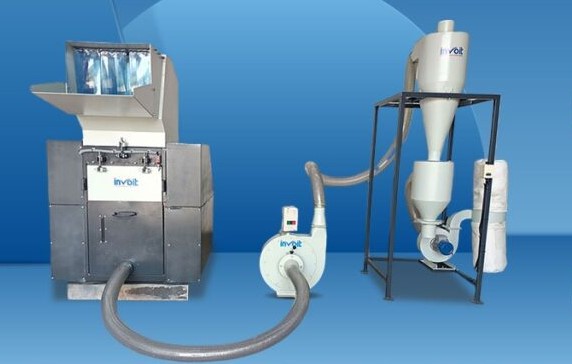
- Plastic Scrap Grinder Machines – Ideal for shredding plastic waste into small granules for reuse.
- Plastic Pulverizers – Convert scrap plastic into fine powder for further processing.
- Plastic Dana Making Machines – Transform scrap into uniform pellets for high-quality reproduction.
Each machine type serves a specific role in the recycling process, and a combination of these machines can create a fully integrated recycling system.
Why Choose Invoit Plast Machinery PVT Ltd
When it comes to plastic recycling machine manufacturers in India, one name stands out—Invoit Plast Machinery PVT Ltd. As a leading manufacturer, Invoit Plast is known for producing durable, efficient, and technologically advanced recycling machines that cater to the needs of both small-scale and large-scale manufacturers.
With a focus on innovation, quality, and customer satisfaction, Invoit Plast ensures that its machines deliver maximum output with minimal maintenance. By choosing Invoit Plast, manufacturers not only invest in top-quality machinery but also partner with a company dedicated to supporting the plastic industry’s sustainability goals.
Future-Proofing Your Business
The demand for recycled plastic is growing rapidly as industries worldwide shift toward sustainable practices. Manufacturers that adopt in-house recycling now will be better positioned to meet future market demands and environmental standards.
A high-quality plastic recycling machine is more than just an equipment purchase—it’s a strategic investment in the future of your business. It helps reduce environmental impact, control production costs, and maintain a strong competitive edge in a rapidly evolving market.
Final Thoughts
Every plastic manufacturer faces the challenge of balancing production efficiency, cost control, and environmental responsibility. A reliable plastic recycling machine addresses all three, turning waste into valuable raw material, reducing expenses, and ensuring compliance with sustainability goals.
With rising environmental concerns and tighter regulations, there has never been a better time to invest in a high-quality recycling solution. For manufacturers in India and beyond, Invoit Plast Machinery PVT Ltd remains the trusted choice for innovative, efficient, and durable recycling machines that empower businesses to thrive sustainably.
FAQs
A plastic recycling machine is essential because it helps manufacturers reuse scrap materials, reduce raw material costs, comply with environmental regulations, and maintain consistent production quality. It also supports sustainability and enhances brand reputation.
By processing in-house scrap into reusable material, a recycling machine lowers the need for virgin plastic resins. This reduces purchasing costs, waste disposal fees, and dependency on external suppliers, ultimately increasing profitability.
Yes, when processed with a high-quality recycling machine, recycled plastic can match the quality of virgin material in strength, durability, and appearance. Advanced machines ensure uniform granule size and contamination removal.
Most machines can handle production scrap, offcuts, defective products, packaging waste, and other thermoplastic materials like HDPE, LDPE, PVC, PET, and PP.
Yes. There are different models available—from compact units for small-scale factories to heavy-duty industrial machines for large-scale production. Manufacturers can choose a model that matches their output requirements.
Under Extended Producer Responsibility (EPR) guidelines, manufacturers must manage their plastic waste responsibly. Recycling machines enable compliance by converting waste into reusable material and reducing landfill disposal.
Invoit Plast Machinery PVT Ltd is one of the best plastic recycling machine manufacturers in India, known for producing efficient, durable, and low-maintenance machines that meet global quality standards and support sustainability goals.
Far far away, behind the word mountains, far from the countries Vokalia and Consonantia, there live the blind texts. Separated they live in Bookmarksgrove right at the coast
Most manufacturers recover their investment within a short period due to savings on raw material purchases, reduced waste disposal costs, and potential revenue from selling recycled material.
The most widely used machines include Plastic Scrap Grinder Machines, Plastic Pulverizers, and Plastic Dana Making Machines, each serving a different recycling function.