
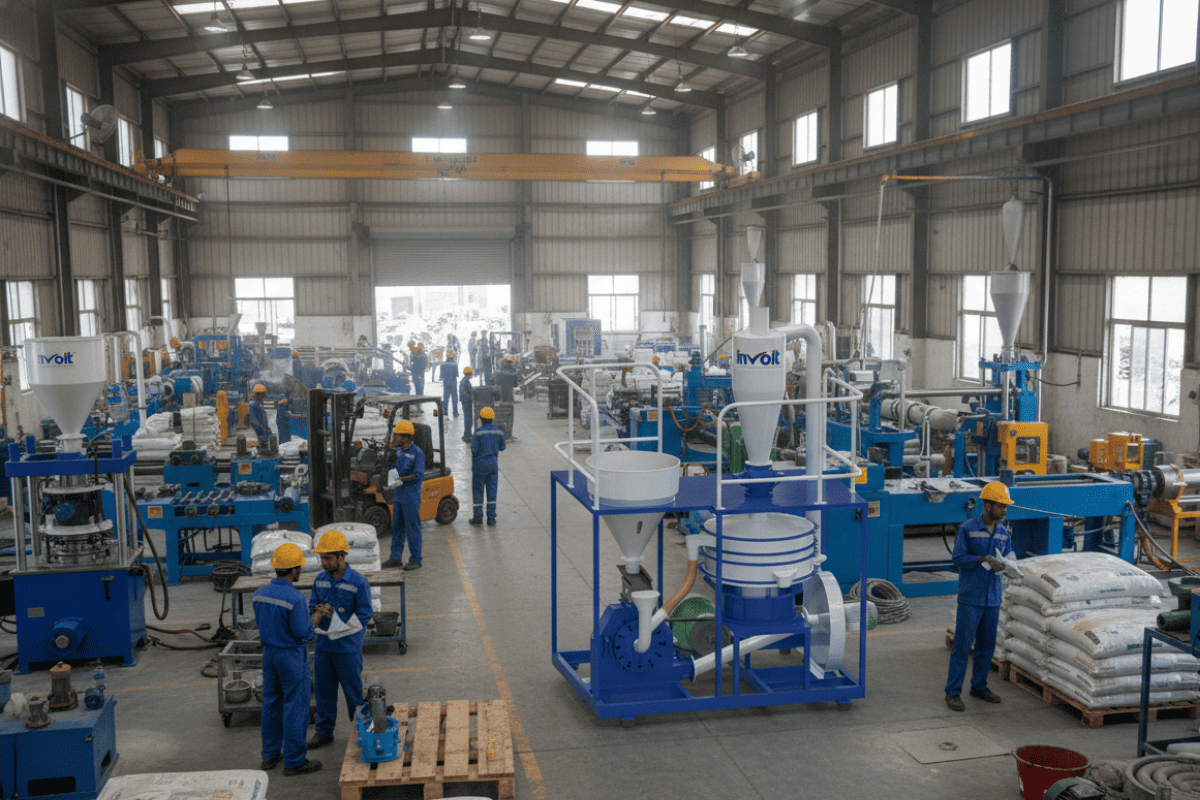
The Most Reliable Plastic Pulverizer Machine for PVC, CPVC, LDPE & WPC Processing Units
The global reliance on plastic processing is growing, making the efficiency of waste management and material reuse critical. For processing units dealing with diverse polymers like PVC, CPVC, LDPE, and Wood-Plastic Composites (WPC), the quality of regrind is directly proportional to the profitability of the final product. At the heart of this process lies the Plastic Pulverizer Machine, a piece of equipment that cannot afford to fail. Identifying the most reliable machine involves looking beyond mere specifications and assessing the deeper engineering and material science that ensures consistent performance, high throughput, and minimal downtime across such challenging and varied material types.
Understanding Reliability: More Than Just Durability
In the high-stakes environment of material recycling, reliability means two core things: predictable uptime and consistent particle size distribution (PSD). A machine might be physically durable, but if it requires constant screen changes or suffers from thermal degradation, it fails the reliability test. For processors handling tough materials, the ideal Plastic Pulveriser Machine must feature robust, high-grade steel construction, precision-engineered grinding discs (also known as rotary and static milling plates), and a highly effective cooling system that actively manages temperature, especially when processing temperature-sensitive materials like LDPE and CPVC.
Material-Specific Challenges and Pulverizer Requirements
The demand placed on a pulverizer changes drastically depending on the polymer being fed. Each material presents a unique challenge that a truly reliable machine must overcome without compromise:
- PVC and CPVC: Polyvinyl Chloride (PVC) and Chlorinated Polyvinyl Chloride (CPVC) are sensitive to heat. High friction during grinding can quickly raise the temperature, leading to melting, clogging, and even the release of volatile compounds. A dedicated PVC Pulverizer Machine needs exceptional water-jacketed cooling systems and a highly efficient airflow design. The geometry of the grinding disc teeth must be optimized to break the material quickly, minimizing the heat exposure time before the powder is discharged. This precision is essential for ensuring the resulting PVC powder retains its quality for reuse.
- LDPE (Low-Density Polyethylene): LDPE is notorious for its low melting point, making it sticky under friction. Pulverising LDPE requires rapid processing and intense cooling to prevent the material from clumping or “caking” into unmanageable blocks. The most reliable machines utilize closed-loop cooling systems combined with powerful blowers to evacuate the fine powder the instant it reaches the desired micron size.
- WPC (Wood-Plastic Composites): WPC introduces the variable of wood fibers, demanding a pulverizer that handles both the polymer matrix and the fibrous filler. The challenge here is abrasive wear on the grinding plates. Reliability for WPC processing means utilizing discs made from high-chrome alloy or specialized tool steel that can withstand the constant abrasion without rapid dulling, thereby maintaining throughput and particle consistency over thousands of operational hours.
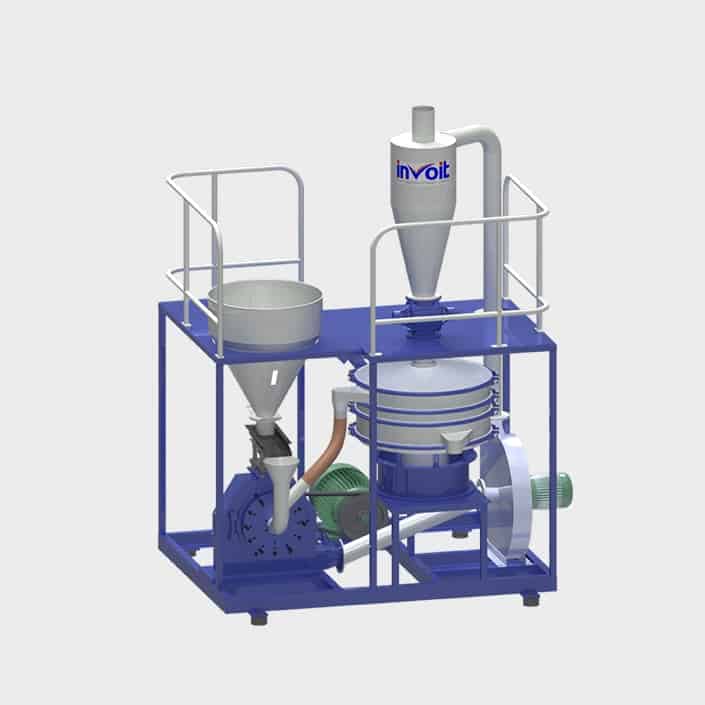
Key Design Innovations for Maximum Throughput and Efficiency
The modern, reliable Plastic Pulverizer Machine incorporates several critical design innovations that separate market leaders from standard equipment. These features are essential for achieving the high output rates required by large-scale processing units, particularly in a diverse manufacturing hub like India.
1. Advanced Grinding Disc Geometry
The heart of the system, the grinding discs, should not be generic. The best manufacturers engineer customised disc sets for specific polymer groups. For rigid materials like PVC, a multi-stage grinding surface offers excellent reduction. For softer materials like LDPE, aggressive tooth profiling ensures fast, non-clogging material breakdown. The ease of replacing and adjusting these discs is also a hallmark of reliability, translating directly into reduced maintenance downtime.
2. High-Efficiency Cooling Systems
As noted, temperature control is paramount. Superior models feature an integrated chilling system—often a combination of water-jacketing around the grinding chamber and active air circulation—that keeps the internal temperature below the polymer’s critical melting point. This proactive thermal management is crucial for continuous, non-stop operation, which is the definition of reliability in this industry.
3. Automatic Gap Adjustment and Feeding Control
A reliable pulverizer should not require manual operator intervention for fine-tuning. Automatic controls that monitor motor load and material temperature can adjust the feed rate dynamically. Furthermore, sophisticated machines offer motorized or hydraulic gap adjustment between the grinding discs, allowing the operator to fine-tune the final particle size from a control panel, ensuring consistency and maximizing material yield.
Manufacturing Excellence: The Indian Advantage
For processing units operating across the subcontinent, securing machinery that understands local operational demands, material nuances, and rigorous performance expectations is vital. It is essential to look for partners who combine global technological standards with accessible local support.
Invoitplast Machinery Best Plastic Pulverizer Machine Manufacturer & Supplier in India stands out in the marketplace by focusing intently on the quality of the final pulverized product and the longevity of the equipment itself. Their commitment to building machines with robust chassis construction, precision-machined components, and specialized anti-abrasion grinding discs addresses the core reliability concerns of processors dealing with the full spectrum of materials—from rigid CPVC to difficult LDPE films. By manufacturing locally and focusing on long-term partnerships, they ensure that every Plastic Pulverizer Machine India processes the most challenging plastics efficiently and effectively, delivering not just equipment, but a long-term production solution. This domestic presence offers superior turnaround times for spares and specialized engineering support that imported machinery often lacks.
The Financial Case for a Premium Plastic Pulverizer Machine
While avoiding direct price disclosure, it is important to emphasize that the true cost of ownership is determined by operational expenditure, not just the initial purchase price. A reliable, high-performance Plastic Pulverizer Machine is a strategic investment that delivers returns through several operational efficiencies:
- Reduced Energy Consumption: Efficient cutting action and optimal rotor speeds mean the machine processes more material per kilowatt-hour, driving down electricity costs significantly compared to older, less optimized designs.
- Minimal Consumable Costs: Machines with high-quality, specialized grinding discs maintain their sharpness for longer periods, reducing the frequency and cost of replacement parts.
- Minimized Downtime: By mitigating the risk of clogging and overheating through superior cooling, the machine maintains continuous operation. Even a single day of unexpected downtime can cost a large processing unit thousands, making preventative engineering a priceless feature.
The right equipment acts as an operational multiplier, allowing companies to meet high production targets consistently and predictably.
Selecting Your Partner: The Future of Plastic Pulverizer Machine India
Look for evidence of specific expertise in polymer science and mechanical engineering, not just assembly capabilities. Ask about their testing protocols for materials like CPVC and LDPE, and inquire about the longevity of the grinding media they use. The future of sustainable and profitable plastic processing hinges on maximising material quality and minimising operational risk. By choosing a technologically advanced and supported Plastic Pulverizer Machine, processing units secure their competitive edge in a demanding global market.
FAQs
A reliable Plastic Pulverizer Machine must deliver consistent particle size, stable output, and long-term uptime under continuous load. Reliability also depends on precision-engineered grinding discs, advanced cooling systems, and anti-abrasion materials that can handle diverse polymers like PVC, CPVC, LDPE, and WPC without overheating or clogging.
PVC and CPVC are highly heat-sensitive materials. A PVC Pulverizer Machine must include high-efficiency water-jacketed cooling, optimized airflow, and customized disc geometry to prevent melting, sticking, and thermal degradation. Without proper cooling, powder quality drops and machine downtime increases.
LDPE becomes sticky when exposed to heat or friction. A reliable Plastic Pulverizer Machine uses rapid processing, strong blowers, and a closed-loop cooling system to prevent clumping. This ensures smooth powder discharge and maintains the required micron-level size.
Yes, but only if the machine uses high-chrome or special alloy grinding discs designed for abrasive wood fibers. WPC creates substantial wear on poor-quality discs. A dependable pulverizer ensures long disc life, consistent throughput, and uniform powder quality despite the abrasive nature of WPC.
Leading machines in India feature:
– Advanced disc geometry engineered for different polymers
– Integrated water and air cooling systems
– Automatic gap adjustment for uniform PSD
– Load-based feeding control
– Heavy-duty steel construction for vibration-free operation
These features maximize reliability and minimize maintenance costs.
Cooling systems prevent polymer melting, sticking, and thermal degradation. For materials like LDPE and CPVC, controlling temperature is essential. A high-quality Plastic Pulverizer Machine uses dual cooling—water-jacket chilling and strong airflow—to enable continuous, non-stop production.
Automatic gap adjustment allows the operator to set the preferred particle size without manual intervention. It ensures consistent powder quality, reduces human error, and improves overall machine uptime—making the pulverizer more reliable in demanding industrial applications.
A premium Plastic Pulverizer Machine reduces energy consumption, minimizes consumable usage, and prevents unplanned downtime. Although the initial investment may be higher, reduced operational expenditure results in faster ROI and consistent production output.
Invoitplast Machinery is known for engineering precision-machined grinding discs, robust chassis construction, and advanced cooling systems. Their machines deliver durability, low maintenance, and consistent grinding quality across PVC, CPVC, LDPE, and WPC. As a leading Plastic Pulverizer Machine Manufacturer in India, they offer quick service support and reliable spare part availability.
These machines are widely used in:
– PVC & CPVC pipe manufacturing
– WPC board production
– LDPE/LLDPE film recycling units
– Plastic recycling plants
– Rotomolding and compounding units
– Masterbatch and polymer processing industries
Any industry requiring fine powder regrind depends on a reliable Plastic Pulverizer Machine India for consistent conversion efficiency.
This depends on material type and machine quality. With high-chrome alloy discs and proper cooling, top-tier machines—such as those by Invoitplast Machinery—offer significantly longer disc life, even under abrasive materials like WPC.
Yes. Advanced manufacturers offer customized disc sets, motor power configurations, feeding systems, and cooling modules depending on whether you process PVC, CPVC, LDPE, WPC, or mixed materials. Customization ensures maximum performance and reliability.