
Pressure Relief Valve
Pressure Relief Valve
Reliable Over Pressure Protection for Industrial Material Handling Systems
When pressure inside an industrial material-handling system, conveying line, storage equipment or process vessel rises beyond the safe operating range, even a small pressure imbalance can affect equipment performance and create unnecessary operational risk. A properly selected Pressure Relief Valve provides a controlled way to release excess pressure and helps protect connected equipment during abnormal pressure conditions.
Invoitplast Machinery Pvt. Ltd. manufactures and supplies industrial pressure protection solutions designed around the practical requirements of plastic processing, bulk material handling, pneumatic conveying, storage systems and related industrial applications.
Whether you are installing a new material-handling system, upgrading an existing conveying arrangement or looking for a replacement pressure protection device, Invoitplast can help you evaluate a suitable solution according to your application requirements.
What Is a Pressure Relief Valve?
A Pressure Relief Valve (PRV) is a pressure protection device designed to release excess pressure when the pressure inside a protected system reaches a predetermined limit.
In industrial material-handling applications, pressure can change during pneumatic conveying, material transfer, loading, unloading, aeration, air movement or other process conditions. If pressure is not properly controlled, connected equipment and process components may be subjected to unwanted mechanical stress.
A Pressure Relief Valve provides a controlled pressure-release path when internal pressure becomes higher than the selected operating limit.
For material-handling systems, pressure protection is particularly important because changes in airflow, conveying conditions and material movement can create pressure fluctuations. A suitable pressure and vacuum protection arrangement can help protect connected equipment against abnormal pressure or vacuum conditions.
Why Is a Pressure Relief Valve Important in Material Handling?
Industrial material-handling equipment can experience pressure changes for many reasons.
For example, pneumatic conveying can increase pressure within connected equipment, while material discharge, air extraction or changes in airflow can create a vacuum condition. A pressure-protection device helps manage these abnormal pressure conditions before they become a serious equipment problem.
The key purpose of a Pressure Relief Valve is to provide:
Controlled Pressure Release
When pressure exceeds the selected limit, the valve provides a controlled path for excess pressure to escape.
Equipment Protection
Pressure protection helps reduce the risk of equipment damage caused by uncontrolled pressure buildup.
Safer Plant Operation
A correctly selected relief device forms an important part of an overall equipment protection strategy.
Reduced Unplanned Downtime
Preventing pressure-related equipment problems can help maintain more consistent production and material-handling operations.
Easier Maintenance Planning
A properly accessible valve can be inspected and maintained without unnecessarily disrupting the complete material-handling process.
TALK TO OUR PRESSURE RELIEF VALVE EXPERT
Industrial-Grade Recycling Solutions by Invoit Plast Machinery PVT LTD
Comprehensive Technical Specifications & Matrix
To support integration into demanding industrial material-handling environments, pressure relief valves should be selected according to the actual application, pressure conditions, temperature, material compatibility and connection requirements.
The following technical specification matrix can be used as a selection framework for standard and application-specific Pressure Relief Valve requirements:
|
Technical Parameter |
Specification / Selection Details |
|
Valve Body & Bonnet Materials |
Material selection according to application, operating environment, pressure and compatibility requirements. Options may include stainless steel, carbon steel and other application-specific materials. |
|
Valve Size |
Selected according to connected equipment, airflow, pressure conditions and required relief capacity. |
|
Connection Type |
Connection arrangement selected according to the existing material-handling equipment and installation requirements. |
|
Operating Pressure |
Selected according to the normal operating pressure and maximum permissible pressure of the protected equipment. |
|
Relief Pressure Setting |
Determined according to equipment design limits and application requirements. |
|
Operating Temperature |
Valve configuration and sealing materials selected according to the process temperature. |
|
Material Compatibility |
Selection based on the handled material, dust characteristics, process environment and equipment construction. |
|
Relief Capacity |
Determined according to the volume, pressure conditions, airflow and potential pressure-generation scenario. |
|
Pressure / Vacuum Protection |
Configuration can be evaluated according to whether the application requires positive-pressure protection, vacuum protection or combined protection. |
|
Installation Arrangement |
Selected according to available mounting space, equipment configuration and accessibility for inspection. |
|
Maintenance Requirement |
Designed for practical inspection, cleaning and servicing according to the application and manufacturer’s recommendations. |
|
Application |
Plastic processing, bulk material handling, pneumatic conveying, material transfer and related industrial systems. |
Note: Final valve specifications, pressure settings, materials, dimensions and connection details should be confirmed according to the actual application and equipment design before selection.
Applications Across Industrial Material-Handling Systems
As an industrial machinery and material-handling equipment manufacturer, Invoitplast Machinery Pvt. Ltd. provides pressure protection solutions for applications where pressure control is an important part of the overall material-handling arrangement.
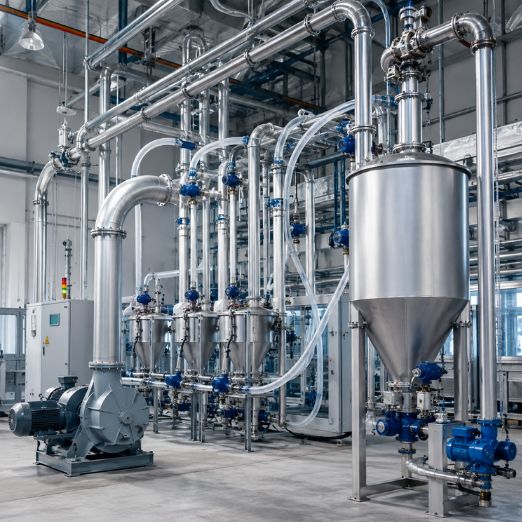
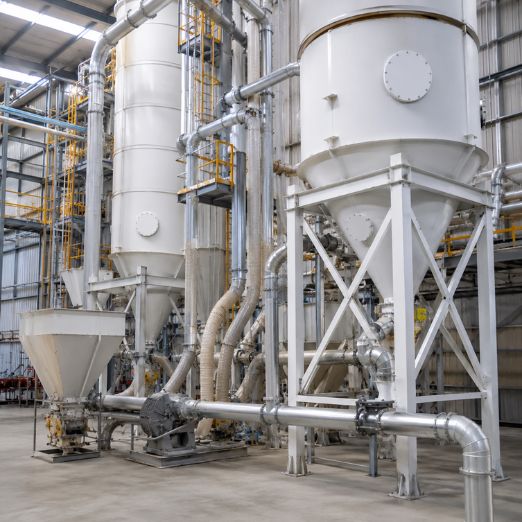
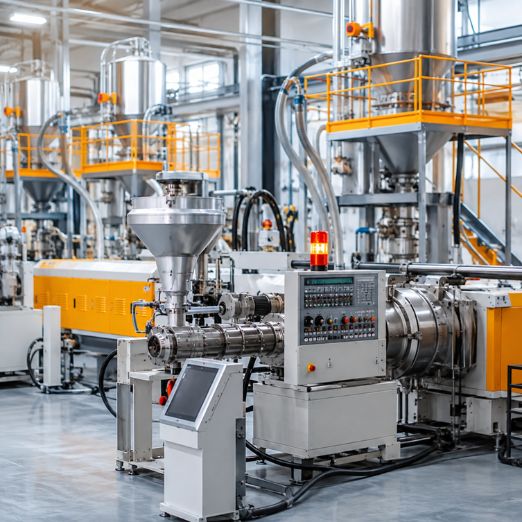
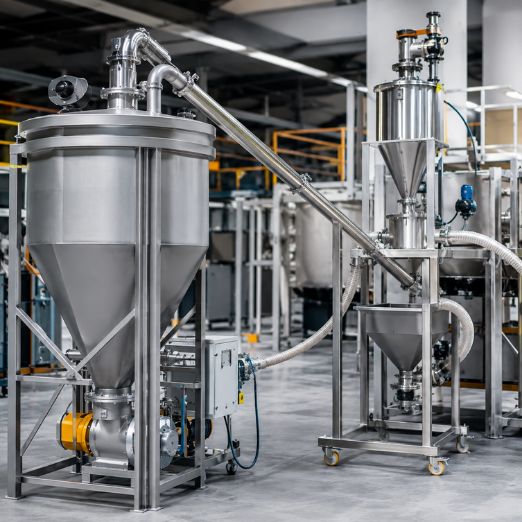
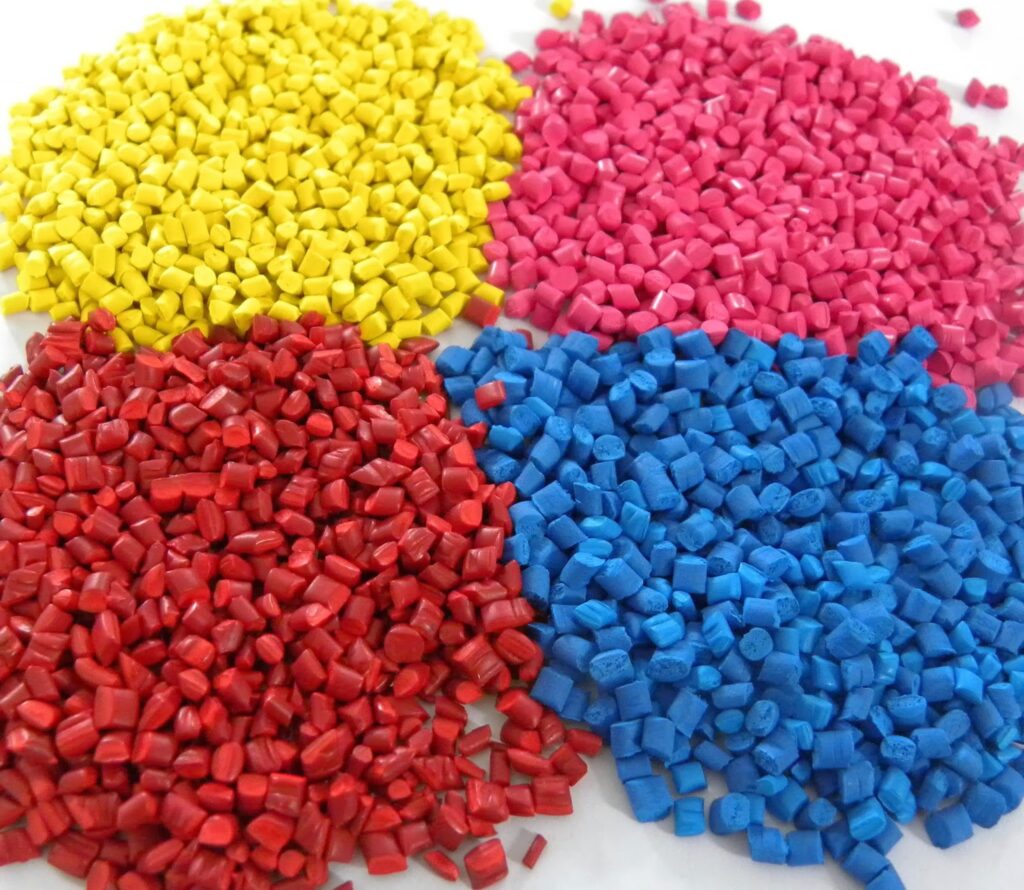
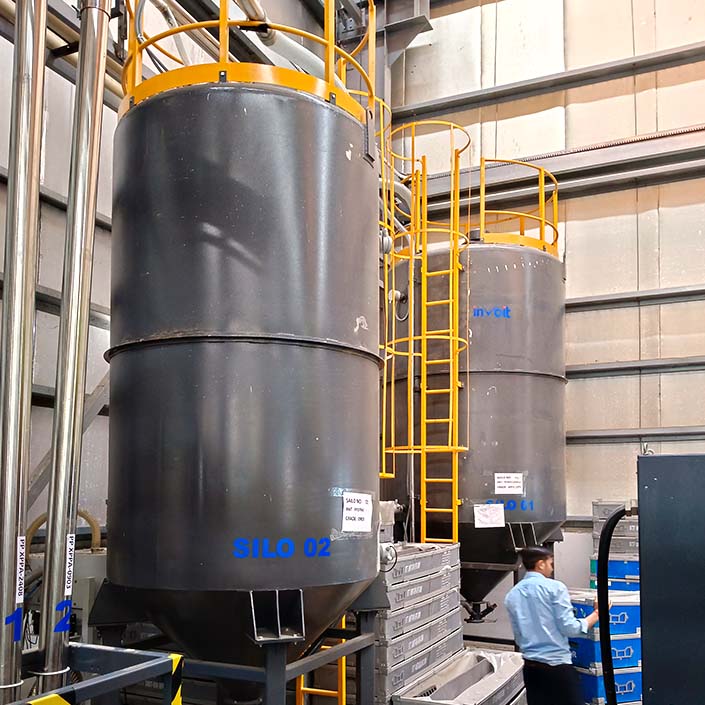
The final configuration should be determined according to the customer’s formulation and production conditions.
Why Choose Invoitplast Machinery Pvt. Ltd.?
Invoitplast Machinery Pvt. Ltd. focuses on industrial machinery and material-handling solutions for plastic processing and related manufacturing applications.
Our experience with equipment such as conveying systems, storage systems, mixers and plastic processing machinery allows us to look at pressure protection as part of the complete material-handling process rather than as an isolated component.
Application-Oriented Support
We understand that a valve installed in a pneumatic conveying system can have different requirements from a valve used in another industrial pressure application.
Industrial Manufacturing Focus
Our products are developed with industrial operating environments and practical maintenance requirements in mind.
Custom Requirement Evaluation
If your existing installation has a specific connection, pressure condition, material-handling arrangement or space limitation, share the details with our team so the requirement can be evaluated before supply.
Suitable for Plastic Processing Applications
Our product solutions are particularly relevant to plastic processing, recycling, compounding, masterbatch and material-handling plants.
Support for New & Replacement Requirements
Whether you are building a new material-handling system or replacing an existing pressure protection device, our team can help identify the relevant application parameters.
Pressure Relief Valve Manufacturer in Ahmedabad, Gujarat
Invoitplast Machinery Pvt. Ltd. is based in Ahmedabad, Gujarat, an important industrial manufacturing hub in India.
From Ahmedabad, we serve customers involved in plastic processing, recycling, extrusion, compounding, masterbatch, material handling and industrial manufacturing.
Our location enables us to support customers across India while also handling requirements for industrial buyers looking for machinery and material-handling solutions from India.
Maintenance Tips for Pressure Relief Valve
Regular inspection helps maintain the reliability of pressure protection equipment.
Recommended practices include:
- Inspect the valve periodically for visible damage.
- Check for dust or material buildup where applicable.
- Keep the surrounding area accessible.
- Check for signs of leakage or abnormal operation.
- Inspect connected equipment and pressure-relief or vent paths.
- Investigate repeated valve activation.
- Follow the manufacturer’s maintenance recommendations.
- Do not alter the pressure setting without proper technical evaluation.
- Replace damaged components with compatible parts.
- Maintain records of inspection and service activities.
For critical industrial applications, inspection frequency should be determined according to the equipment, operating environment and applicable safety requirements.
Get the Right Pressure Relief Valve for Your Material Handling Application
A Pressure Relief Valve is a small component, but its role in an industrial pressure-protection system can be extremely important.
The right valve should match the equipment, operating pressure, material, temperature, connection and process conditions.
For plastic processing and bulk material-handling plants, pressure protection should also be considered together with pneumatic conveying systems, material transfer equipment, storage systems, filters, vents and other connected equipment.
Invoitplast Machinery Pvt. Ltd. can help industrial buyers evaluate their requirement and select a suitable pressure relief solution based on the actual application.
If you are planning a new material-handling installation, replacing an existing valve or upgrading pressure protection within your conveying or material-transfer system, send your application details to our team.
Request a Quote for Pressure Relief Valve
Contact Invoitplast Machinery Pvt. Ltd. for Pressure Relief Valve requirements in India and export markets.
Enquire Now | Get a Quote | Discuss Your Application
📞 Call: +91 6354602502 / 03 / 04
📧 Email: info@invoitplast.com
FAQs
A Pressure Relief Valve is a pressure protection device that releases excess pressure when the pressure inside a protected system reaches a predetermined limit. It helps protect industrial material-handling systems, pneumatic conveying equipment and other connected equipment from potentially damaging pressure buildup.
A Pressure Relief Valve helps protect material-handling systems from abnormal pressure conditions that can occur during pneumatic conveying, material transfer, loading, unloading or changes in airflow. Proper pressure protection can reduce mechanical stress and support safer, more reliable material-handling operations.
When pressure inside the protected equipment rises above the valve's designated pressure limit, the relief mechanism opens to provide a controlled path for excess pressure to escape. Once pressure returns to an acceptable range, the valve returns to its normal operating position depending on the valve design.
Some industrial material-handling pressure-protection devices are designed to manage both overpressure and vacuum conditions. The correct configuration depends on the equipment design, conveying arrangement, operating conditions and required protection limits.
Pressure Relief Valves are commonly used in industrial material-handling systems, pneumatic conveying systems, bulk material transfer equipment, process equipment and selected industrial applications. In plastic processing plants, they can be relevant to systems handling polymers, powders, granules, masterbatch and recycled plastic materials.
The valve should be selected according to factors such as equipment type, operating pressure, required relief setting, temperature, material compatibility, connection arrangement, process conditions and installation environment. The complete material-handling and conveying arrangement should also be considered before final selection.
Yes. Pressure protection devices can be used in plastic processing environments where pneumatic conveying, material transfer, storage or other equipment may experience pressure fluctuations. They can support applications involving plastic granules, powders, masterbatch and recycled plastic materials.
A Pressure Relief Valve is primarily intended to protect against excessive positive pressure, while a vacuum relief device protects equipment when internal pressure falls below the safe operating condition. Some material-handling pressure-protection systems combine pressure and vacuum protection in one dedicated device.
Routine maintenance generally includes visual inspection, checking for dust or material buildup, inspecting the relief path, looking for leakage or abnormal operation and verifying that the surrounding area remains accessible. Maintenance intervals should be based on the equipment, operating environment and manufacturer's recommendations.
For proper selection, buyers should provide details such as the application, material-handling equipment type, operating pressure, required pressure setting, operating temperature, material being handled, connection size and type, airflow or conveying conditions and available installation space.
Yes. Invoitplast Machinery Pvt. Ltd. supplies pressure protection solutions for new installations as well as replacement requirements. Buyers can share their existing valve details, application conditions and connection requirements so the suitable solution can be evaluated.
Invoitplast Machinery Pvt. Ltd. is an industrial machinery and material-handling equipment manufacturer based in Ahmedabad, Gujarat. Its experience with conveying systems, mixers, storage equipment and plastic processing machinery enables the company to evaluate pressure protection as part of the overall material-handling system rather than as an isolated component.