
Plastic Scrap Grinder Machine for Plastic Recycling Industry
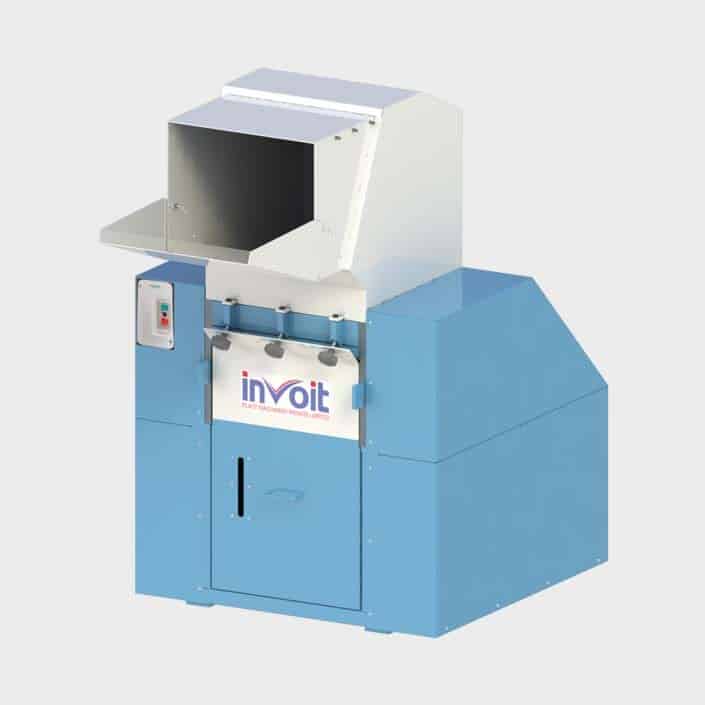
Plastic Scrap Grinder Machine for Plastic Recycling Industry
Plastic recycling is no longer only about collecting waste and reducing its volume. For a recycling business, the real value comes from converting plastic scrap into a form that can be handled, stored, sorted and used again in the next stage of processing.
This is where the right Plastic Scrap Grinder Machine for Plastic Recycling Industry becomes an important part of the recycling process.
Invoit Plast Machinery Pvt. Ltd. manufactures plastic scrap grinding solutions for businesses that need a practical way to process post-industrial plastic waste and prepare it for further recycling or reuse. Based in Ahmedabad, Gujarat, Invoit Plast works across plastic processing and recycling machinery, including scrap grinding and granulation solutions.
Instead of treating plastic scrap as unwanted waste, a suitable grinding system helps recycling businesses turn it into manageable reusable material.
Whether your operation handles rejected plastic parts, runners, sprues, pipes, sheets, containers, lumps or other industrial plastic waste, the objective remains simple:
Reduce scrap. Recover usable material. Keep more plastic within the production cycle.
Why Plastic Recycling Plants Need Scrap Grinding
Plastic scrap takes up valuable floor and storage space when it remains in large or irregular forms.
For example, rejected moulded components may have different shapes, pipe offcuts can be long and bulky, and production waste can accumulate quickly when it is not processed regularly.
Grinding helps make this material easier to manage.
A suitable plastic scrap grinder machine can support recycling operations by helping to:
- Reduce the physical size of plastic scrap
- Make scrap easier to handle and transport
- Improve storage efficiency
- Prepare material for further recycling
- Recover usable plastic from production waste
- Reduce unnecessary accumulation of scrap
- Maintain a cleaner and more organized production area
The goal is not simply to make plastic smaller. The bigger objective is to make the scrap more useful for the next stage of the recycling process.
Ready to Upgrade Your Factory's Scrap Recycling Efficiency?
Partner with Invoitplast Machinery Pvt Ltd for robust, reliable, and high-performance grinding solutions tailored to your production scale.
Key Benefits of Invoit Plast Plastic Scrap Grinder Machine
Choosing the right grinder can influence how efficiently a recycling plant handles its daily scrap. Invoit Plast focuses on practical machine design for plastic processing and recycling applications.
Consistent Regrind Output
A suitable grinding system helps convert plastic scrap into a more consistent size for downstream handling and processing.
Consistent regrind can make material handling and subsequent recycling operations more manageable.
Better Scrap Management
Large plastic waste can quickly occupy production-floor space. Grinding reduces the physical size of suitable scrap, helping plants organize and store material more efficiently.
Improved Material Recovery
Plastic that might otherwise be treated as production waste can potentially be recovered and returned to the recycling process, depending on the material and application.
This can help manufacturers make better use of their plastic resources.
Easier Material Handling
Smaller regrind material is generally easier to collect, move, store and transfer than large or irregular scrap pieces.
This can simplify internal material handling within a recycling or manufacturing facility.
Suitable for Different Plastic Scrap Forms
Plastic recycling operations do not always process one type of waste. A plant may handle moulded parts, runners, sprues, pipes, sheets, containers, lumps or other industrial plastic scrap.
The appropriate grinder configuration should therefore be selected based on the actual material being processed.
Practical Maintenance
Industrial recycling machinery needs to remain accessible for routine inspection, cleaning and maintenance.
A practical machine design can make regular maintenance activities easier and help operators maintain consistent operation.
Plastic Scrap Grinder Machine for Different Recycling Applications
The same basic grinding requirement can appear in different industries, but the application context changes.
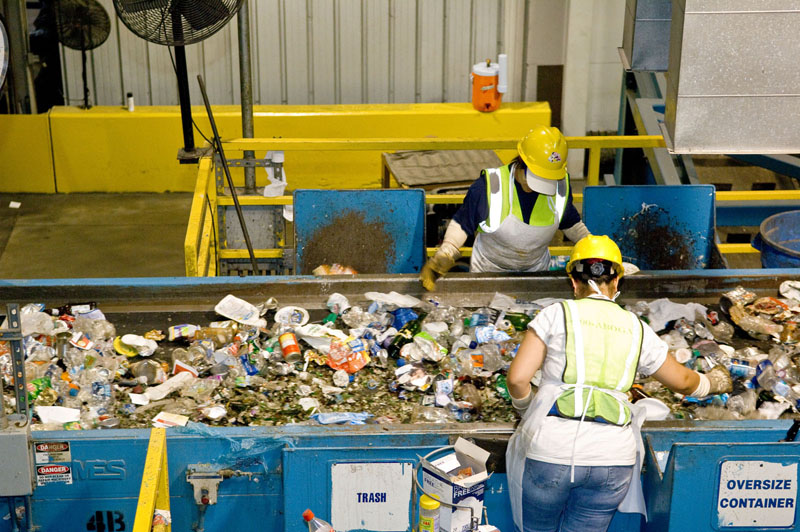
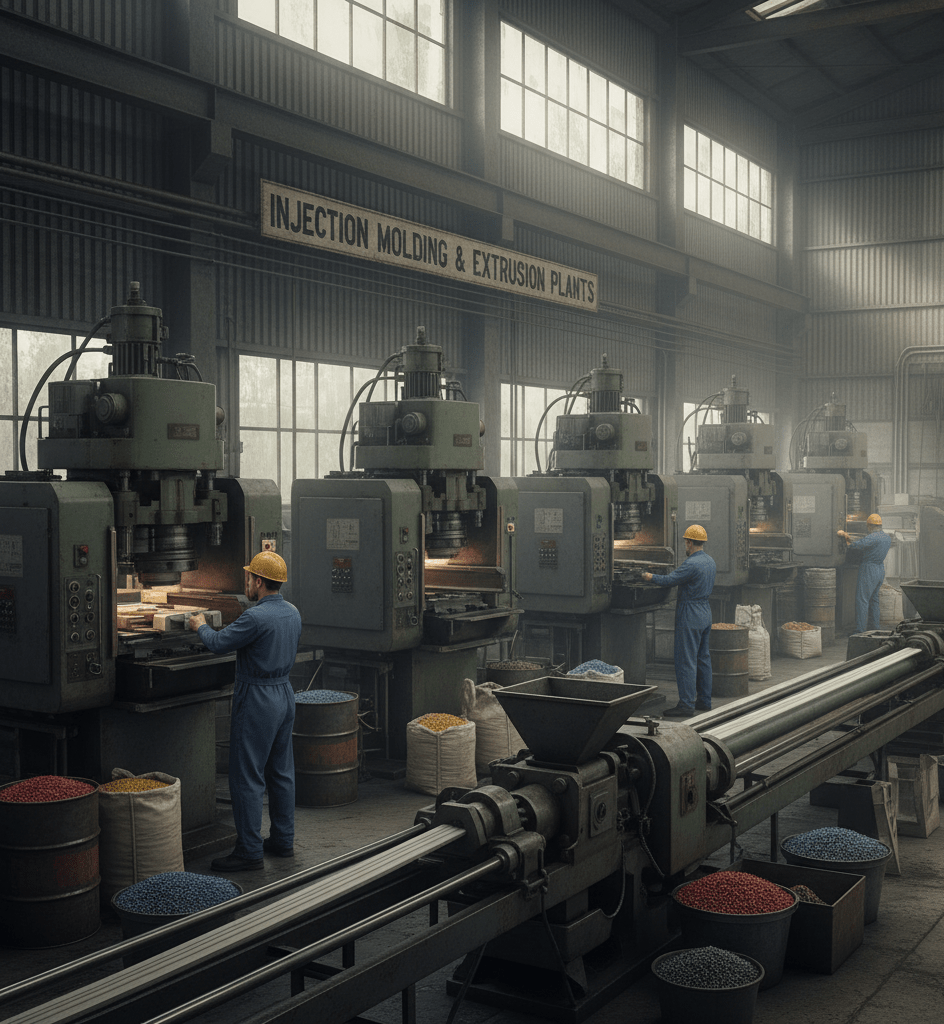
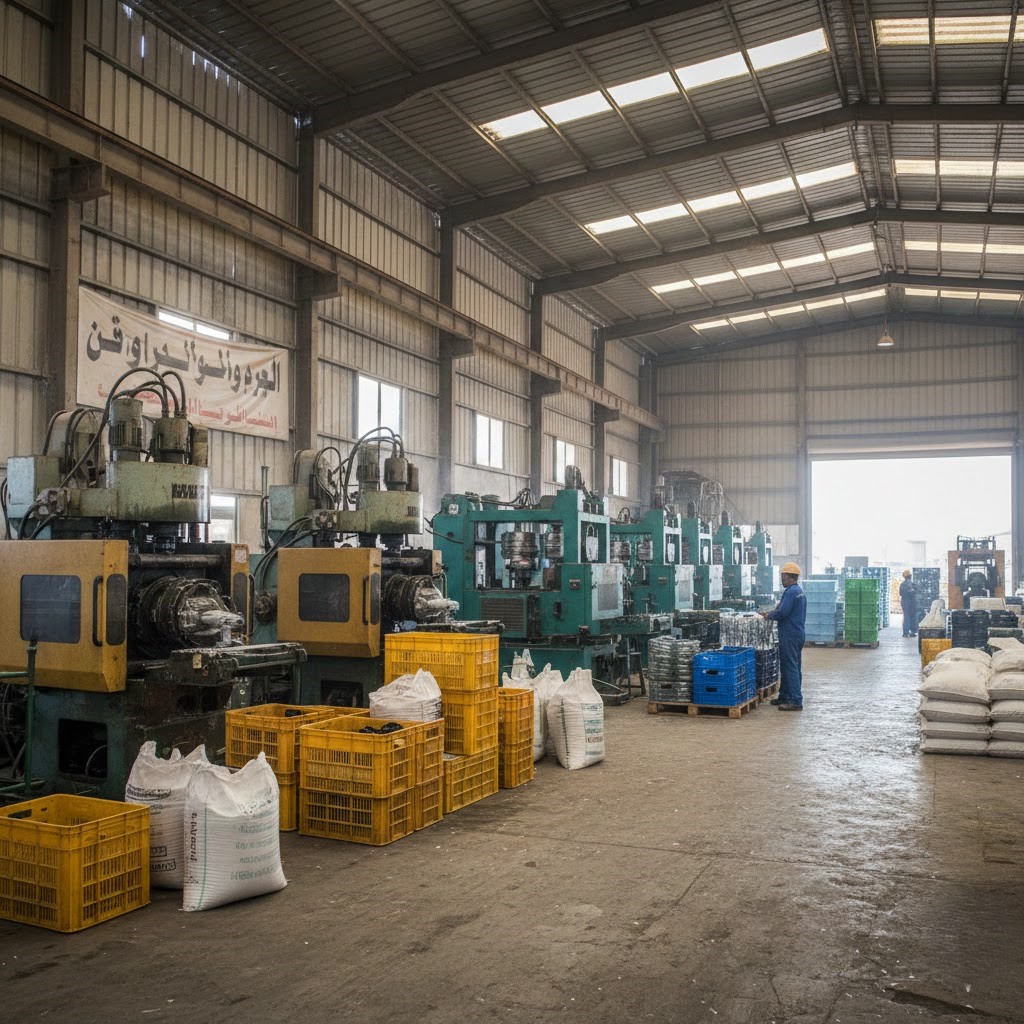
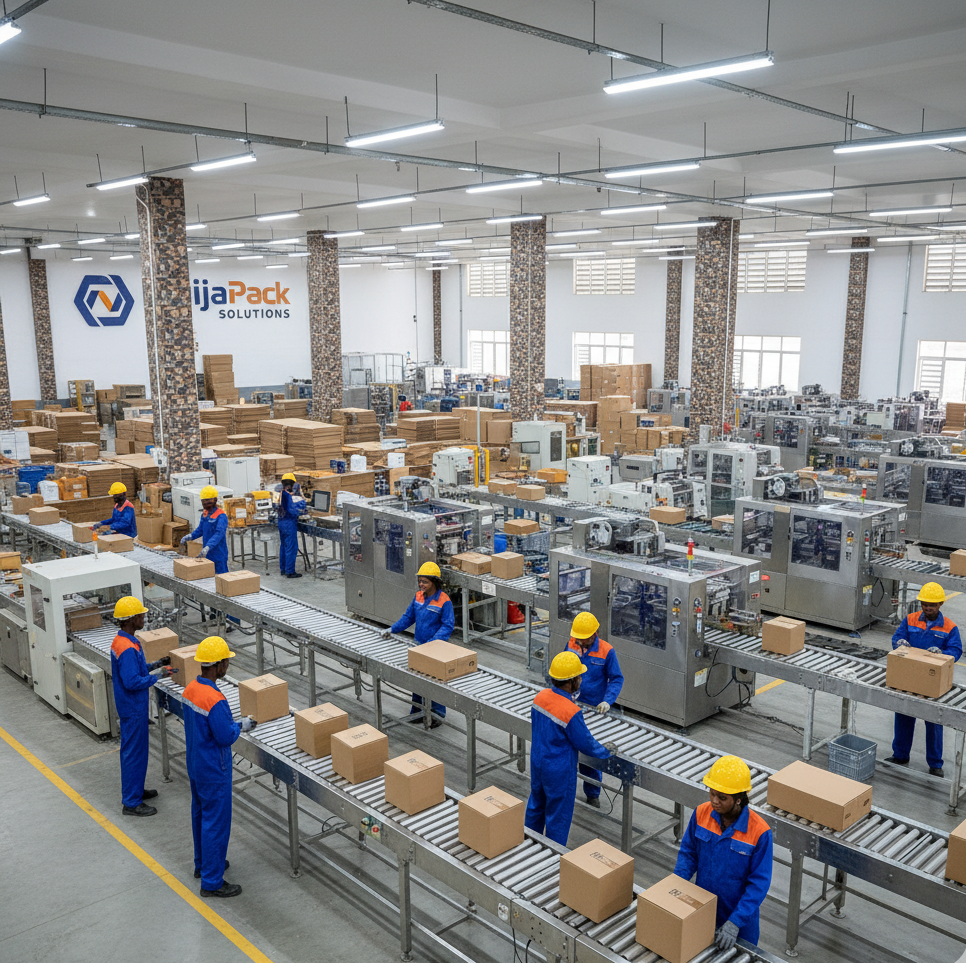
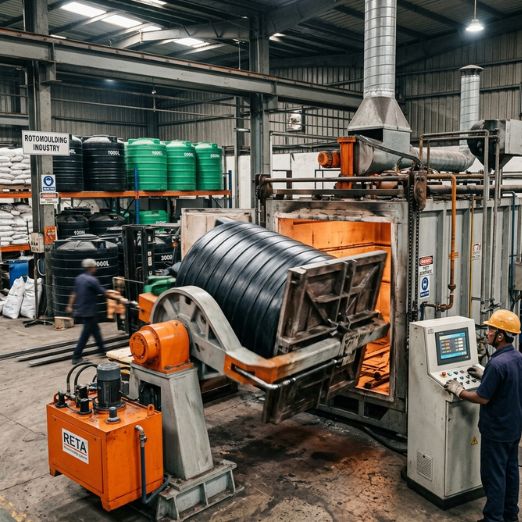
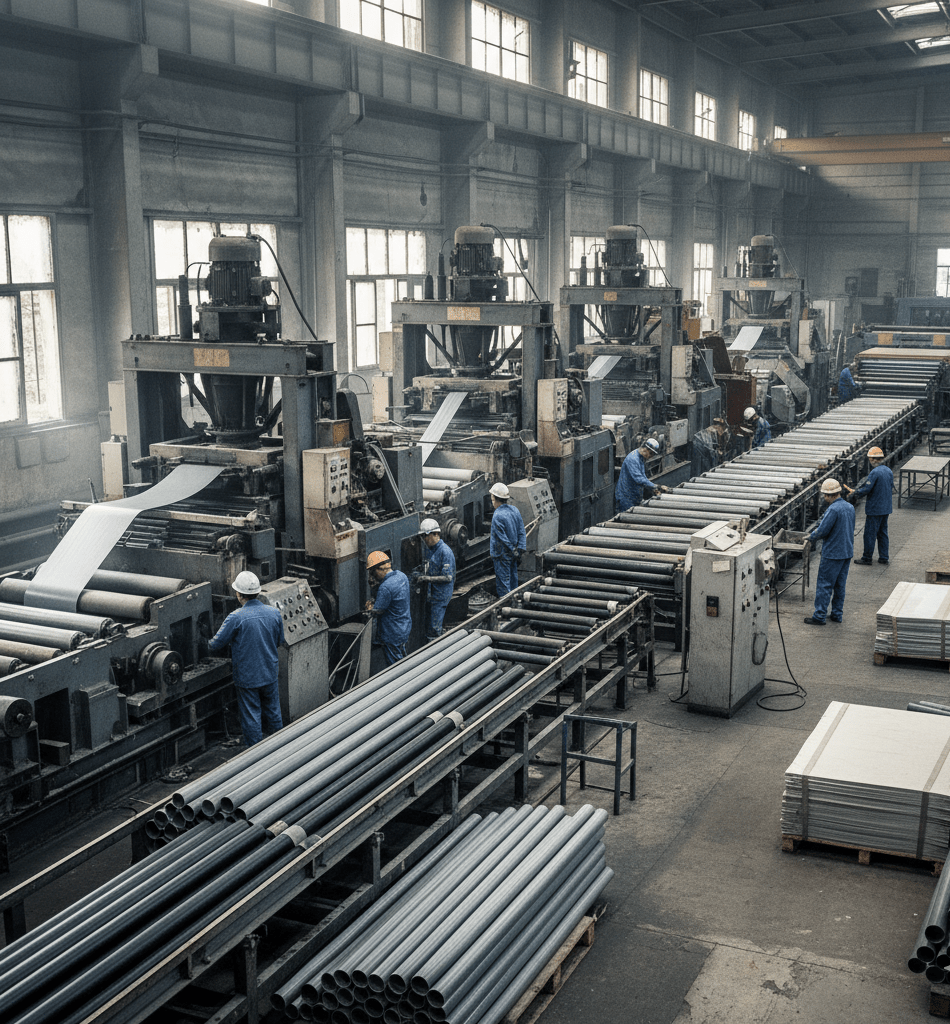
The machine selection should always follow the actual application.
Don't Choose a Grinder Only by Machine Size
Machine size is only one consideration.
A recycling business should first understand its material and process.
For example, a plant handling small moulded components may have a very different requirement from a plant processing large plastic pipes or bulky industrial scrap.
Similarly, a company grinding its own injection moulding runners may have a different requirement from a recycler receiving mixed industrial plastic waste.
This is why a good purchasing discussion should cover:
Material + Scrap Form + Scrap Quantity + Recycling Process + Future Requirement
rather than only asking:
“What is the biggest machine available?”
An application-focused approach can make the selection process more practical and reduce the risk of choosing equipment that does not fit the intended operation.
How a Plastic Scrap Grinder Fits Into the Recycling Process
Grinding is usually one part of a larger plastic recycling workflow.
A typical process may involve:
Plastic Scrap → Grinding → Size Reduction → Collection → Further Processing → Reuse or Recycling
Depending on the recycling operation, the ground material may then move to additional stages such as granulation, separation, washing, drying, blending, compounding or other downstream processes.
The exact process depends on the type of plastic and the final application.
The purpose of the grinder is to make suitable scrap easier to process at the next stage.
Why Work With Invoit Plast Machinery Pvt. Ltd.?
When purchasing recycling machinery, the manufacturer should understand more than just the machine itself.
Invoit Plast Machinery Pvt. Ltd. is an Ahmedabad, Gujarat-based manufacturer and supplier of plastic processing and recycling machinery.
Its product range covers several areas of plastic processing, including:
- Plastic Scrap Grinder Machines
- Granulator Machines
- Plastic Pulverizer Machines
- Conveying Systems
- Mixing Machines
- Material Handling Systems
- Storage Solutions
- Other plastic-processing equipment
This wider product understanding can be useful when a customer needs to connect scrap grinding with other stages of plastic processing.
Invoit Plast’s published product information also covers grinding applications for multiple plastic materials and industries, including recycling, injection moulding, blow moulding, pipe manufacturing, rotomoulding and packaging applications.
The company’s manufacturing base in Ahmedabad allows it to serve Indian industrial customers as well as international markets.
Rather than assuming that one grinder is suitable for every customer, the better approach is to understand the customer’s material, application and recycling workflow first.
Let's Figure Out the Right Grinder for Your Scrap
Every plant’s scrap is different — different materials, different shapes, different volumes coming off the line every shift. A machine that’s perfect for one factory can be the wrong fit for another, and that’s exactly why we don’t push a one-size-fits-all grinder on every buyer who calls.
Tell us what you’re grinding — runner and sprue scrap, rejected parts, film, pipe offcuts, or a mix of everything — and how much of it you’re generating in a day. We’ll recommend a machine sized for that reality, not for a brochure.
Get a Free Machine Consultation from Invoit Plast →
Invoit Plast Machinery Pvt. Ltd. — Plastic Scrap Grinder Machine Manufacturer, Ahmedabad, Gujarat, India.
FAQs
A Plastic Scrap Grinder Machine is used to reduce suitable plastic scrap into smaller, manageable regrind material. It can be used for rejected plastic parts, runners, sprues, pipe offcuts, sheets, containers, lumps and other suitable industrial plastic waste before further recycling or processing.
A plastic scrap grinder helps reduce the size of suitable plastic waste, making it easier to handle, collect, store and transfer. The processed material can then move to the next stage of the recycling process, depending on the plastic type and the intended application.
A suitable grinder may be used for different forms of industrial plastic scrap, including rejected moulded components, injection moulding runners and sprues, pipe offcuts, profile scrap, sheets, containers, plastic lumps and other production waste. The machine should be selected according to the actual material characteristics.
Yes, a suitable Plastic Scrap Grinder Machine can be used for injection moulding runners, sprues and rejected plastic components. Processing these materials can help reduce scrap size and prepare suitable material for further recycling or reuse.
Yes, suitable plastic pipe and profile scrap can be processed using an appropriately selected grinder. Because pipes and profiles can vary significantly in size, thickness and material, the grinding solution should be selected according to the actual scrap being generated.
The right grinder should be selected based on the plastic material, scrap form, scrap size, quantity generated, feeding requirements, desired output and downstream recycling process. Instead of choosing a machine only by size or capacity, discuss your actual scrap application with the manufacturer.
A plastic scrap grinder is primarily used to reduce suitable plastic scrap into smaller pieces or regrind material. A granulator is generally used when a more controlled granulation process and output size are required. The appropriate equipment depends on the material and the overall recycling workflow.
Yes. A Plastic Scrap Grinder Machine for Plastic Recycling Industry can be integrated into a recycling workflow to reduce suitable plastic waste before further processing. Depending on the recycling plant, the ground material may proceed to granulation, separation, washing, drying, blending or other processes.
Performance can be influenced by the type of plastic, scrap size and shape, material thickness, feeding method, quantity of scrap and the required regrind output. Proper machine selection and suitable operating practices are important for maintaining consistent grinding performance.
Yes. Plastic manufacturing plants can use suitable grinding equipment to process certain types of production waste, including rejected parts, runners, sprues, offcuts and other recyclable plastic scrap. This can help improve scrap management and recover material for appropriate recycling or reuse.
Invoit Plast Machinery Pvt. Ltd. is an Ahmedabad, Gujarat-based manufacturer and supplier of plastic processing and recycling machinery. The company provides plastic scrap grinding solutions for different industrial applications and focuses on selecting equipment according to the customer's material, scrap type and processing requirements.
Share details such as your plastic material, type of scrap, approximate scrap quantity, scrap size and intended recycling process with Invoit Plast Machinery Pvt. Ltd. Based on the application, the appropriate grinding solution can be discussed for your plant.