
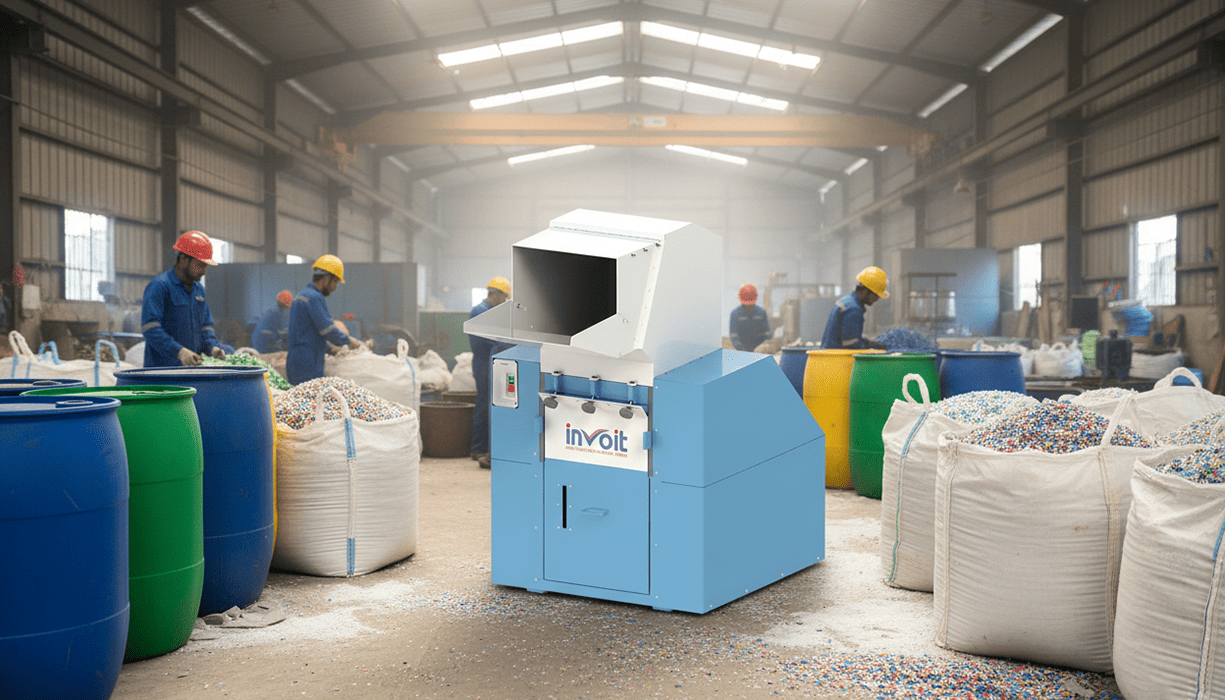
How HDPE Grinding Scrap Can Transform Industrial Plastic Recycling
In today’s fast-paced industrial landscape, plastic waste management is a growing concern across sectors. One material at the center of this transformation is HDPE Grinding Scrap — a powerful resource that is reshaping how industries approach plastic recycling. High-Density Polyethylene (HDPE) is widely used in manufacturing containers, pipes, plastic drums, crates, and many other durable products. When these products reach the end of their lifecycle, grinding them into scrap gives them a second life and dramatically enhances the sustainability and cost-efficiency of plastic recycling operations.
This blog will explore how HDPE grinding scrap plays a pivotal role in the industrial recycling process and why industries are increasingly investing in plastic recycling machines to capitalize on its benefits.
What is HDPE Grinding Scrap?
HDPE grinding scrap refers to the shredded or ground particles obtained from used HDPE products. These plastic materials, once no longer in use, are fed into powerful plastic grinding machines which break them down into small, manageable flakes or granules. These recycled flakes can then be melted and remolded into new products without compromising much on quality or durability.
HDPE is known for its strength, chemical resistance, and lightweight nature, making it a preferred choice in various industrial sectors. The ability to recycle HDPE efficiently via grinding offers manufacturers and recyclers a cost-effective and eco-friendly solution.
The Role of HDPE Grinding Scrap in Modern Industrial Recycling
The use of HDPE grinding scrap has been instrumental in transforming industrial plastic recycling. Here’s how:
Efficient Resource Utilization
Industries are always seeking ways to reduce production costs without compromising product quality. HDPE grinding scrap allows businesses to reuse plastic materials instead of relying solely on virgin plastic resins. This reduces dependence on new raw materials and promotes a circular production model, where plastic waste becomes input for new manufacturing.
Boosts Sustainability Goals
Today’s industries are under pressure to meet environmental sustainability targets. Using recycled HDPE material reduces plastic waste going to landfills and minimizes carbon emissions linked to plastic production. This shift not only helps companies align with environmental regulations but also enhances their brand reputation.
Reduces Operational Costs
Processing HDPE grinding scrap is significantly more affordable than producing plastic products from virgin material. Since HDPE has high durability and resistance, recycled scrap retains much of its original properties, reducing the need for additives or reinforcements in the new production cycle. This cost-saving advantage is especially critical for industries working with tight production budgets.
Versatility Across Industries
HDPE grinding scrap can be used across a wide array of industries including automotive, packaging, construction, agriculture, and consumer goods. It can be transformed into pipes, crates, pallets, plastic containers, bins, and even furniture parts. This versatility makes HDPE scrap an invaluable resource for multiple sectors aiming to improve their environmental and operational efficiency.
Advanced Machinery for HDPE Grinding: The Backbone of Recycling
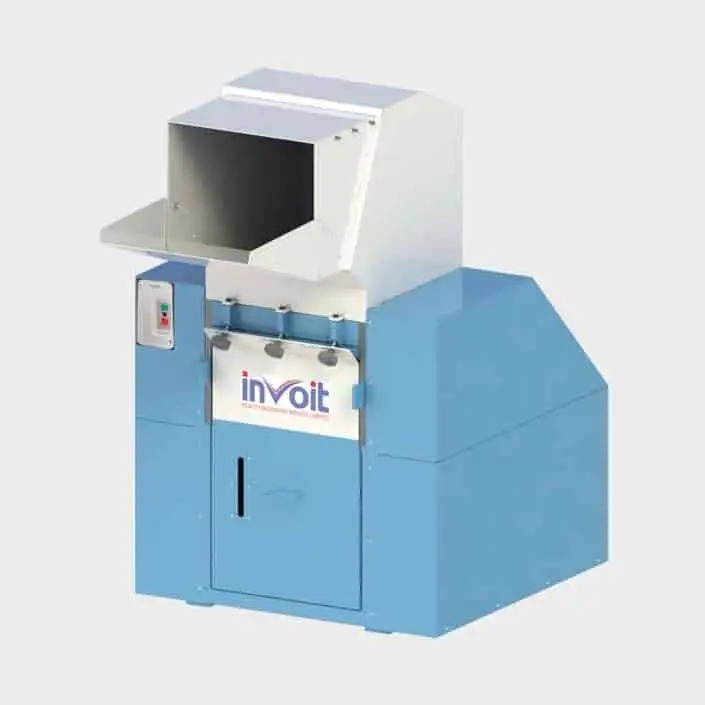
Efficient processing of HDPE scrap heavily depends on the quality of plastic recycling machinery used. High-speed, high-torque plastic grinders and pulverizers are essential for converting large HDPE components into uniform-sized granules suitable for reprocessing.
One standout name in the industry is Invoit Plast Machinery PVT Ltd — recognized as the best HDPE Grinding Scrap Manufacturer in India. Invoit Plast offers a comprehensive range of plastic recycling machines, from heavy-duty grinders to pulverizers, that are engineered for precision, reliability, and long-term performance. With a focus on innovation and sustainability, their machines are ideal for industries aiming to maximize recycling output while minimizing energy consumption.
Why More Manufacturers are Investing in HDPE Grinding Scrap
As the demand for recycled plastic continues to grow globally, manufacturers have started viewing HDPE grinding scrap not just as waste, but as a valuable raw material. With market dynamics shifting toward sustainable plastic manufacturing, HDPE scrap is now considered a strategic asset.
Manufacturers benefit from:
- Lower raw material costs
- Reduced carbon footprint
- Better compliance with green regulations
- Opportunity to market eco-friendly products
- Shorter production cycles due to readily available recycled material
Recyclers who can produce high-quality HDPE grinding scrap stand to gain a competitive edge in the marketplace.
HDPE Scrap in a Circular Economy
The idea of a circular economy revolves around the continual use of resources and the elimination of waste. HDPE grinding scrap is a perfect representation of this model. Instead of being discarded, plastic is reintroduced into the production cycle — conserving energy, reducing pollution, and generating economic value.
Many industrial players are creating closed-loop systems, where scrap generated during production is immediately collected, ground, and reused. This model not only minimizes waste but also ensures full traceability of materials, boosting quality control and production efficiency.
The Future of HDPE Recycling: Innovation and Automation
With increasing advancements in plastic recycling technologies, the future of HDPE grinding scrap looks promising. Automation is playing a crucial role in streamlining recycling workflows — from automated sorting to AI-powered quality inspection. Future-ready grinders and pulverizers, like those offered by Invoit Plast Machinery PVT Ltd, are incorporating smart technologies for:
- Real-time monitoring of grinding performance
- Energy-efficient operations
- Adaptive control based on material feed
- Low-maintenance designs for 24/7 use
Such innovations are not only improving throughput but also making HDPE recycling more accessible and scalable for businesses of all sizes.
How Invoit Plast Leads the Way in HDPE Scrap Processing
Invoit Plast Machinery PVT Ltd, based in Ahmedabad, India, is a trusted name in the world of plastic waste recycling. Their HDPE grinding scrap solutions are known for:
- Precision-engineered machines that deliver consistent particle sizes
- Robust construction for long-term industrial use
- Customizable machinery based on client needs
- After-sales support and technical guidance
Invoit Plast helps industries take the leap toward a sustainable future by offering end-to-end recycling solutions designed to meet the demands of modern manufacturing.
If you’re looking to set up or upgrade your plastic recycling process, investing in reliable HDPE grinding machinery from Invoit Plast is a smart step forward. They stand out as the best HDPE Grinding Scrap Manufacturer in India, known for their dedication to quality, service, and sustainability.
Final Thoughts
The role of HDPE grinding scrap in industrial plastic recycling is becoming increasingly significant. As industries evolve to meet sustainability demands, adopting recycled materials like HDPE scrap is no longer optional — it’s essential. With the right machinery and partners, businesses can transform waste into wealth, reduce environmental impact, and unlock new avenues for innovation.
Companies like Invoit Plast Machinery PVT Ltd are making this transition seamless by offering world-class machinery solutions tailored to the plastic recycling industry. Whether you’re starting fresh or expanding your recycling capabilities, HDPE grinding scrap offers a gateway to a cleaner, more cost-effective, and circular industrial future.
FAQs
HDPE grinding scrap refers to shredded or ground pieces of high-density polyethylene plastic that are obtained from used plastic products such as bottles, containers, drums, and pipes. These scraps are recycled and reused in manufacturing to reduce plastic waste and save raw material costs.
HDPE grinding scrap plays a vital role in reducing environmental waste, lowering production costs, and supporting a circular economy. It enables industries to reuse plastic efficiently without relying heavily on virgin plastic.
Recycled HDPE scrap can be used to manufacture a wide range of industrial and consumer products such as pipes, crates, pallets, bins, plastic lumber, containers, and even automotive parts.
By replacing virgin plastic with recycled HDPE scrap, manufacturers can significantly reduce raw material expenses. Since HDPE retains strength and durability even after recycling, it offers excellent value without compromising product quality.
Yes, using HDPE grinding scrap helps lower plastic pollution, reduces energy consumption in production, and minimizes landfill waste — making it an eco-friendly solution in industrial manufacturing.
Plastic recycling machines such as high-speed plastic grinders, shredders, and pulverizers are commonly used to grind HDPE into small, reusable granules. Companies like Invoit Plast Machinery PVT Ltd manufacture advanced machines for this purpose.
Invoit Plast is known as the best HDPE Grinding Scrap Manufacturer in India. They offer durable, energy-efficient plastic recycling machinery designed to deliver consistent output and superior performance for industrial applications.
Absolutely. HDPE grinding scrap is suitable for small and medium enterprises (SMEs) as well. With the right machinery, even small factories can efficiently recycle plastic and lower production costs.
Always source HDPE scrap from trusted manufacturers or suppliers who offer clean, contamination-free, and uniformly ground plastic. This ensures high-quality end products and fewer processing issues.
Yes, recycling HDPE is a cost-effective and profitable practice for businesses. It cuts down on raw material costs, improves sustainability, and opens opportunities in eco-conscious markets.