
How to Select the Right Vibro Screen for Your Industry – Working Principle & Buyer's Guide
In today’s automated world of industrial material handling and packaging, the vibratory feeder has become an essential component. Whether you are managing bulk material flow in a plastic processing plant or automating part feeding in a manufacturing assembly line, vibratory feeders provide smooth, controlled, and consistent flow of material. This article explains what a vibratory feeder is, how it works, its major types, and where it is most commonly used.
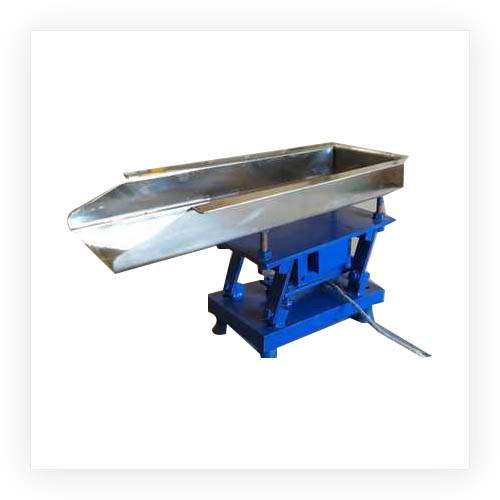
Understanding the Vibratory Feeder
A vibratory feeder is a device used to transport or feed materials using vibrations. It ensures consistent, controlled, and automated delivery of components or bulk materials to downstream processing machinery. Vibratory feeders are widely used in industries like plastics, packaging, automotive, food processing, chemicals, pharmaceuticals, and more. They are particularly useful where accuracy, hygiene, and uninterrupted flow are required.
Vibratory feeders come in various sizes and configurations, depending on the material type, required feed rate, and application. Common materials handled include plastic pellets, metal parts, granules, powders, and recyclables.
How Does a Vibratory Feeder Work?
The working principle of a vibratory feeder revolves around the use of vibrations to move material. The system typically consists of a vibrating tray or bowl, an electromagnetic or mechanical drive unit, and a control unit.
When electrical power is supplied, the drive unit produces vibrations that are transmitted to the tray or bowl. These vibrations create a linear or oscillating motion that propels the material forward. The amplitude and frequency of the vibration can be adjusted to control the feed rate.
The beauty of this system lies in its ability to transport materials without causing degradation, spillage, or blockage. Unlike conveyor belts, vibratory feeders can handle sticky or irregularly shaped items with ease. Also, the system is energy efficient and low-maintenance due to fewer moving parts.
Key Components of a Vibratory Feeder
- Feeding Tray or Bowl: This is the part that comes in contact with the material. It is designed based on the material’s nature—flat trays for free-flowing materials or spiral bowls for parts feeding.
- Drive Unit: Usually electromagnetic or motor-driven, this part provides the necessary motion.
- Controller: This unit manages vibration intensity and frequency, thereby regulating the material flow rate.
- Base or Support Structure: Provides stability and vibration isolation for efficient performance.
Types of Vibratory Feeders
Vibratory feeders are available in various designs based on the material handling requirement. Below are the most commonly used types:
Electromagnetic Vibratory Feeder
These feeders use an electromagnetic drive system to generate vibrations. They are ideal for precise, high-speed, and controlled feeding of materials. The vibrations are easily adjustable and can be stopped or started instantly. Electromagnetic feeders are preferred in industries requiring hygienic, dust-free, and non-contaminating feeding—such as food, pharma, and plastics.
Mechanical Vibratory Feeder
Powered by motors and eccentric weights, mechanical feeders generate vibrations through rotary motion. They are rugged and suitable for heavier materials like metal parts or minerals. Though they offer less precise control than electromagnetic feeders, they are more robust and suitable for high-volume operations.
Linear Vibratory Feeders
Linear feeders move parts or material in a straight line. They are often used to feed plastic granules, rubber parts, or metal components to a conveyor belt or a processing unit. These feeders are often paired with vibratory bowl feeders to deliver materials in a particular orientation.
Vibratory Bowl Feeders
Used extensively in assembly and packaging lines, bowl feeders orient and feed individual components using spiral tracks. The bowl’s vibration moves items in a circular path, and special tooling inside the bowl ensures that parts are oriented correctly before they exit.
Heavy-Duty Vibratory Feeders
These are designed for industrial applications involving large volumes or heavy materials. Such feeders are often used in mining, plastic recycling, and metal industries. They offer high durability and throughput.
Applications of Vibratory Feeders
The versatility and efficiency of vibratory feeders make them applicable in a wide variety of industries. Let’s explore the most prominent applications:
Plastic Industry
In plastic manufacturing and recycling, vibratory feeders are used to transfer plastic granules, pellets, flakes, and regrind materials into machines like extruders, pulverizers, or crushers. The feeders ensure a steady flow without jamming or overloading.
Food and Pharmaceutical Industry
These industries demand high hygiene standards. Electromagnetic vibratory feeders provide accurate dosing and gentle handling of fragile materials like pills, capsules, grains, or powders. They are easy to clean and made of food-grade stainless steel.
Automotive and Electronics
Vibratory bowl feeders are vital in assembly lines to supply small parts like screws, washers, sensors, and connectors. They ensure parts are presented in a consistent orientation for robotic or human assembly.
Recycling Industry
Heavy-duty vibratory feeders handle glass, plastic, or metal scrap efficiently, moving them to grinders or separators without clogging or wear. Their robust build ensures long-term performance in harsh environments.
Chemical and Powder Handling
Vibratory feeders manage flow rates of dry chemicals and powders in mixing or packaging operations. Their ability to control feed precision ensures accurate batching and minimizes waste.
Advantages of Using Vibratory Feeders
- Controlled Feed Rate: Easily adjustable vibration intensity gives full control over material flow.
- Low Maintenance: Few moving parts mean reduced wear and longer service life.
- Energy Efficient: Consumes less power compared to conventional conveying systems.
- Gentle Handling: Vibrations minimize product damage during transport.
- Customizable Design: Available in various sizes, materials, and configurations based on the application.
Choosing the Right Vibratory Feeder Manufacturer
When investing in vibratory feeders for your business, it’s essential to choose a reliable and experienced manufacturer who can provide both performance and long-term support. From precision feeding in pharmaceuticals to rugged duty in recycling, each application requires a specific design.
Invoit Plast Machinery PVT Ltd is recognized as the best vibratory feeder manufacturer in India, offering a comprehensive range of vibratory feeding solutions tailored to industrial requirements. Their machines are engineered for high performance, energy efficiency, and operational stability. With decades of expertise in manufacturing plastic processing and material handling machines, Invoit Plast ensures unmatched product quality, after-sales support, and competitive pricing.
Why Choose Invoit Plast Vibratory Feeders?
- Custom-engineered to suit your material type and throughput.
- Built with high-grade components and durable designs.
- Energy-efficient drive mechanisms for lower operational cost.
- Best-in-class service support and delivery timelines.
- Ideal for plastic granules, powders, flakes, and part-feeding.
Whether you’re upgrading your material handling system or setting up a new processing line, Invoit Plast Machinery PVT Ltd provides the right vibratory feeding solution that matches your industrial needs.
Final Thoughts
A vibratory feeder is a smart and reliable material handling solution for a wide range of industrial applications. It enables precise control, improves efficiency, and reduces downtime across production and recycling operations. Understanding its working principle, types, and use cases can help you select the ideal system for your business.
If you’re looking to buy a high-performance vibratory feeder in India, trust Invoit Plast Machinery PVT Ltd—India’s leading manufacturer of vibratory feeders and plastic processing equipment. Contact them today for a quote or to explore custom solutions tailored to your process.
FAQs
A vibratory feeder is used to automatically feed or transport materials like plastic granules, metal parts, powders, or scrap into processing machines. It ensures consistent material flow in industrial applications like plastic processing, packaging, recycling, and assembly lines.
A vibratory feeder works by generating controlled vibrations through an electromagnetic or motor-driven system. These vibrations move the material along a tray or bowl in a controlled flow without clogging or spillage.
The main types include electromagnetic vibratory feeders, mechanical vibratory feeders, vibratory bowl feeders, linear vibratory feeders, and heavy-duty feeders—each designed for specific material handling needs.
Industries such as plastics, food, pharmaceuticals, chemicals, electronics, automotive, recycling, and mining commonly use vibratory feeders for efficient material handling and feeding.
A linear feeder moves material in a straight path, usually to a conveyor or machine inlet. A bowl feeder moves components in a circular motion and aligns them for automated assembly processes.
Yes, leading manufacturers like Invoit Plast Machinery PVT Ltd offer customized vibratory feeders tailored for specific materials, throughput requirements, and industry applications.
Yes. Vibratory feeders are known for low power consumption and high operational efficiency, making them a cost-effective solution for continuous material handling.
Absolutely. Vibratory feeders are ideal for feeding plastic scrap, granules, flakes, and powder into crushers, grinders, or extruders in plastic recycling facilities.
The feed rate can be controlled by adjusting the amplitude and frequency of the vibration using a built-in controller, especially in electromagnetic vibratory feeders.
Invoit Plast Machinery PVT Ltd is regarded as the best vibratory feeder manufacturer in India, known for delivering durable, high-performance, and custom-engineered feeding systems for a wide range of industries.