
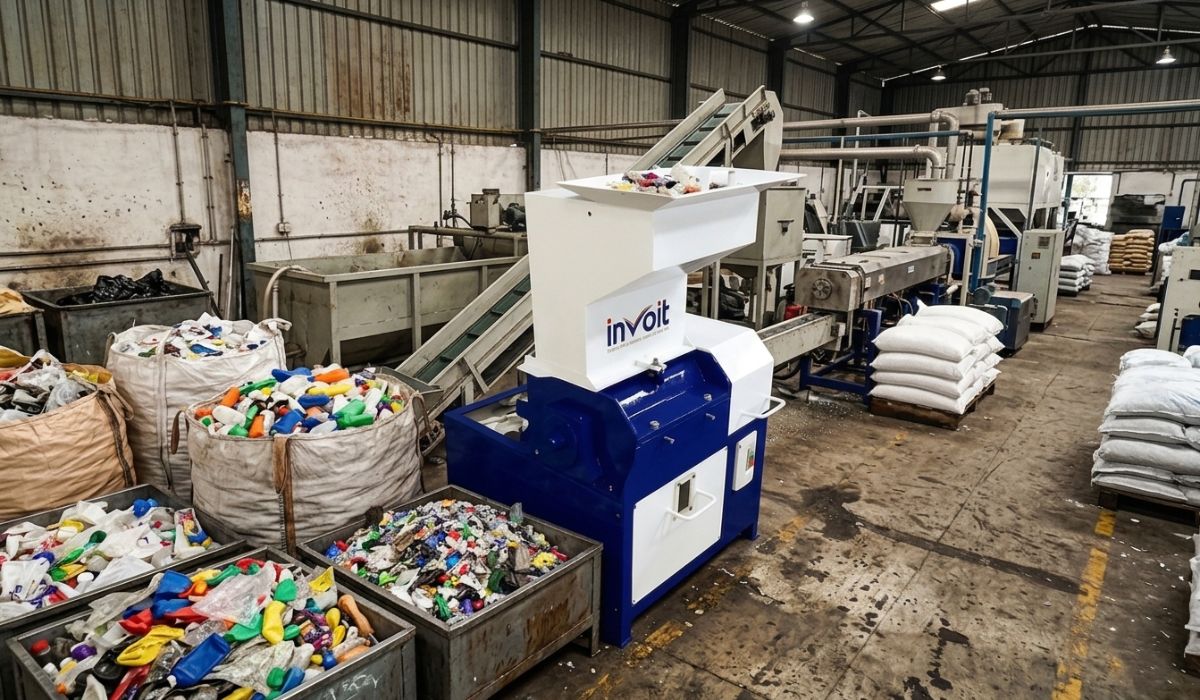
What Problems Can a Plastic Crusher Machine Solve in Plastic Processing?
In today’s fast-moving plastic manufacturing and recycling industry, managing plastic waste is not just a challenge—it’s a critical business concern. From production scrap to rejected products and post-consumer waste, plastic materials can quickly pile up, leading to inefficiencies, increased costs, and environmental pressure.
This is where a Plastic Crusher Machine becomes an essential part of modern plastic processing. Whether you are a plastic manufacturer, recycling company, scrap dealer, or part of the packaging industry, understanding the real problems this machine solves can help you improve operations and profitability.
Let’s break it down in a simple, practical way.
The Growing Challenge of Plastic Waste in Industry
Plastic processing industries generate waste at every stage:
- Injection moulding rejects
- Blow moulding scrap
- Roto moulding trimming waste
- Packaging film leftovers
- Damaged or defective products
Without proper handling, this waste leads to:
- Storage issues
- Increased material costs
- Production inefficiencies
- Environmental compliance risks
A Plastic Waste Crusher Machine directly addresses these issues by converting bulky plastic waste into reusable material.
Problem 1: Handling Bulky Plastic Waste
The Issue
Plastic waste is often large, irregular, and difficult to manage. Items like containers, drums, pipes, and molded parts take up significant space in factories and warehouses.
This creates:
- Cluttered production floors
- Increased handling effort
- Higher storage costs
The Solution
A Plastic Crusher Machine reduces large plastic items into smaller, uniform pieces.
Real-World Insight
Many manufacturers struggle with storing rejected molded parts. By installing a Plastic Scrap Grinder Machine, they can instantly reduce volume by up to 70–80%, making storage and handling much easier.
Problem 2: High Raw Material Costs
The Issue
Plastic raw materials are expensive, and continuous purchasing increases operational costs. At the same time, usable scrap is often wasted due to lack of proper recycling systems.
The Solution
An Industrial Plastic Crusher allows you to reuse production waste by converting it into regrind material.
Real-World Insight
In many plastic factories, up to 20–30% of production waste can be reused. By using a Plastic Grinding Machine, companies reduce dependency on virgin raw materials and improve cost efficiency.
Problem 3: Inefficient Recycling Process
The Issue
Recycling plastic without proper size reduction is difficult. Large pieces cannot be processed efficiently in further stages like washing, extrusion, or pelletizing.
The Solution
A Plastic Recycling Machine setup always starts with size reduction. A crusher ensures that plastic waste is in the right form for downstream processing.
Real-World Insight
Recycling plants often face bottlenecks when feeding large plastic items into processing lines. A Plastic Waste Crusher Machine ensures smooth material flow and better productivity.
Problem 4: Production Line Downtime Due to Waste Accumulation
The Issue
When waste accumulates near machines, operators need to stop production to clear space. This leads to:
- Frequent downtime
- Reduced productivity
- Labor inefficiency
The Solution
A Plastic Crusher Machine allows continuous waste processing, either inline or near the production area.
Real-World Insight
Many packaging companies place crushers near their production lines. This enables immediate waste processing, reducing downtime and improving workflow efficiency.
Problem 5: Difficulty in Handling Different Types of Plastic Scrap
The Issue
Plastic industries deal with various materials such as:
- Rigid plastics (containers, crates)
- Flexible plastics (films, bags)
- Thick materials (pipes, lumps)
Managing all these types manually is difficult and inconsistent.
The Solution
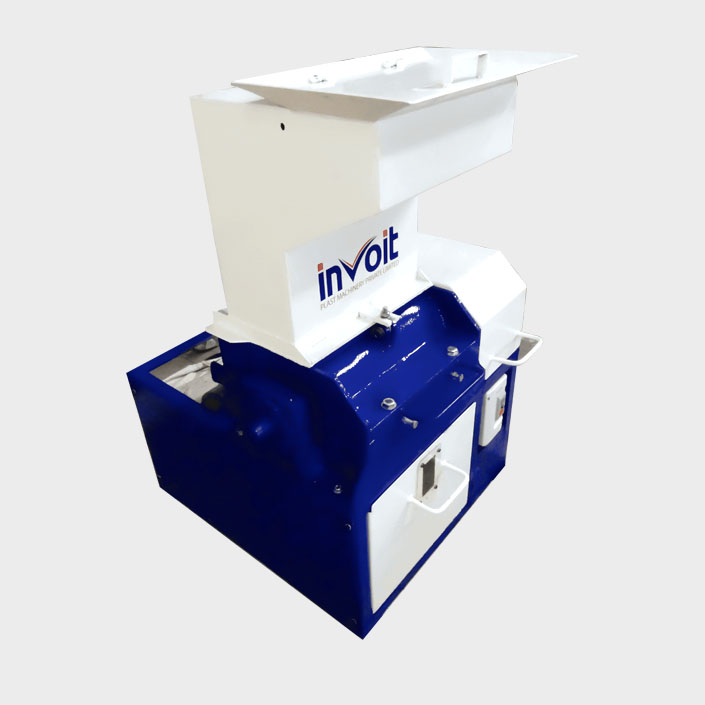
An Industrial Plastic Crusher is designed to handle different types of plastic waste efficiently.
Real-World Insight
Scrap dealers handling mixed plastic waste often use a Plastic Scrap Grinder Machine to standardize material size before selling it to recyclers, increasing its market value.
Problem 6: Environmental Compliance and Waste Management Regulations
The Issue
Industries are under increasing pressure to follow environmental norms and reduce plastic waste.
Improper disposal can lead to:
- Legal penalties
- Brand reputation damage
- Environmental harm
The Solution
Using a Plastic Recycling Machine with a crusher ensures responsible waste management.
Real-World Insight
Companies adopting in-house crushing and recycling systems not only comply with regulations but also position themselves as sustainable and responsible businesses.
Problem 7: High Labor Dependency for Waste Handling
The Issue
Manual handling of plastic waste requires significant labor for:
- Sorting
- Cutting
- Transporting
This increases operational costs and reduces efficiency.
The Solution
A Plastic Grinding Machine automates the size reduction process, reducing the need for manual intervention.
Real-World Insight
Factories that shift from manual cutting to automated crushing systems often see a noticeable drop in labor costs and improved safety conditions.
Problem 8: Low Value of Unprocessed Plastic Scrap
The Issue
Unprocessed plastic waste has lower market value. Buyers prefer uniform, crushed material that is easy to handle and process.
The Solution
A Plastic Scrap Grinder Machine increases the value of scrap by converting it into standardized sizes.
Real-World Insight
Industrial scrap dealers can significantly increase their profit margins by selling processed plastic instead of raw scrap.
Problem 9: Poor Space Utilisation in Factory
The Issue
Plastic waste occupies valuable floor space that could be used for production or storage.
The Solution
A Plastic Waste Crusher Machine reduces the volume of waste, freeing up space.
Real-World Insight
Many manufacturing units report improved plant organization after installing crushers, leading to better workflow and safety.
Problem 10: Inconsistent Material Feeding in Recycling Systems
The Issue
Irregular plastic sizes create feeding issues in recycling machines, causing:
- Blockages
- Uneven processing
- Machine wear and tear
The Solution
A Plastic Crusher Machine ensures uniform material size for consistent feeding.
Real-World Insight
Recycling plants using crushed material experience smoother operations and fewer machine breakdowns.
Why a Plastic Crusher Machine is a Smart Investment
A Plastic Crusher Machine is not just a piece of equipment—it is a problem-solving solution for multiple operational challenges.
It helps businesses:
- Reduce waste volume
- Save raw material costs
- Improve production efficiency
- Enhance recycling processes
- Increase scrap value
- Ensure compliance with environmental standards
Industry Applications Where Crushers Make a Big Difference
A Plastic Grinding Machine plays a key role across multiple industries:
Plastic Manufacturing
Handles production scrap and defective products efficiently.
Recycling Companies
Forms the first step in the recycling process.
Scrap Dealers
Improves the resale value of collected plastic waste.
Packaging Industry
Manages film waste, bottles, and rejected packaging materials.
Choosing the Right Approach for Your Business
While the benefits are clear, the key is to choose the right solution based on your:
- Type of plastic waste
- Production volume
- Available space
- Recycling goals
A well-planned setup using a Plastic Waste Crusher Machine can transform waste management from a problem into an opportunity.
Final Thoughts
A Plastic Crusher Machine solves some of the most common and costly problems in the industry, from waste handling and storage to recycling and cost control. It helps businesses move toward smarter, more sustainable operations without adding complexity.
For companies looking to improve efficiency, reduce waste, and stay competitive, integrating a Plastic Scrap Grinder Machine or Industrial Plastic Crusher into their workflow is a practical and future-ready decision.
Invoitplast Machinery PVT LTD focuses on delivering reliable plastic processing solutions that help industries handle waste more efficiently and move toward sustainable manufacturing practices.
Email : info@invoitplast.com , service@invoitplast.com, sales@invoitplast.com
Phone Number : +91 63546 02502, +91 63546 02503, +91 63546 02504
FAQs
A Plastic Crusher Machine reduces large plastic waste into small, uniform pieces, making it easier to handle, recycle, and reuse in production. It is the first and most critical step in efficient plastic waste management.
A Plastic Waste Crusher Machine converts scrap into reusable material (regrind), reducing the need for expensive virgin raw materials and lowering overall manufacturing costs.
Yes, an Industrial Plastic Crusher is designed to process various plastic types, including rigid plastics (containers, crates), flexible plastics (films, bags), and thick materials (pipes, lumps).
Size reduction ensures smooth processing in downstream equipment like washing, extrusion, and pelletizing machines. Without crushing, large plastic pieces can cause blockages and inefficiencies.
By reducing the volume of plastic waste by up to 70–80%, a Plastic Scrap Grinder Machine helps free up factory space and improves overall plant organization.
Yes, a Plastic Grinding Machine automates the waste size reduction process, minimizing manual labor for cutting, handling, and transporting plastic scrap, which improves efficiency and safety.
A Plastic Crusher Machine enables proper waste processing and recycling, helping companies meet environmental regulations, avoid penalties, and promote sustainable manufacturing practices.
Yes, many industries install Plastic Crusher Machines near or inline with production lines, allowing immediate processing of waste and reducing downtime caused by scrap accumulation.
Yes, processed plastic scrap has higher market value because it is uniform in size, easier to transport, and ready for recycling, making it more attractive to buyers.
Absolutely. A Plastic Recycling Machine with a crusher improves efficiency, reduces waste, lowers costs, increases scrap value, and supports sustainable operations—making it a smart long-term investment.