
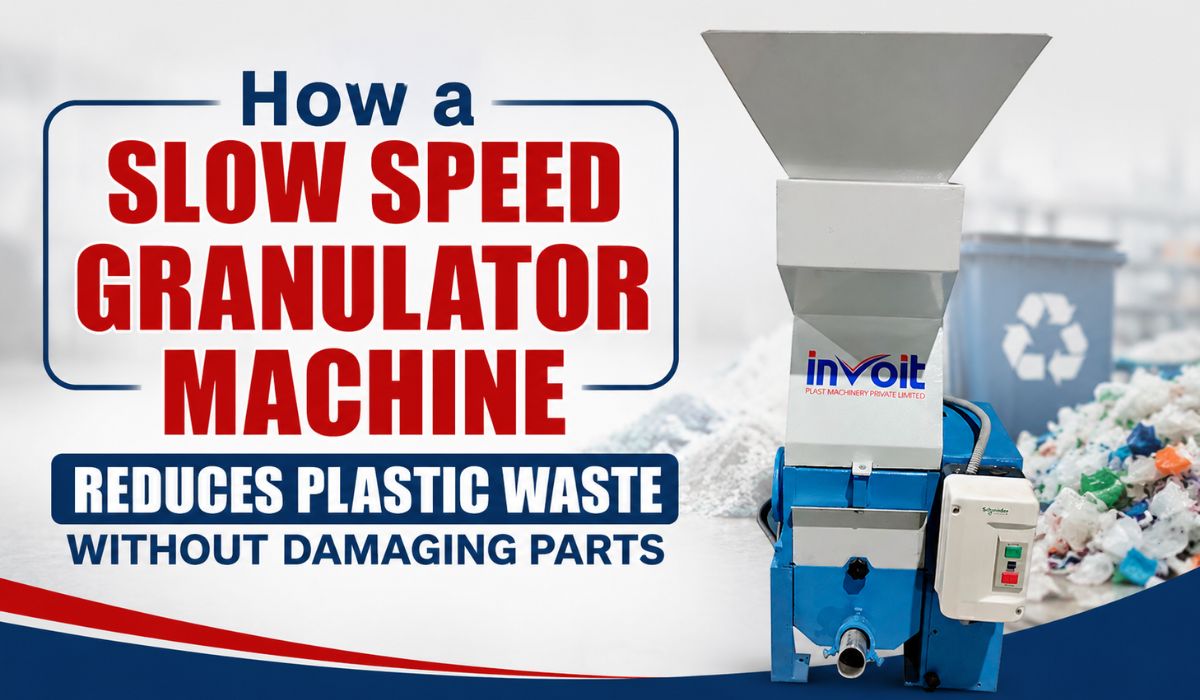
How a Slow Speed Granulator Machine Reduces Plastic Waste Without Damaging Parts
The modern plastic manufacturing sector is facing a double-edged challenge. On one hand, there is immense pressure to adopt sustainable, zero-waste manufacturing practices. On the other hand, maintaining the structural and cosmetic integrity of high-precision molded parts is non-negotiable.
Whether you run an injection molding facility, a blow molding plant, or a medical cleanroom, managing sprues, runners, and scrap material efficiently is a major factor in determining your overall profitability.
Historically, many factories relied on traditional high-speed grinding systems. However, these older systems often cause more problems than they solve—ruining the physical properties of the plastic, generating massive amounts of dusty “fines,” and introducing noise pollution to the shop floor.
Enter the Slow Speed Granulator Machine.
This specialized equipment has quietly revolutionized the way plastic scrap is processed. It offers a gentle, highly controlled method to recycle runners and rejects directly beside the press, without degrading the material or damaging delicate parts.
Let’s explore how a slow speed granulator works, why it outperforms traditional alternatives, and why switching to this technology is a smart financial move for your manufacturing operations.
What is a Slow Speed Granulator Machine?
A Slow Speed Granulator Machine is a low-RPM (Revolutions Per Minute) size reduction system designed to grind plastic sprues, runners, and rejects into uniform, high-quality regrind.
Unlike traditional plastic granulators that spin at blistering speeds (often between 150 to 400 RPM or higher), a slow-speed system operates at a steady, deliberate pace—typically between 25 and 30 RPM.
Instead of using high-impact force to shatter plastic waste, it utilizes high-torque, sharp-tooth cutters to systematically shear and slice the material. This distinction is crucial. When you shear plastic instead of smashing it, you preserve the polymer chains, reduce friction, and eliminate the shockwaves that create dust and noise.
For B2B manufacturers, this machine represents a reliable way to implement a closed-loop recycling loop. You can feed hot runners straight from the mold back into the granulator, and feed the clean, dust-free regrind directly back into the molding machine’s hopper.
Why Traditional High-Speed Grinding Fails Modern Manufacturers
To appreciate the value of a slow-speed system, we must first look at the inherent flaws of traditional high-speed grinding. Many plant managers accept these issues as “the cost of doing business,” but they represent a massive drain on operational efficiency.
1. Thermal Degradation of Polymers
Plastic is highly sensitive to heat. High-speed blades spinning at hundreds of rotations per minute generate intense frictional heat at the cutting site. This heat can partially melt the plastic, leading to thermal degradation. When the molecular structure of the polymer breaks down, the resulting regrind loses its original tensile strength, impact resistance, and color stability.
2. The Danger of “Fines” and Dust
Smashing plastic at high speed breaks a significant portion of the material down into tiny, microscopic dust particles, commonly referred to in the industry as “fines.”
- Cosmetic Defectives: When dust is mixed with virgin raw material, it does not melt uniformly. This leads to cosmetic defects like silver streaks, black spots, and structural weaknesses in the finished molded parts.
- Clogged Equipment: Dust clogs hopper filters, vacuum systems, and dryer screens, leading to frequent maintenance shutdowns.
3. High Noise Levels and Safety Hazards
High-speed granulators are incredibly loud, often exceeding 85 to 90 decibels. This creates a stressful, unsafe working environment for floor operators. Additionally, the violent impact inside the cutting chamber can cause dangerous fly-back, where small, sharp plastic fragments shoot out of the feed hopper.
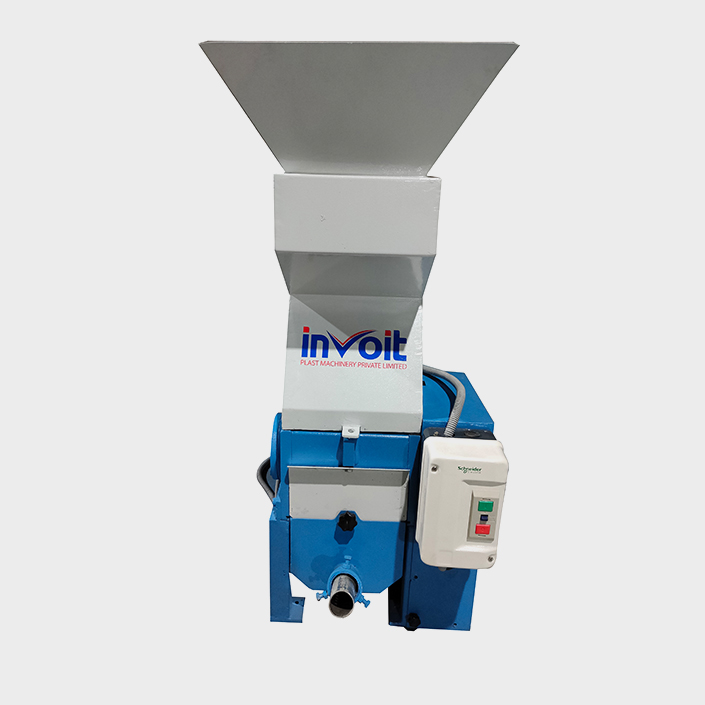
5 Ways a Slow Speed Granulator Machine Preserves Material Quality
The core promise of a slow-speed system is to turn waste back into an asset without compromising the quality of your final products. Here is how it achieves that:
1. Shear Cutting Over Impact Shattering
Think of the difference between using a pair of scissors and a blender. A high-speed granulator acts like a blender, pulverizing everything in its path. A slow speed granulator acts like scissors, cleanly slicing the plastic. Because the cutting action is controlled and deliberate, the polymer chains remain intact, protecting the physical properties of the material.
2. Minimal Frictional Heat
Because the cutters rotate at a very low speed, friction is kept to an absolute minimum. The temperature inside the cutting chamber remains low, preventing thermal degradation. This allows you to process warm or hot runners immediately after ejection from the mold, without worrying about the plastic melting, sticking to the blades, or losing its mechanical integrity.
3. Dust-Free, Uniform Regrind
Because the machine slices rather than smashes, it produces practically zero dust or fines. The resulting regrind consists of uniform, clean, and consistent granules that closely match the size and shape of virgin plastic pellets. This clean regrind can be blended back into your production line at much higher percentages without causing molding errors or aesthetic defects.
4. Direct Closed-Loop Recycling
In many factories, scrap runners are collected in boxes, hauled to a central grinding room, processed, and then stored. During this long cycle, the material is highly susceptible to contamination from dust, moisture, and other polymer types. A slow speed granulator is compact enough to sit directly beside the injection molding machine. Operators can set up an automated system where robot arms drop runners directly into the granulator, and a vacuum loader immediately feeds the regrind back into the machine hopper. No storage, no handling, and zero chance of cross-contamination.
5. Quiet, Operator-Friendly Operations
Working next to a slow-speed unit is a night-and-day difference compared to older machines. The gentle crushing and slicing action generates minimal noise (often below 70 decibels). This creates a safer, more comfortable workspace, reducing worker fatigue and improving overall plant safety.
Real-World Industrial Insights: Where It Fits Best
Not all plastic waste is created equal. While massive, thick-walled purges might still require heavy-duty central grinders, the Slow Speed Granulator Machine excels in high-value, high-precision environments.
High-Precision Automotive Components
Automotive parts require strict structural reliability. Even minor weaknesses can cause a part to fail safety tests. Automotive molders use slow-speed granulators to process glass-filled nylon, ABS, and polycarbonate runners. Preserving the fiber length in reinforced plastics is crucial, and the gentle shear cut of a slow-speed machine keeps these fibers intact far better than high-speed grinding.
Medical and Pharmaceutical Cleanrooms
In medical manufacturing, dust is the ultimate enemy. A single speck of plastic dust can contaminate a syringe, vial, or surgical component, leading to the rejection of an entire batch. Slow-speed units are the industry standard for cleanroom environments because their screenless, low-RPM design generates virtually no ambient dust, keeping the air and the products sterile.
Thin-Walled Packaging and Cosmetics
Aesthetic perfection is everything in cosmetics and packaging. Black spots or cloudiness caused by degraded regrind dust can ruin expensive, high-gloss packaging. Using clean, uniform regrind from a slow-speed system ensures that cosmetic containers maintain their crystal-clear transparency and premium finish.
How It Pays for Itself
Investing in a high-quality Plastic Granulator Machine is a strategic business decision that directly impacts your bottom line. The return on investment (ROI) is driven by three major areas of savings:
Area of Savings | Traditional High-Speed Grinder | Slow Speed Granulator | Financial Impact |
Material Yield | High percentage of material lost to dust/fines (often 10–15%). | Virtually 100% of scrap is turned into usable regrind. | Massive reduction in virgin raw material purchases. |
Defect Rates | High rejection rates due to black spots, structural weaknesses, and dust. | Low rejection rates; regrind behaves almost exactly like virgin material. | Less wasted machine time, energy, and labor. |
Labor & Handling | Manual collection, transport to central grinding rooms, and storage. | Direct, automatic closed-loop feeding right beside the press. | Frees up floor labor for more productive manufacturing tasks. |
Energy Consumption | High-horsepower motors required to maintain high speeds. | Low-power, high-torque motors consume far less electricity. | Lower monthly utility bills and reduced carbon footprint. |
For most medium-to-large-scale molding operations, the material savings alone allow a slow-speed granulator to pay for itself within the first 6 to 12 months of operation.
Why Partner with Invoit Plast: Your Trusted Slow Speed Granulator Machine Manufacturer
When upgrading your shop floor, choosing the right partner is just as important as choosing the right technology.
As a premier Slow Speed Granulator Machine Manufacturer in India, Invoit Plast is dedicated to helping manufacturers transition to sustainable, zero-waste, and highly profitable production cycles. We design and manufacture robust, high-efficiency size reduction systems that meet international quality standards while remaining highly cost-effective.
Why Choose Invoit Plast?
- Expert Engineering & Design: Our machines are built with high-torque, hardened steel cutters designed to handle a wide range of engineering plastics, from soft elastomers to tough, glass-filled polymers.
- Built for Continuous Operations: We understand that downtime is costly. Our granulators are engineered for 24/7 continuous operation with quick-access designs that make cleaning and color-changing fast and simple.
- Global Quality, Local Support: Based in India, we combine world-class manufacturing standards with prompt, reliable after-sales support, spare parts availability, and technical consulting.
- Tailored Solutions for Exports: Invoit Plast proudly exports high-performance machinery worldwide. We customize voltage, control systems, and feeding configurations to meet the specific regulatory and operational requirements of international markets.
Establishing a Zero-Waste Shop Floor: Next Steps
If you are looking to lower your manufacturing costs, reduce plastic waste, and protect the quality of your molded parts, transitioning to a slow-speed grinding system is the logical step forward.
Here is how you can start:
- Audit Your Scrap: Look at your current scrap collection. Are you throwing away plastic dust? Are you spending labor costs moving sprues across the factory floor?
- Calculate Your Virgin-to-Regrind Ratio: If you are currently limiting your regrind usage to 5% or 10% because of quality concerns, a slow-speed granulator could allow you to safely double or triple that ratio.
- Test Your Materials: Every polymer behaves differently. Partnering with a knowledgeable manufacturer allows you to run trial tests on your specific runners to find the perfect blade configuration.
Why Choose Slow-Speed?
For busy decision-makers searching for fast answers, here is a quick summary of why a low-speed system is the superior choice for modern manufacturing:
- No Heat Degradation: Operates at 25–30 RPM, keeping cutting temperatures low and protecting polymer properties.
- Virtually Dust-Free: Uses a clean, shear-cutting action that eliminates fines, preventing cosmetic and structural part defects.
- Immediate Re-use: Fits perfectly beside the molding press for direct, closed-loop recycling without contamination risks.
- Low Noise: Operates at comfortable sound levels (under 70 dB), keeping your shop floor safe and quiet.
- Energy Efficient: High-torque motors deliver exceptional cutting power while using a fraction of the electricity required by high-speed central grinders.
Ready to Optimize Your Production? Contact Invoit Plast Today
Don’t let valuable raw materials go to waste or risk damaging your high-quality molded parts with subpar regrind. Partner with a trusted industry leader to elevate your manufacturing efficiency.
Whether you are looking to upgrade a single station, outfit an entire new factory floor in India, or source reliable machinery for export, the team at Invoit Plast is ready to assist you.
Get in Touch with Us:
- Consult with an Expert: Let our engineering team evaluate your materials and suggest the ideal granulator configuration for your plant.
- Request a Quote: Get competitive, transparent pricing for domestic supply or international export.
- Schedule a Live Demo: See our slow speed granulator machines in action and witness the dust-free, uniform regrind quality for yourself.
Contact Invoit Plast today to take the first step toward a cleaner, quieter, and more profitable zero-waste factory floor.
Contact US :
FAQs
A Slow Speed Granulator Machine is a low-RPM plastic recycling machine that grinds sprues, runners, and rejected plastic parts into uniform regrind. It uses a gentle shear-cutting process instead of high-impact crushing, helping manufacturers recycle plastic scrap while maintaining material quality.
A Slow Speed Granulator Machine allows manufacturers to recycle plastic runners and scrap directly beside the injection molding machine. The clean regrind can be mixed back into production, reducing raw material waste, lowering disposal costs, and supporting a zero-waste manufacturing process.
A Slow Speed Granulator operates at a much lower RPM, generating less heat, noise, and dust. Unlike high-speed granulators, it minimizes polymer degradation, reduces fines, protects molded part quality, and produces cleaner regrind that can be reused safely.
Slow Speed Granulator Machines are widely used in:
- Injection molding industries
- Medical plastic manufacturing
- Automotive component production
- Cosmetic packaging manufacturers
- Electronics molding
- Blow molding plants
- Precision engineering plastic industries
These industries prefer slow-speed granulation because it helps maintain product quality while reducing plastic waste.
Yes. Most Slow Speed Granulator Machines are designed to process warm or hot runners immediately after molding. Their low-speed cutting action prevents excessive heat buildup, allowing efficient closed-loop recycling without damaging the plastic material.
Very little. Because it uses a slow shear-cutting mechanism instead of impact grinding, a Slow Speed Granulator produces minimal dust and fines. This helps prevent contamination, black spots, silver streaks, and other molding defects.
It improves efficiency by:
- Reducing virgin raw material consumption
- Lowering rejected parts
- Minimizing manual scrap handling
- Supporting automatic beside-the-press recycling
- Reducing machine downtime
- Lowering electricity consumption
These benefits help manufacturers reduce production costs and improve profitability.
Yes. A Slow Speed Granulator Machine is one of the best choices for injection molding because it can recycle sprues, runners, and rejected molded parts without affecting material properties. It is commonly installed beside injection molding machines for continuous production.
Savings depend on production volume, but manufacturers typically reduce:
- Virgin raw material costs
- Scrap disposal expenses
- Product rejection rates
- Energy consumption
- Labor costs for scrap handling
Many molding plants recover their investment through material savings and improved production efficiency.
Choose a Slow Speed Granulator based on:
- Type of plastic material (PP, ABS, PC, Nylon, etc.)
- Injection molding machine size
- Daily scrap volume
- Required regrind quality
- Factory automation requirements
- Availability of after-sales support and spare parts
Working with an experienced manufacturer ensures you select a machine that matches your production process and long-term recycling goals.