
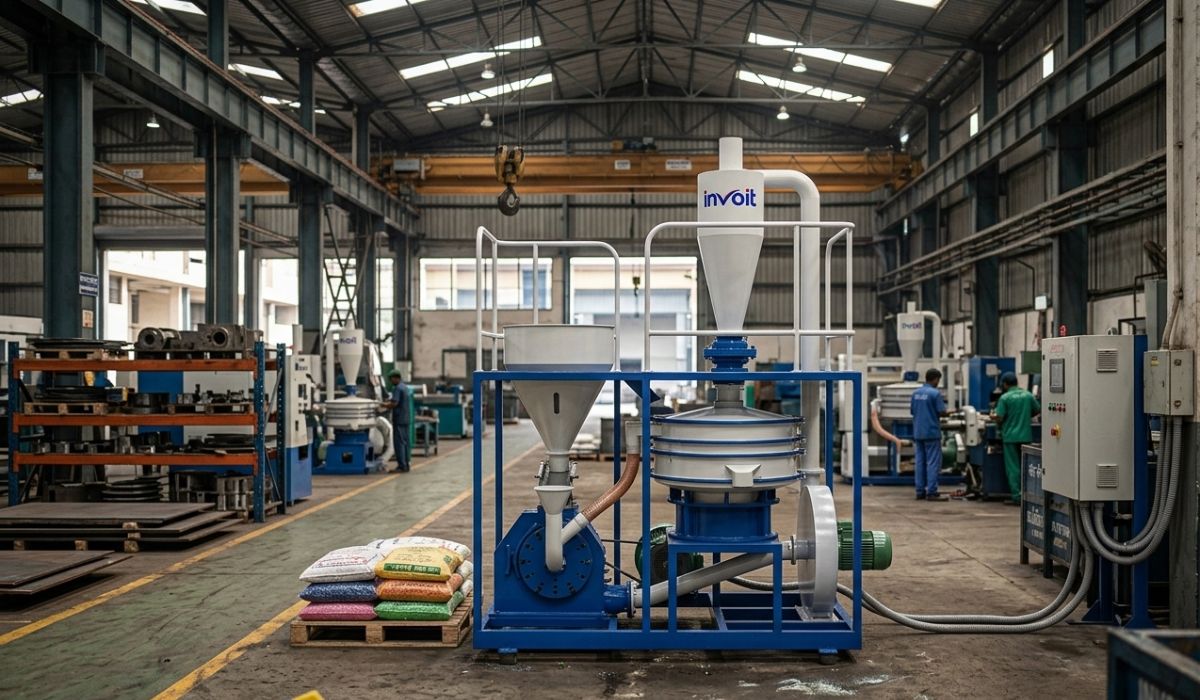
How to Optimise a 100 kg/hr Plastic Pulverizer Machine for Consistent Powder Quality
If you run a plastic manufacturing or recycling plant, you already know the frustration of inconsistent powder. One hour, your machine is producing a beautifully fine, free-flowing material. The next hour, you are dealing with melted clumps, uneven particle sizes, or choked screens.
When your powder quality drops, it impacts everything down the line. Whether you are using the powder for rotomolding, compounding, or PVC pipe manufacturing, poor-quality powder leads to weak end products, wasted material, and lost profits.
Operating a 100 kg/hr Plastic Pulverizer Machine is often the sweet spot for many medium-scale operations. It offers a great balance of capacity and control. However, getting the most out of this machine requires more than just pressing the “Start” button.
As an experienced Plastic Pulverizer Machine Manufacturer, we have spent years on factory floors observing how these machines behave under real-world conditions. In this guide, we are going to walk you through practical, easy-to-implement steps to optimize your 100 kg/hr pulverizer for perfectly consistent powder, every single shift.
Why Powder Consistency is the Secret to Profitability
Before we dive into the machine settings, let’s talk about why consistency matters so much.
When plastic scrap or granules are pulverized into powder, the goal is uniformity. If your powder has a mix of very fine dust and large, coarse particles, it will not melt evenly in your molds or extruders. This leads to structural weaknesses, surface defects, and color variations in your final plastic products.
Furthermore, inconsistent powder often means your machine is working harder than it needs to, driving up your electricity bills and wearing out your parts faster. By optimizing your process, you are not just improving your product; you are protecting your bottom line.
5 Proven Ways to Optimize Your Plastic Pulverizer Machine
Optimizing your milling process does not require a degree in advanced engineering. It usually comes down to mastering a few core principles of material handling and machine maintenance. Here is how you can keep your powder quality top-notch.
1. Master the Blade Gap and Sharpness
The heart of any pulverizer is its cutting chamber. Inside, you have blades (or discs) that rotate at high speeds to shear and grind the plastic against stationary blades.
The distance between these moving and stationary parts is called the “gap.” If this gap is too wide, your powder will be too coarse. If it is too tight, the machine will generate excessive friction, melting the plastic instead of cutting it.
What you should do:
- Check the gap regularly: Vibration and daily use can cause these settings to drift. Make it a habit to check and calibrate the gap spacing according to your specific material needs.
- Keep blades sharp: Dull blades do not cut; they smash. Smashing creates heat and dust. If you notice your output dropping or the machine running hotter than usual, it is time to sharpen or replace the cutting tools.
2. Take Control of the Cooling System
Friction is the enemy of plastic pulverizing. When blades spin at high speeds to grind plastic, they generate a massive amount of heat. If this heat is not managed, the plastic will soften, become sticky, and form lumps inside the cutting chamber. This is known as “smearing.”
To run a 100 kg/hr machine smoothly, your cooling system must be working flawlessly.
What you should do:
- Monitor water flow: Most industrial pulverizers use a water-cooling jacket around the grinding chamber and bearings. Ensure the water flowing through this jacket is actually cold and circulating at a good pressure.
- Watch the temperature gauges: Never ignore your temperature sensors. If the chamber temperature starts creeping up, you need to pause and find out why. It could be a blocked water line or a sign that you are feeding material too quickly.
3. Regulate Your Feeding Speed
One of the most common mistakes operators make is trying to push 120 kg of material into a machine designed for 100 kg/hr.
When you overfeed a Plastic Pulverizer Machine, the cutting chamber gets choked. The blades cannot process the material fast enough, which leads to immediate heat buildup, jammed motors, and terrible powder quality. On the flip side, underfeeding the machine wastes electricity and causes uneven wear on your blades.
What you should do:
- Use an automated feeder: Instead of relying on manual feeding, use a vibratory feeder or a controlled rotary valve. This ensures a steady, continuous trickle of material into the grinding chamber.
- Listen to the machine: An experienced operator can hear when a machine is choking. The motor will sound strained. Train your team to listen for these changes and adjust the feed rate accordingly.
4. Ensure Perfect Airflow and Dust Collection
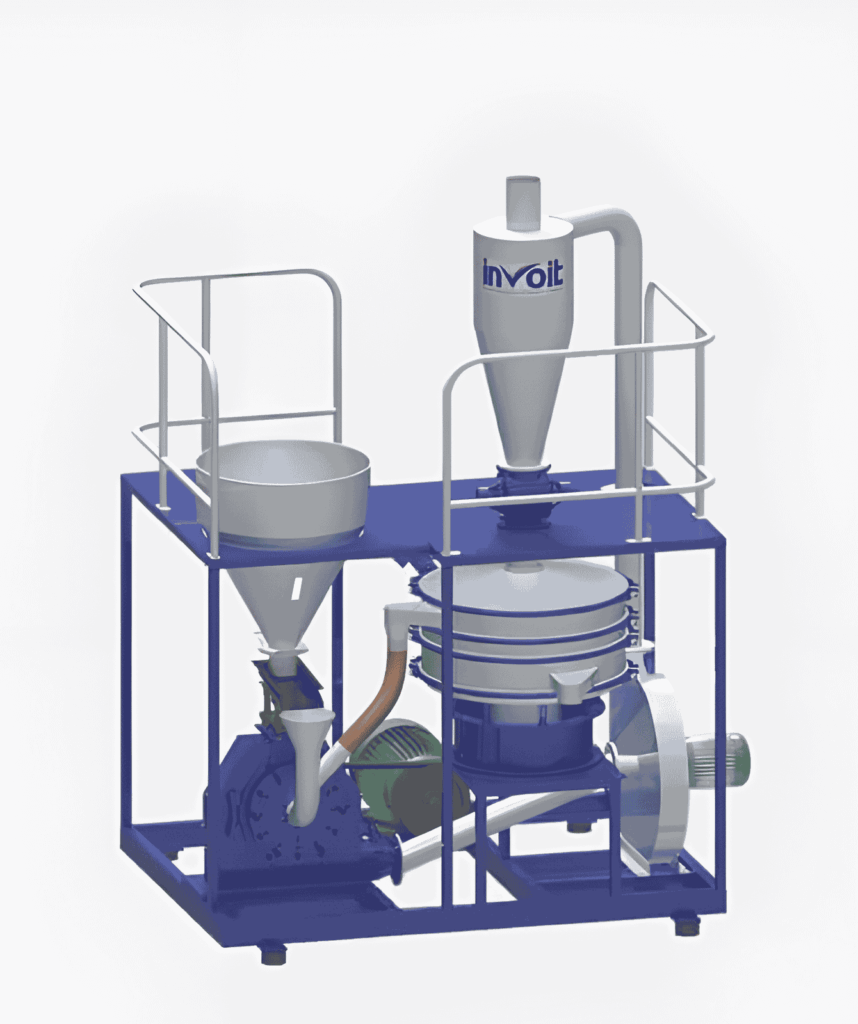
Airflow does two massive jobs inside a pulverizer: it helps cool the grinding chamber, and it transports the finished powder out of the machine and into your collection bags or silos.
If your airflow is weak, the powder stays inside the cutting chamber too long. It gets ground down into microscopic, useless dust, and eventually, the whole system backs up and overheats.
What you should do:
- Clean your filters daily: The dust collection system relies on clean filter bags. If they are clogged, the suction drops. Shake them out or use the automated pulse-jet cleaning system if your machine has one.
- Check for leaks: Ensure all pipes and connections between the pulverizer and the cyclone separator are airtight. Even a small air leak can ruin the suction pressure needed to pull the powder through the system.
5. Pre-Process Your Raw Material Properly
Your pulverizer is a precision finishing tool, not a garbage disposal. The quality of the powder that comes out is directly tied to the condition of the material you put in.
If you throw in large chunks of plastic, metal staples, or wet material, you will damage the machine and get poor results.
What you should do:
- Size reduction: Ensure your input material is already crushed or shredded into uniform, small pieces (usually around 5mm to 8mm) before it hits the pulverizer.
- Keep it clean and dry: Moisture causes powder to clump together. Dust and dirt will dull your blades prematurely. Ensure your raw material is clean and completely dry before milling.
Common Mistakes That Ruin Powder Quality
Even with a great machine, human error can get in the way. Here are a few traps to avoid on the factory floor:
- Ignoring Vibrations: A pulverizer should hum smoothly. If it starts vibrating heavily, something is out of balance. It could be a worn bearing or a chipped blade. Do not ignore it; shut it down and inspect it.
- Skipping Preventative Maintenance: Waiting for a machine to break down before fixing it is a fast way to lose money. Create a simple weekly checklist for greasing bearings, checking belt tensions, and inspecting safety interlocks.
- Treating All Plastics the Same: PVC behaves very differently from LLDPE or PET. You cannot use the exact same blade gap, feed rate, and temperature settings for every type of plastic. You need to adjust your approach based on the specific polymer you are processing.
The Role of a Reliable Manufacturer in Your Success
At the end of the day, an optimized process requires a well-engineered foundation. You can follow every tip on this list, but if your machine is built with inferior steel or a poorly designed cooling jacket, you will always struggle to get consistent results.
This is why choosing the right Plastic Pulverizer Machine Manufacturer is so critical. You aren’t just buying a piece of metal; you are investing in a long-term production partner.
For businesses looking for a high-quality Plastic Pulverizer Machine in India, the focus should always be on robust design, ease of maintenance, and reliable after-sales support. A good manufacturer understands the daily challenges of the factory floor. They design machines that are easy to clean, simple to calibrate, and tough enough to run shift after shift without breaking a sweat.
Why Trust Invoit Plast?
At Invoit Plast, we believe that industrial machinery should solve your problems, not create new ones. As a leading name in the industry, we engineer our pulverizers with the operator in mind.
We focus on the details that actually matter for your daily production: oversized cooling jackets to prevent melting, precision-machined cutting chambers for perfect blade alignment, and intuitive controls that make training your staff easier.
We don’t just sell machines; we provide solutions. When you partner with us, you gain access to our deep well of industrial knowledge. We help our clients understand exactly how to set up, run, and maintain their equipment to achieve maximum profitability and zero downtime.
Ready to Upgrade Your Powder Quality?
If you are tired of dealing with inconsistent powder, frequent machine jams, or poor customer support, it might be time to rethink your equipment strategy.
Whether you need advice on optimizing your current setup or are looking to invest in a new, high-efficiency 100 kg/hr system, the team at Invoit Plast is here to help.
Contact Invoit Plast today to discuss your specific material needs, and let us help you achieve the perfect powder quality your business deserves.
📞 Start Your Project with the Right Pulverizer Solution : +91 63546 02502 , info@invoitplast.com
FAQs
To improve powder quality in a 100 kg/hr Plastic Pulverizer Machine, maintain proper blade sharpness, adjust the blade gap correctly, ensure efficient cooling, regulate feed rate, and keep the airflow system clean. Consistent machine settings help produce uniform particle size and better powder quality.
Inconsistent powder size is usually caused by worn blades, incorrect blade gap settings, uneven feeding, poor airflow, or overheating inside the grinding chamber. Regular maintenance and proper machine calibration can prevent these issues.
Cooling prevents excessive heat generation during the pulverizing process. Without proper cooling, plastic materials may soften, melt, or form lumps, leading to poor powder quality and reduced machine efficiency.
The ideal particle size depends on your application:
- Rotomolding powders generally require fine and uniform mesh sizes
- Masterbatch production needs highly consistent micron-level powder
- Recycling applications may require medium-sized powder
A precision pulverizer with adjustable disc gaps and vibrating screening systems helps achieve uniform powder quality.
Most Plastic Pulverizer Machines perform best when the input material is pre-crushed into particles between 5 mm and 8 mm. Uniform feed size improves grinding efficiency and helps achieve consistent powder output.
Blade sharpening frequency depends on operating hours and material type. As a general practice, blades should be inspected weekly and sharpened or replaced whenever powder quality decreases, production drops, or excessive heat is generated.
Yes. Overfeeding can overload the grinding chamber, increase friction, raise operating temperatures, reduce powder quality, and cause machine downtime. Maintaining the recommended feed rate ensures optimal performance and consistent output.
Proper airflow cools the grinding chamber and quickly transfers processed powder to the collection system. Poor airflow can cause overheating, excessive dust generation, clogging, and inconsistent particle sizes.
A Plastic Pulverizer Machine can process various thermoplastics such as PVC, HDPE, LLDPE, LDPE, PP, and other plastic materials. Machine settings should be adjusted according to the specific polymer being processed for optimal results.
Regular maintenance should include blade inspection, bearing lubrication, cooling system checks, filter cleaning, belt tension monitoring, vibration inspection, and periodic calibration of machine settings. Preventive maintenance helps maintain consistent powder production.
Choose a Plastic Pulverizer Machine Manufacturer that offers robust machine construction, precision-engineered grinding chambers, efficient cooling systems, reliable after-sales support, spare parts availability, and proven experience in plastic recycling and pulverizing applications.