
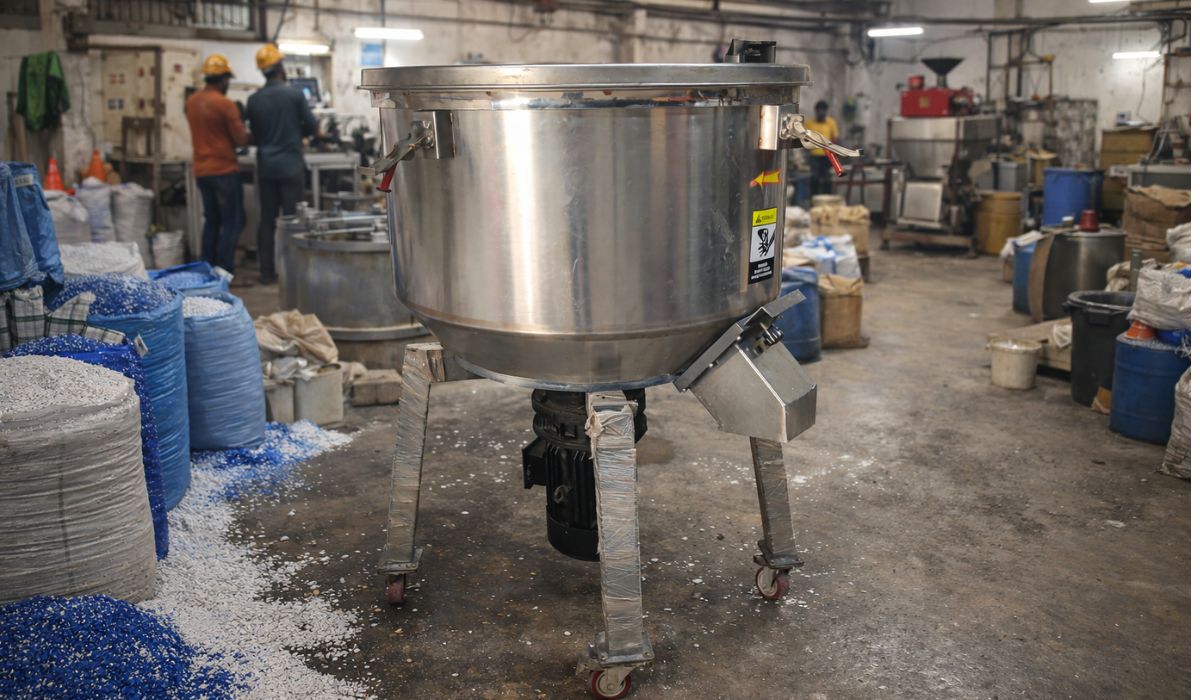
How to Reduce Material Waste in Your Masterbatch Mixing Process
Every plastic manufacturer knows that margins in the polymer industry are razor-thin. When you are processing tons of raw materials daily, even a tiny percentage of waste can quickly add up to thousands of dollars in lost profits.
Among the various stages of plastic processing, the compounding and mixing phase is where material waste silently creeps in. Whether it is color variation, uneven additive distribution, dust generation, or batch contamination, poor mixing practices eat away at your bottom line.
If you are looking to run a leaner, more profitable production line, addressing these inefficiencies is non-negotiable.
In this comprehensive guide, we will explore the major causes of waste in masterbatch blending and provide actionable, real-world strategies to eliminate them. We will also look at how investing in the right Plastic Masterbatch Mixer Machine can transform your manufacturing efficiency.
The True Cost of Material Waste in Masterbatch Mixing
When we talk about waste in plastic processing, many factory managers only look at the physical scrap lying on the shop floor. But material waste goes much deeper than that.
True waste includes:
- Rejected Batches: Entire batches that fail quality control due to color inconsistency or poor additive dispersion.
- Purging Waste: The material lost when cleaning and resetting machines between different product runs.
- Dust and Fines: Valuable additives and pigments that escape into the air during aggressive, unoptimized mixing.
- Raw Material Degradation: Polymers that degrade due to excessive heat build-up during long, inefficient mixing cycles.
By modernizing your processes and upgrading your Plastic Mixer Machine setup, you can directly tackle these issues, improve your output quality, and significantly boost your factory’s profitability.
5 Practical Ways to Reduce Material Waste in Your Mixing Process
Reducing waste does not require a complete overhaul of your factory. Often, it comes down to optimizing your equipment, refining your workflow, and partnering with the right machinery experts. Here are five practical ways to get started.
1. Achieve Perfect Homogeneity on the First Run
One of the biggest culprits of masterbatch waste is “re-running” batches because the color or additive did not distribute evenly. When a mix is inconsistent, the subsequent extrusion or molding process will produce defective, streaky, or structurally weak products.
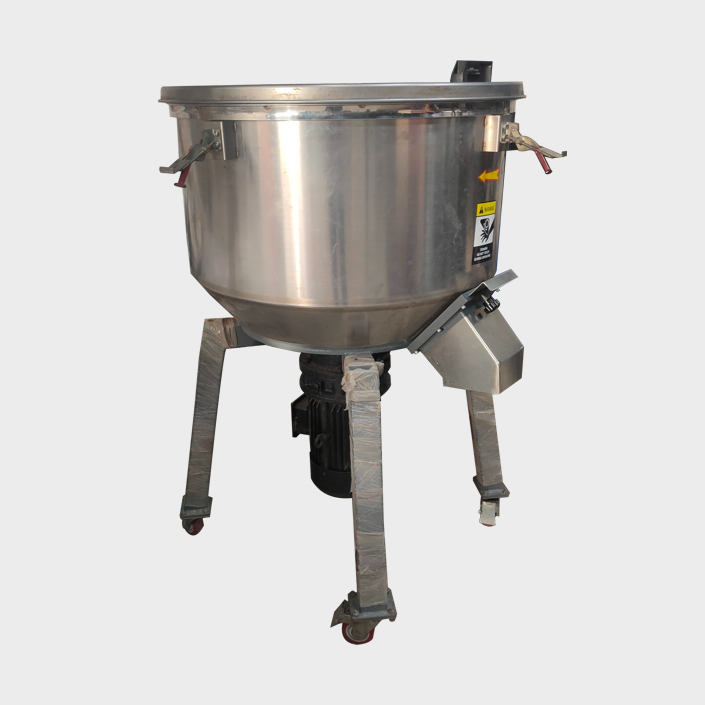
To avoid this, you need a highly efficient Plastic Masterbatch Mixer Machine that ensures uniform distribution of both micro-ingredients and bulk polymers.
Modern mixers use specialized paddle and vessel designs that create a multi-dimensional flow. This ensures that heavy pigments do not simply settle at the bottom of the mixing chamber. When you get a perfect blend on the first run, you eliminate the need to recycle, re-blend, or discard materials.
2. Prevent Dust and Fine Particle Loss
Lightweight pigments, chemical additives, and blowing agents are often expensive. During high-speed mixing, these fine particles can easily become airborne, settling on the factory floor or getting sucked into exhaust systems. This is not just a waste of valuable raw materials; it also poses health and safety risks for your operators.
To prevent this:
- Ensure your mixing vessels are completely dust-tight with high-quality, durable seals.
- Optimize the rotation speed of your mixer. Aggressive mixing does not always mean better mixing; sometimes, gentle yet highly convective blending is far more effective.
- Work with a reputed Plastic Mixer Machine Manufacturer to design custom lid and feeding configurations that contain fine powders during the loading phase.
3. Streamline Batch Transitions and Minimize Cleanout Waste
In a busy plastic processing plant, you often need to switch between different colors or different types of masterbatches. The process of cleaning the mixer to prevent cross-contamination can result in significant material loss and downtime.
If your mixer has “dead zones” where material gets trapped, cleaning becomes a nightmare. Operators end up spending hours scraping the machine, and a lot of usable polymer is flushed out and wasted.
When choosing a mixer, look for a design that prioritizes easy cleaning. Smooth internal surfaces, rounded corners, and strategically positioned discharge valves ensure that the machine empties completely. The less residue left behind, the less material you waste during cleanouts.
4. Upgrade to a Dual-Purpose Storage Mixer Machine
Material handling is another major source of waste. Moving raw materials from bags to mixers, and then to storage bins, increases the chances of spillage and contamination.
This is where a Storage Mixer Machine becomes incredibly valuable. These specialized machines do not just mix your masterbatch; they also serve as a temporary storage and conditioning silo.
By combining mixing and storage into a single, enclosed system, you:
- Minimize material transfer steps, reducing spillage.
- Protect the blended masterbatch from atmospheric moisture and dust contamination.
- Keep the material ready for direct feeding into your extruders or injection molding machines.
5. Standardize Your Feeding and Weighing Processes
Even the best mixer cannot fix a bad recipe. If your operators are manually scooping pigments and additives without precise, calibrated weighing systems, you will inevitably experience batch-to-batch variations.
Implementing simple standard operating procedures (SOPs) for material preparation can save tons of raw materials. Ensure that all raw ingredients are weighed accurately before they enter the mixing chamber. When precise feeding is paired with an industrial-grade mixing system, waste drops to near zero.
How the Right Equipment Saves Your Bottom Line
Many manufacturing plants continue to use outdated, generic mixers to handle specialized masterbatch processes. This often results in slow cycle times, high energy consumption, and high material waste.
Investing in a purpose-built mixing system is an investment that pays for itself. A high-quality mixing system ensures:
- Shorter Cycle Times: Fast, efficient blending prevents the polymer from overheating and degrading.
- Energy Savings: Optimized motor and paddle designs draw less power while delivering superior mixing force.
- Consistent Quality: Customers receive flawless products every single time, protecting your brand reputation and reducing product returns.
Partnering with a Trusted Plastic Masterbatch Mixer Machine Manufacturer
Choosing the right machinery partner is just as important as choosing the machine itself. A generic machinery supplier might sell you an off-the-shelf unit that does not align with your specific material characteristics, bulk densities, or production volumes.
As a leading Plastic Masterbatch Mixer Machine Manufacturer in India, Invoit Plast understands the unique challenges faced by modern plastic processors. We specialize in engineering high-performance mixing and material handling solutions that are built to last, easy to maintain, and highly optimized to prevent material waste.
Why Global Processors Trust Invoit Plast:
- Tailored Engineering: We analyze your specific material recipes—whether you work with engineering plastics, recycling regrinds, or delicate organic pigments—to recommend the ideal mixer configuration.
- Rugged Build Quality: Our machines are constructed using high-grade stainless steel with wear-resistant surface treatments, ensuring zero batch contamination.
- Global Footprint & Exports: With a strong track record of exporting reliable machinery worldwide, we design our systems to meet international safety and operational standards.
- Comprehensive Support: From initial consultation to installation and after-sales service, our team of experts ensures your production line runs with maximum uptime.
Take Control of Your Material Waste Today
Material waste is not an inevitable cost of doing business. It is a controllable variable. By optimizing your blending process, streamlining your material handling, and investing in a reliable, dust-tight mixing system, you can significantly lower your production costs and improve your product quality.
If you are ready to eliminate waste, increase your throughput, and upgrade your factory floor with robust, high-performance machinery, we are here to help.
Let’s Optimize Your Production Line
Get in touch with Invoit Plast, your trusted Plastic Mixer Machine Manufacturer, to discuss your production goals. Our engineers will help you select or custom-design the perfect mixing and storage system for your specific plant layout.
📩 Request Your Quotation Now
+91 63546 02502 , info@invoitplast.com
FAQs
The best way to reduce material waste is by using a high-efficiency Invoit Plast Machinery Pvt. Ltd. Plastic Masterbatch Mixer Machine that ensures uniform blending, minimizes dust generation, and prevents batch contamination. Proper weighing, controlled mixing speed, and optimized material handling also help reduce waste significantly.
A Plastic Masterbatch Mixer Machine improves efficiency by delivering consistent mixing quality, faster batch cycles, lower raw material loss, and reduced reprocessing requirements. It helps manufacturers maintain stable product quality while lowering operational costs.
Uneven mixing leads to poor color dispersion, inconsistent additive distribution, and defective plastic products. These defective batches often require re-blending or disposal, increasing raw material waste and production downtime.
Dust and fine particle loss can be reduced by using dust-tight mixer systems, maintaining proper mixing speeds, and choosing enclosed feeding systems. Modern Plastic Mixer Machines are specially designed to minimize airborne material loss and improve workplace cleanliness.
How does a Storage Mixer Machine help reduce material wastage?
A Storage Mixer Machine combines mixing and storage in one enclosed system. This reduces material transfer steps, minimizes spillage, prevents contamination, and keeps blended materials protected from moisture and dust before processing.
Yes. Old or inefficient mixers often create inconsistent batches, excessive heat, long cycle times, and high dust generation. These issues increase raw material consumption, energy usage, and product rejection rates, ultimately raising production costs.
Accurate weighing ensures the correct ratio of polymers, pigments, and additives in every batch. Incorrect measurements can lead to color variation, weak product quality, and wasted raw materials. Standardized feeding systems help maintain batch consistency.
Modern mixers are designed with smooth internal surfaces, rounded corners, and efficient discharge systems that reduce material residue inside the machine. This minimizes cleanout waste and shortens downtime during color or material changes.
A trusted Plastic Masterbatch Mixer Machine Manufacturer like Invoit Plast Machinery Pvt. Ltd. provides customized mixing solutions based on your production needs, material type, and plant layout. Reliable manufacturers also offer better machine durability, technical support, and long-term operational efficiency.