
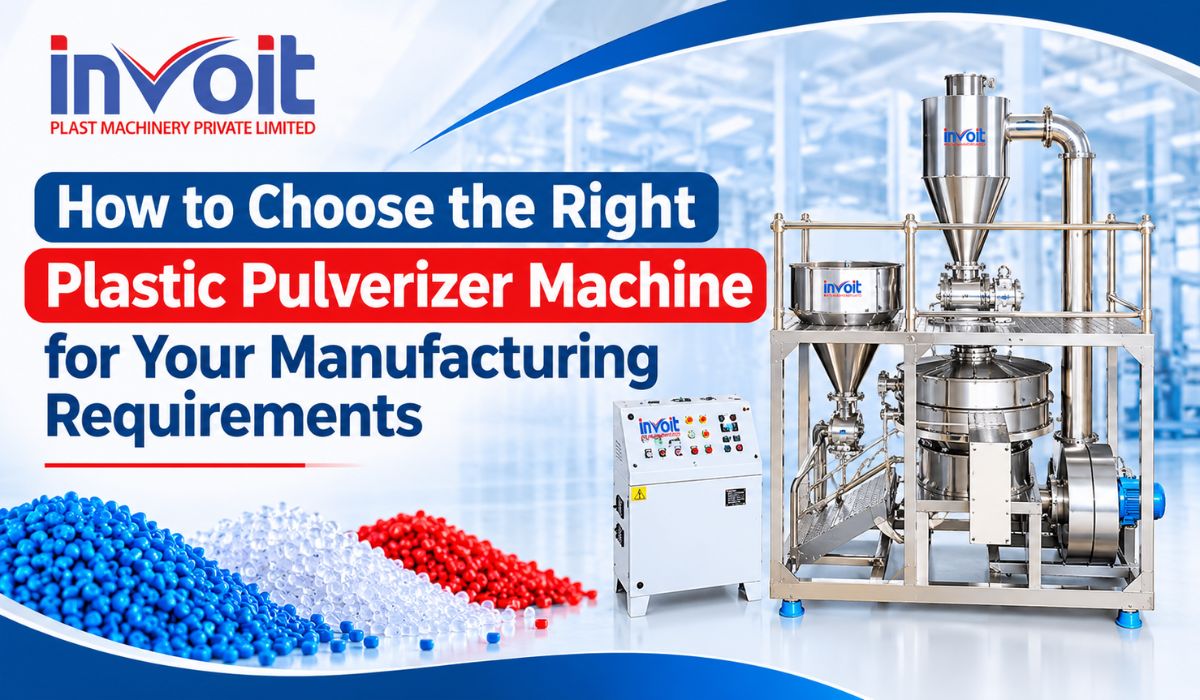
How to Choose the Right Plastic Pulverizer Machine for Your Manufacturing Requirements
Running a successful plastic processing, recycling, or manufacturing plant requires precision, consistency, and efficient equipment. Whether you are expanding your production capabilities or setting up a new processing line, converting plastic scrap, pellets, or regrind into fine powder is a critical stage in the value chain.
This is where selecting the right plastic pulverizer machine becomes a game-changer for your business.
The market offers a wide variety of machines, each designed for different materials, output qualities, and operational capacities. Making the wrong choice can lead to frequent operational downtime, inconsistent powder quality, unnecessary energy waste, and higher maintenance costs.
In this comprehensive guide, we will walk you through everything you need to know to select the ideal pulverizing system for your exact manufacturing needs—without overwhelming you with overly complex jargon or unrealistic promises.
Understanding the Role of a Plastic Pulverizer Machine in Manufacturing
Before evaluating specific features, it is essential to clarify what a pulverizing system actually achieves within a modern manufacturing ecosystem.
A pulverizer is designed to reduce plastic raw materials—such as granules, flakes, or shredded waste—into a fine, uniform powder. This fine powder is required for various downstream manufacturing applications, including:
- Rotational Molding (Rotomolding): Producing hollow products like water tanks, containers, road barriers, and toys.
- Masterbatch and Compounding: Mixing colors, additives, and fillers evenly into base polymers.
- Pipe and Profile Extrusion: Utilizing recycled PVC powder to manufacture durable pipes and fittings.
- Textile and Carpet Coating: Applying polymer powders for backing and bonding materials.
- Recycling and Waste Reduction: Converting industrial scrap back into usable raw material to minimize waste and cut material costs.
By achieving the correct particle size and consistency, manufacturers ensure smooth material flow, faster processing times, and superior finished product strength.
Key Factors to Consider When Selecting a Plastic Pulverizer Machine
Choosing the best equipment requires evaluating your specific operational inputs and desired outputs. Here are the core factors every manufacturer should evaluate before making a purchasing decision.
1. Type of Plastic Material Being Processed
Plastics differ significantly in their heat sensitivity, toughness, density, and flexibility. The type of polymer you process dictates the pulverizing mechanism you need.
- Rigid Plastics (e.g., PVC): Rigid polymers require high precision and shear force to produce fine powder cleanly without overheating.
- Flexible and Semi-Rigid Plastics (e.g., LLDPE, HDPE, LDPE): These materials are sensitive to heat generated during friction. Processing them requires efficient cooling mechanisms to prevent the material from melting or clumping together during operation.
- Engineering Plastics (e.g., Polycarbonate, ABS, Nylon): These materials often demand robust cutting surfaces and controlled temperature environments to maintain their structural properties.
Tip for Manufacturers: Always verify that the machine configuration matches the specific melt flow and thermal behavior of your primary material.
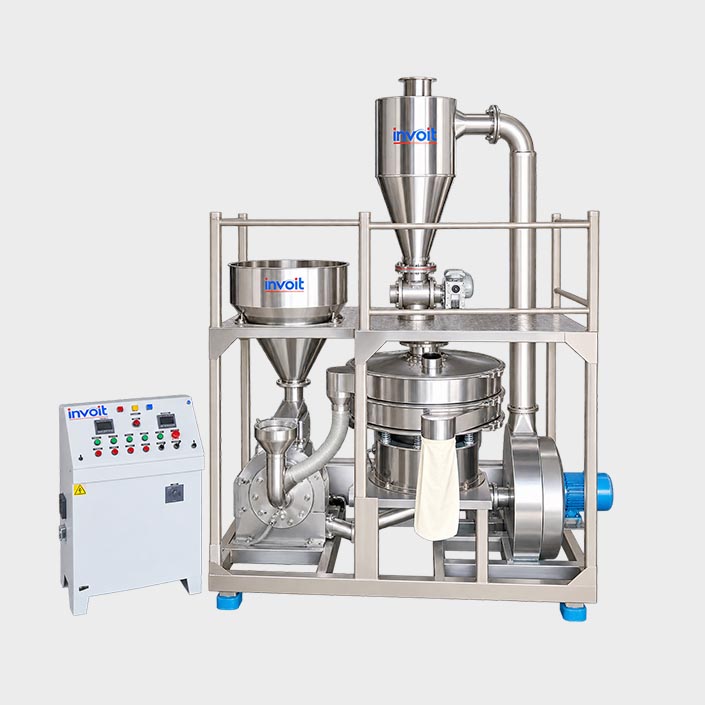
2. Required Powder Fineness and Mesh Size
Powder quality is measured by mesh size—the smaller the particle size, the higher the mesh number. Different production processes demand different particle sizes:
- Rotomolding Applications: Generally require smooth, highly uniform powder within a specific mesh range to ensure easy melting and bubble-free finished surfaces.
- Extrusion and Recycling: May operate effectively with slightly coarser powders, depending on the product standards.
Choosing a machine with easily adjustable settings gives you the flexibility to produce different powder grades as your customer orders or production requirements change.
3. Material Cooling and Temperature Control
Heat generation is one of the biggest challenges in plastic pulverizing. As the machine grinds the plastic against high-speed cutting components, friction creates heat. If the internal temperature rises too high, the plastic will soften, smear, or melt inside the chamber, causing clogging and machine shutdown.
When evaluating equipment, look for systems equipped with reliable temperature management features, such as:
- Water Circulation Systems: Continuous water flow around critical grinding components to carry away excess heat.
- Controlled Air Flow: Air circulation that assists in cooling while simultaneously transporting the finished powder out of the grinding chamber.
Effective temperature control ensures continuous operation, consistent output quality, and longer tool lifespan.
4. Operational Energy Efficiency and Power Balance
Energy consumption represents a significant portion of long-term operational costs in manufacturing. A well-designed pulverizing system optimizes power usage without compromising on output quality.
Instead of focusing solely on motor capacity, consider the overall efficiency of the system:
- How smoothly does the material pass through the grinding zone?
- Is the material fed steadily and automatically to prevent motor overload?
- Does the machine structure minimize vibration and energy loss?
Investing in an energy-conscious machine design pays off rapidly through lower monthly utility expenses and reduced wear on electrical components.
5. Ease of Maintenance and Cleaning
Operational downtime directly impacts profitability. Regular maintenance—such as sharpening or replacing cutting discs, cleaning filters, and inspecting seals—is an inevitable part of running heavy machinery.
To minimize downtime, choose a system designed with user friendliness in mind:
- Easy Chamber Access: Quick-opening mechanisms that allow operators to inspect and clean the grinding chamber during material or color changes.
- Durable, Re-sharpenable Components: High-grade wear components that can be re-sharpened multiple times before needing complete replacement.
- Accessible Wear Parts: Simple access to screens, seals, and bearings for routine servicing.
A machine that is easy to service encourages regular maintenance habits, protecting your capital investment over many years of service.
Comparing Pulverizing Technologies: Disc vs. Blade Systems
Depending on your production goals, you will generally encounter two main mechanical approaches:
|
Feature Focus |
Disc-Type Systems |
Blade/Rotor Systems |
|
Primary Material Focus |
PE, LLDPE, HDPE, EVA, and various recycled polymers |
Rigid PVC, ABS, and harder plastic compounds |
|
Output Type |
High-grade, smooth, uniform fine powder |
Precise, controlled granular powder |
|
Main Advantage |
High throughput and excellent consistency for rotomolding |
Clean shear cutting with reduced thermal stress |
|
Servicing Needs |
Periodic disc re-gap adjustment and re-sharpening |
Blade alignment and periodic edge maintenance |
Understanding these basic structural differences prevents misallocation of funds and ensures your machinery aligns directly with your production goals.
Step-by-Step Guide to Evaluating Your Manufacturing Setup
To narrow down your choices effectively, follow this structured evaluation checklist before speaking with machine builders or equipment suppliers:
[ Step 1: Material Identification ]
└── What plastic types will you process most often? (LLDPE, HDPE, PVC, etc.)
[ Step 2: Capacity Planning ]
└── How many kilograms per hour do your downstream operations require?
[ Step 3: Quality Requirements ]
└── What particle size or mesh distribution does your final product demand?
[ Step 4: Utility Availability ]
└── Do you have adequate power supply and cooling water systems in place?
[ Step 5: Facility Layout ]
└── Is there sufficient floor space for material feeding, grinding, and collection?
Taking time to answer these practical operational questions simplifies discussions with machine suppliers and helps tailor the final setup to your plant layout.
Common Mistakes to Avoid When Purchasing a Pulverizer
Even experienced plant managers occasionally overlook crucial factors during equipment acquisition. Avoid these common pitfalls:
- Focusing Only on Upfront Purchase Price: Selecting a machine purely based on the lowest initial cost often leads to higher maintenance costs, frequent downtime, and excessive energy consumption down the road.
- Ignoring Material Moisture Content: Damp raw materials or regrind can cling to internal surfaces, reducing output speed and clogging screens. Always ensure raw materials are stored dry or pre-conditioned properly.
- Overlooking Material Feeding Systems: Irregular or manual material feeding leads to unstable motor load and inconsistent particle size. Automated vibratory or screw feeding systems ensure steady, reliable material input.
- Neglecting Dust Collection Systems: Powder processing generates airborne fine particles. A well-designed, enclosed dust collection and sifting unit protects workplace air quality, reduces material loss, and keeps your facility clean.
Why Quality and Reliable Engineering Matter
In the plastic manufacturing and recycling industry, equipment reliability directly correlates with profitability. A well-engineered machine built with robust materials provides continuous duty performance, minimizing unexpected shutdowns during peak production cycles.
At Invoitplast, we focus on practical engineering solutions, building robust, dependable plastic processing machinery tailored to real-world operational challenges. By emphasizing structural durability, efficient cooling designs, and straightforward maintenance access, manufacturing teams can focus on what matters most: growing their output, maintaining consistent product quality, and serving their customers reliably.
Making an Informed Investment Decision
Selecting the right plastic pulverizer machine is a strategic investment in your plant’s long-term capability and efficiency. By carefully considering your material characteristics, required powder quality, cooling efficiency, and ease of maintenance, you can choose a system that seamlessly integrates into your manufacturing line.
Take the time to evaluate your present requirements while planning for future growth. Partnering with a manufacturer that prioritizes practical value, honest engineering, and long-term support ensures your facility remains productive, competitive, and profitable for years to come.
Ready to Optimize Your Powder Processing Setup?
Contact the engineering team at Invoitplast today to discuss your material requirements and explore efficient, reliable solutions designed specifically for your plant.
📞 Start Your Project with the Right Pulverizer Solution : +91 63546 02502 , info@invoitplast.com
FAQs
A Plastic Pulverizer Machine is industrial equipment used to convert plastic granules, flakes, and shredded waste into fine, uniform powder. It uses grinding components to reduce plastic material into smaller particles for applications such as rotational moulding, compounding, extrusion, and plastic recycling.
To choose the right Plastic Pulverizer Machine, consider the type of plastic material, required powder fineness, production capacity, cooling system, energy consumption, and maintenance requirements. The machine configuration should match your production process and final product quality requirements.
Depending on its configuration, a Plastic Pulverizer Machine can process materials such as PVC, LLDPE, HDPE, LDPE, ABS, polycarbonate, nylon, and other suitable recycled polymers. Material compatibility should always be confirmed with the machine manufacturer before purchasing.
Outdated pulverizing equipment can produce inconsistent particle sizes, excessive fines, and oversized particles, particularly when grinding components are worn or operating conditions are unsuitable. These issues can affect powder consistency and create additional screening or reprocessing requirements. Proper disc adjustment, temperature control, and routine maintenance are important for maintaining the required powder quality.
The required mesh size depends on the manufacturing application. Rotational moulding generally requires fine and uniform plastic powder, while some extrusion and recycling applications can use comparatively coarser material. The machine should be selected according to the particle size required by your production process.
Temperature control prevents plastic material from softening, melting, or sticking inside the grinding chamber due to frictional heat. Proper cooling helps reduce material buildup, screen blockage, and processing interruptions while maintaining consistent powder quality.
Disc-type pulverizers are commonly used to produce fine powder from materials such as PE, LLDPE, HDPE, and EVA. Blade or rotor-based systems are generally used for rigid PVC, ABS, and harder plastic compounds. The right option depends on material characteristics and the required output.
Yes, a suitably configured PVC Pulverizer Machine can convert compatible PVC materials into fine powder. The processed powder can be used in PVC pipe manufacturing, profile extrusion, compounding, and other plastic processing applications.
Production capacity depends on the plastic material, required powder fineness, feeding consistency, grinding configuration, cooling efficiency, and operating conditions. Manufacturers should evaluate machine capacity using their actual raw material and desired output quality.
Excess moisture can cause plastic particles to stick to internal surfaces and screens, resulting in material buildup, screen blockage, and inconsistent output. Proper storage and moisture control help maintain stable pulverizing operations.
Regular maintenance includes inspecting grinding discs or cutting components, checking bearings and seals, cleaning filters, examining cooling arrangements, and removing material buildup. Timely sharpening or replacement of worn components helps maintain machine performance and reduce unexpected downtime.
Plastic Pulverizer Machines are used in rotational moulding, plastic recycling, masterbatch manufacturing, plastic compounding, PVC pipe and profile extrusion, and textile or carpet coating industries. These applications use fine plastic powder as a raw material for further manufacturing.
Before purchasing, evaluate material compatibility, required powder fineness, production capacity, cooling arrangements, energy efficiency, maintenance accessibility, spare parts availability, and after-sales support. Discussing your actual production requirements with a Plastic Pulverizer Machine Manufacturer in India helps you select suitable equipment.