
When Should a Plastic Processing Plant Upgrade Its Pulverizing Equipment?
In the fast-evolving plastic recycling and processing industry, efficiency, quality, and adaptability determine long-term success. At the heart of many recycling facilities, rotomolding operations, and masterbatch manufacturing units lies an essential workhorse: the plastic pulverizer machine.
Whether you are converting virgin resin pellets or grinding post-industrial scrap into fine, uniform powder, your pulverizing equipment directly impacts your throughput, energy consumption, material consistency, and ultimate profitability.
However, machines do not last forever, nor do older models always keep up with modern market demands. Knowing exactly when to upgrade your plastic pulverizer machine—rather than endlessly repairing older units or accepting reduced efficiency—can mean the difference between leading the market and falling behind.
In this comprehensive guide, we will explore the critical indicators that signal it is time for an equipment upgrade, how modern pulverizing technology elevates overall plant performance, and what factors management should evaluate before making a strategic capital investment.
Recognizing the Signals: Key Triggers for Equipment Upgrade
Upgrading industrial machinery is a major decision. Waiting until a machine completely breaks down often leads to unplanned downtime, missed deadlines, and lost revenue. Instead, forward-thinking plant managers look for clear operational signs that indicate an upgrade is overdue.
A. Rising Operational and Energy Costs
Older pulverizing systems tend to consume significantly more energy to achieve the exact same output as newer, modern machinery. As internal components wear down and older motor designs age, energy draw increases while output drops. If your monthly utility bills are rising without a corresponding increase in production volume, your grinding equipment may be working against your bottom line.
B. Inconsistent Powder Quality and Particle Size Distribution
For applications like rotational molding or masterbatch production, particle size uniformity is critical.
- Excessive Fines: Generating too much ultra-fine dust leads to material wastage and potential hazards in material handling.
- Coarse Granules: Un-pulverized, oversized particles lead to poor melting characteristics, structural voids, and uneven wall thickness in finished molded products.
If your current setup requires constant re-screening, manual intervention, or generates high scrap rates due to inconsistent mesh sizes, your grinding system is no longer operating at the required standards.
C. Frequent Maintenance Downtime and Parts Obsolescence
Routine maintenance is a normal part of industrial operations. However, when maintenance becomes reactive rather than preventive, production schedules suffer. Common warning signs include:
- Frequent bearing failures or spindle overheating.
- Excessive vibration during standard operation.
- Long lead times or high costs to source replacement blades, discs, or spare parts for older models.
If your maintenance team is spending more time repairing your plastic pulverizer machine than operating it, an upgrade will quickly pay for itself in restored uptime and lower labor costs.
D. Inability to Process New or Tougher Polymer Materials
The plastics industry is continuously introducing new polymer formulations, including engineering plastics, recycled blends, bio-plastics, and tough elastomers. Legacy pulverizers designed years ago may lack the torque, cooling capabilities, or specialized disc geometry required to handle modern material grades without melting or clogging.
The Operational Impact of Modern Pulverizing Technology
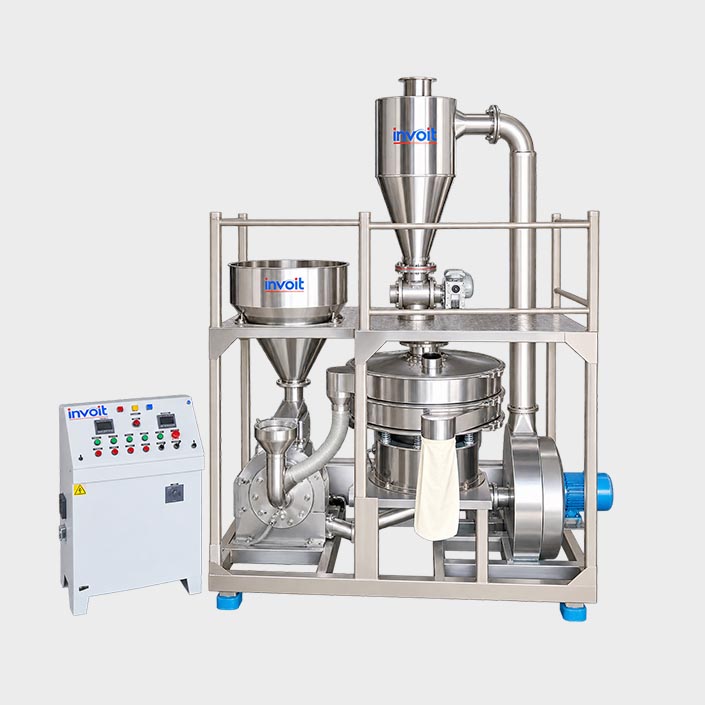
Upgrading to a contemporary plastic pulverizer machine is not just about replacing old hardware; it is about raising the operational baseline of your entire plant. Modern pulverizing designs focus on high efficiency, smart thermal management, and ease of operation.
A. Thermal Control and Heat Management
Heat build-up during grinding is one of the most common challenges in plastic pulverization. When polymers heat up beyond their softening point, they smear, stick to internal chamber walls, and cause severe machine blockages. Modern pulverizers feature optimized water-cooling jackets around both the chamber and rotating discs, allowing plants to process heat-sensitive materials continuously without melting risks.
B. Precision Disc Geometry and Blade Longevity
Advanced metallurgical treatments and precision-engineered disc tooth profiles ensure cleaner shearing action rather than friction-heavy grinding. This results in:
- Lower operating temperatures.
- Reduced power consumption per ton of processed material.
- Significantly longer blade lifespans, reducing overall wear-and-tear costs.
C. Streamlined Material Handling and Automation
Modern pulverizing systems are designed as integrated solutions rather than standalone units. Automated feeding systems, integrated air-classifying screens, cyclonic separation, and automated dust collection ensure seamless material flow from raw input to bagged powder with minimal manual labor.
Comparing Operational Scenarios: Retaining Old Equipment vs. Upgrading
To help plant managers evaluate their current position, the table below outlines common daily operational scenarios and compares keeping legacy machinery against upgrading to a modern plastic pulverizer machine.
|
Operational Area |
Retaining Legacy Pulverizing Equipment |
Upgrading to Modern Equipment |
|
Material Yield |
High percentage of scrap due to un-pulverized granules or heat degradation. |
Maximum usable powder yield with precise particle size distribution. |
|
Cooling Efficiency |
Prone to thermal clogging; requires frequent cooling breaks or external chillers. |
Advanced internal water-jacket cooling allows continuous high-speed operation. |
|
Maintenance & Labor |
High manual intervention; frequent disc adjustments and unscheduled repairs. |
Quick-change disc design, simple gap adjustment, and low maintenance requirements. |
|
Energy Consumption |
High electrical draw per kilogram of material processed due to mechanical friction. |
Optimized shearing action delivers higher output per kilowatt of power. |
|
Plant Environment |
Dust leaks around hoppers and seals create safety hazards and require extra cleanup. |
Fully enclosed, negative-pressure pneumatic conveying keeps the plant clean and dust-free. |
Strategic Benefits of Upgrading for Your Plant
Upgrading your plastic pulverizer machine brings direct advantages across your organization, from floor operations to high-level strategic planning.
1. Increased Production Throughput
Modern pulverizers deliver higher hourly output rates within a compact footprint. This allows plants to expand production capacity without requiring additional factory floor space.
2. Enhanced Quality Control and Customer Satisfaction
Delivering clean, consistent, high-mesh powder helps your customers achieve better melt flow, faster cycle times, and superior surface finish in their end products. Consistently high quality builds long-term customer trust and secures repeat business.
3. Processing Versatility
A modern, adaptable pulverizing system allows processing facilities to switch easily between different resins—such as LLDPE, HDPE, PVC, ABS, and PC—enabling your business to accept a wider range of customer orders and raw material grades.
4. Safer and Cleaner Working Environment
Modern pulverizing systems prioritize operator safety and clean room standards. Fully integrated dust collection systems reduce airborne particles, protecting workers’ health and helping facilities maintain compliance with environmental and industrial safety regulations.
Step-by-Step Guide to Evaluating an Upgrade
If your team is considering an equipment upgrade, follow this structured evaluation process to ensure a successful transition:
- Audit Current Production Costs: Track your total operational cost per kilogram of powder produced, factoring in electricity, labor, spare parts, and downtime costs.
- Analyze Material Requirements: Identify the specific polymer types, target mesh sizes, and temperature thresholds required for your product line.
- Assess Floor Space and Infrastructure: Verify available power supply, cooling water capacity, and floor layout to support the new system.
- Evaluate Supplier Expertise and Support: Partner with an established machinery manufacturer known for reliable engineering, robust spare parts support, and responsive customer service.
- Plan for Operator Training: Ensure your technical team is trained on proper gap setting, preventive maintenance, and routine cleaning procedures to maximize equipment lifespan.
Investing in Long-Term Operational Excellence
Upgrading your plastic processing plant’s pulverizing equipment is more than a simple machinery replacement—it is a strategic decision that drives plant efficiency, product quality, and long-term competitiveness.
By identifying operational bottlenecks early, measuring energy and maintenance costs, and understanding the performance capabilities of modern processing technology, plastic recyclers and compounders can make informed upgrade decisions that deliver lasting value.
When you are ready to explore reliable, efficient, and custom-engineered pulverizing solutions designed for modern industrial demands, partnering with an experienced machinery manufacturer like Invoitplast ensures your plant receives dependable technology, dedicated technical support, and equipment tailored to your exact processing goals.
📞 Start Your Project with the Right Pulverizer Solution : +91 63546 02502 , info@invoitplast.com
FAQs
A plastic processing plant should consider upgrading its pulverizing equipment when energy consumption increases, powder quality becomes inconsistent, maintenance costs rise, production downtime becomes frequent, or the machine cannot process the required materials efficiently. Comparing current operating costs and production requirements can help determine whether upgrading is more practical than continuing repairs.
Common signs include frequent breakdowns, excessive vibration, overheating, inconsistent powder particle sizes, repeated material blockages, and difficulty sourcing spare parts. If these problems regularly interrupt production or affect product quality, it may be time to evaluate newer pulverizing equipment.
Repairing an old plastic pulverizer machine may be suitable when faults are minor and replacement parts are readily available. However, upgrading may be worth considering when recurring repairs, production losses, high energy consumption, and inconsistent powder quality continue to affect operations. Plants should compare the total cost of operating the existing machine with the expected cost and benefits of a replacement.
Outdated pulverizing equipment can produce inconsistent particle sizes, excessive fines, and oversized particles, particularly when grinding components are worn or operating conditions are unsuitable. These issues can affect powder consistency and create additional screening or reprocessing requirements. Proper disc adjustment, temperature control, and routine maintenance are important for maintaining the required powder quality.
A plastic pulverizer machine may overheat because of friction during grinding, insufficient cooling, incorrect disc settings, excessive material feeding, or worn components. Heat-sensitive plastics can soften, stick to internal surfaces, and cause blockages. Checking the cooling system, feed rate, and grinding conditions can help identify the cause.
Yes, upgrading may help reduce energy consumption when the existing machine operates inefficiently because of worn components, unsuitable grinding conditions, or outdated equipment design. However, actual savings depend on the polymer being processed, required particle size, production rate, motor load, and cooling requirements. Comparing electricity consumption per kilogram of usable powder provides a practical basis for evaluation.
A plant can reduce downtime through preventive maintenance, regular inspection of grinding discs and bearings, correct disc-gap adjustment, effective cooling, and timely replacement of worn parts. If breakdowns continue despite proper maintenance, evaluating a newer machine with easier maintenance access and suitable operating features may help improve production continuity.
The selection depends on the materials the plant needs to process, such as LLDPE, HDPE, PVC, ABS, or PC. Each polymer has different grinding and thermal characteristics, so buyers should confirm material compatibility, required powder fineness, feeding conditions, and cooling requirements with the machine manufacturer before choosing equipment.
Cooling helps control the heat generated during pulverization. Effective temperature management can reduce material softening, smearing, sticking, and clogging, especially when processing heat-sensitive polymers. Plants evaluating an upgrade should check the cooling arrangement and confirm that it suits their specific materials and production conditions.
Manufacturers should evaluate the types of plastic materials processed, required particle size, present production capacity, electricity consumption, maintenance expenses, downtime, available floor space, power supply, cooling facilities, and spare-parts support. These factors help determine whether the proposed equipment matches the plant's current needs and future production plans.
When selecting a PVC pulverizer machine manufacturer in India, evaluate the cooling arrangement, grinding chamber airflow, screen accessibility, grinding component quality, feeding controls, and maintenance requirements. Choose a machine suited to your PVC material and required powder output.
To improve PVC pulverizer machine efficiency, use clean and dry feed material, maintain consistent feeding, keep screens and filters clean, ensure proper cooling, and inspect grinding blades regularly. These practices can help improve powder discharge, reduce avoidable downtime, and maintain consistent processing conditions.
Modern plastic pulverizing equipment may improve production capacity when its design, motor power, cooling system, and grinding configuration match the material and required powder size. Actual output varies according to polymer properties, feeding conditions, machine settings, and maintenance. Buyers should request output information for their specific material rather than relying only on general capacity claims.
Invoit Plast manufactures plastic processing machinery and can help buyers discuss their pulverizing requirements based on the polymer type, desired powder fineness, production needs, and operating conditions. Before selecting replacement equipment, manufacturers can contact Invoit Plast to discuss suitable machine options and clarify the requirements for their application.