
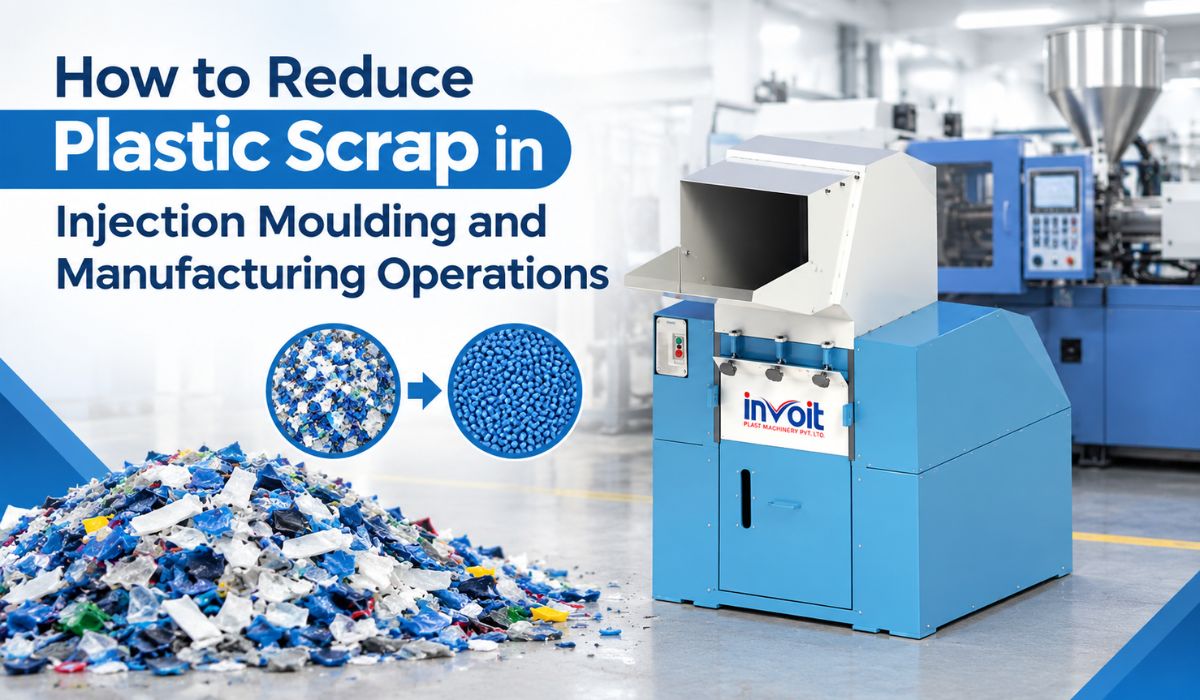
How to Reduce Plastic Scrap in Injection Moulding and Manufacturing Operations
Plastic scrap is a common challenge in injection moulding and plastic manufacturing. During production, plastic material may be left over from rejected products, damaged components, trimming, product changes, and other manufacturing activities. If this material is not handled properly, it can increase material waste, create storage problems, and make production management more difficult.
For manufacturers, reducing plastic scrap is not only about using less material. It also involves improving production practices, identifying the reasons behind rejected products, handling leftover material carefully, and deciding whether suitable scrap can be reused.
A well-planned scrap management process helps manufacturers make better use of available resources. Depending on the material and its condition, a Plastic Scrap Grinder Machine may also support the recovery of suitable plastic scrap for further processing.
This guide explains practical ways to reduce plastic scrap in injection moulding and manufacturing operations, manage rejected plastic products, and understand the role of grinding equipment in plastic recycling.
Understanding Plastic Scrap in Injection Moulding
Plastic scrap injection moulding operations can produce different types of leftover material. Some scrap comes from products that do not meet the required quality, while other material comes from production changes or routine handling.
Common examples include:
- Rejected moulded plastic components.
- Damaged plastic products.
- Leftover material generated during production.
- Runners and sprues, where applicable to the manufacturing process.
- Plastic parts that do not meet the required appearance or dimensions.
- Offcuts and leftover pieces from other plastic manufacturing activities.
Not every type of plastic scrap can be reused in the same way. The suitability of leftover material depends on the plastic type, its condition, the original product requirements, and the intended application.
For example, clean and correctly identified production scrap may be suitable for further processing in some applications. Mixed, contaminated, or degraded material may require different handling or disposal arrangements.
The first step towards reducing waste is understanding where scrap comes from and why it is being generated.
Why Reducing Plastic Scrap Matters for Manufacturers
Plastic scrap affects more than the amount of material left over after production. It can also influence storage, handling, production planning, and the overall use of factory resources.
Better Use of Raw Materials
Plastic resin and other production materials represent an important part of manufacturing expenditure. When usable material becomes scrap unnecessarily, the factory loses an opportunity to make better use of the resources it has already purchased.
Reducing avoidable scrap helps manufacturers manage raw materials more carefully.
Improved Production Consistency
Frequent rejected products can indicate that a manufacturing process needs attention. Reviewing the reasons for rejection helps production teams identify recurring problems and take appropriate corrective action.
The objective is to prevent avoidable defects rather than depend entirely on recycling after the scrap has been generated.
Cleaner and Better-Organised Work Areas
Unmanaged plastic scrap can occupy valuable factory space and make material movement more difficult. A clear system for collecting, identifying, and storing scrap can help maintain an organised working environment.
More Effective Scrap Management
When manufacturers understand the type and condition of the scrap they generate, they can make more informed decisions about reuse, recycling, and disposal.
A proper management process also helps prevent suitable material from being mixed with scrap that cannot be reused for the same purpose.
Common Causes of Plastic Scrap in Manufacturing Operations
Before choosing equipment or changing a recycling process, manufacturers should identify the main sources of waste in their operations.
Production Rejections
Plastic components may be rejected when they do not meet the required product quality. The reasons can vary according to the product, material, mould, machine settings, and production conditions.
Instead of treating every rejected component as unavoidable waste, manufacturers should review recurring rejection patterns and identify where improvements may be possible.
Incorrect Material Handling
Plastic material can become mixed, contaminated, or damaged during collection and storage. Once different materials are mixed, it may become more difficult to identify whether the scrap is suitable for reuse.
Keeping materials separated from the beginning makes later handling easier.
Poor Scrap Segregation
Different plastic grades, colours, and materials may have different reuse requirements. Mixing them without checking their suitability can limit the possible uses of recovered material.
A clear identification and collection process helps maintain better control over scrap.
Unplanned Production Changes
Manufacturers may change products, colours, or materials according to production requirements. Such changes can generate leftover material or rejected components.
Planning production changes carefully and following consistent cleaning and material-handling practices can help reduce avoidable waste.
Inadequate Scrap Collection
When scrap is left scattered around production areas, it may become mixed with dust, packaging, oil, or other unwanted material.
Providing designated collection containers and clear handling instructions can help protect the quality of material intended for recycling.
Practical Ways to Reduce Plastic Scrap in Injection Moulding
Reducing plastic scrap requires attention to the complete production process. Recycling equipment can help manage suitable leftover material, but the best results begin with preventing avoidable waste.
1. Identify the Main Sources of Scrap
Start by identifying the production stages where scrap is generated.
Review rejected components, leftover material, damaged products, and other recurring waste. Speak with the people responsible for operating and supervising the production process because they may be familiar with problems that occur during daily operations.
Record the reasons for rejection in a simple, consistent manner. This helps the team distinguish between recurring production problems and occasional incidents.
Once the main sources are understood, manufacturers can prioritise practical improvements.
2. Maintain Consistent Production Practices
Production teams should follow approved operating procedures and keep important process settings consistent with the requirements of the product and material.
Changes to machine settings should be made by appropriately trained personnel. Unnecessary adjustments during production can create inconsistent results and additional rejected components.
Regularly reviewing production quality helps teams identify when a process requires attention.
3. Check Material Before Production
Material quality and suitability influence the final product. Manufacturers should check incoming material according to their normal quality procedures and ensure that the correct material is used for each production requirement.
Where recovered material is considered for reuse, its identity, cleanliness, and suitability should be assessed before it enters the production process.
This approach reduces the risk of introducing unsuitable material into a product.
4. Improve Material Storage and Identification
Keep different plastic materials separated and clearly identified. Where relevant, separate material by plastic type, colour, source, and intended use.
Clean production scrap should not automatically be mixed with dirty or unidentified material.
Suitable containers and designated collection areas can make it easier for workers to follow the correct handling process.
5. Review Rejected Products Regularly
Rejected components can provide useful information about production quality.
Instead of simply collecting and grinding every rejected part, examine why it was rejected. If the same problem occurs repeatedly, investigate the underlying production issue.
For example, if a component regularly fails to meet its required appearance or dimensions, the production team should review the relevant process conditions before deciding how to handle the rejected material.
Preventing repeat defects is generally more useful than relying on scrap recovery alone.
6. Train Workers in Scrap Management
Workers should understand how to identify, separate, collect, and store different types of plastic scrap.
Simple instructions can help prevent suitable material from becoming contaminated and reduce confusion about which material can be reused.
Training should also explain that not every rejected product is suitable for the same recycling process.
A consistent approach across shifts helps maintain better material handling throughout the factory.
How a Plastic Scrap Grinder Machine Helps Manage Waste
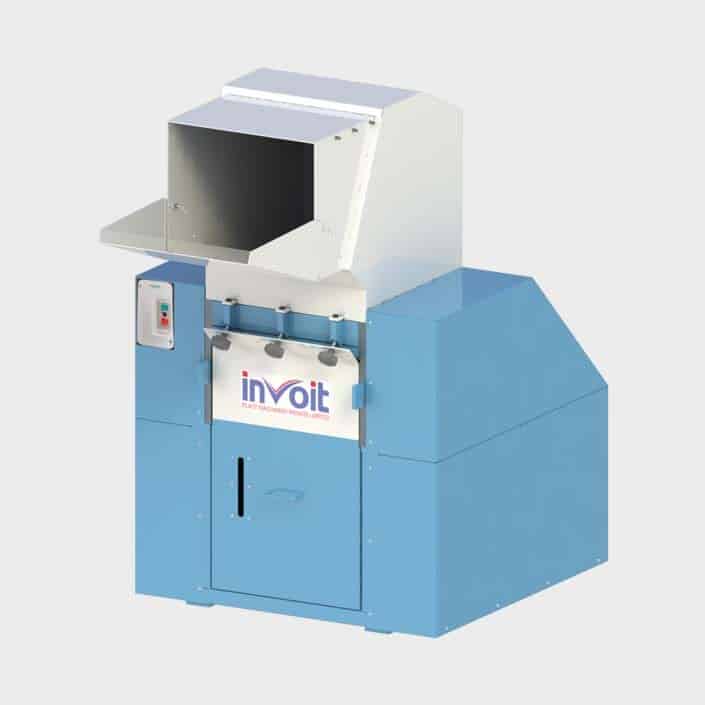
Even with careful production practices, some plastic scrap may still be generated. In suitable applications, a Plastic Scrap Grinder Machine can help process selected plastic waste into smaller pieces for further handling or recycling.
The machine reduces the size of suitable plastic scrap, making the processed material easier to collect and manage for the next stage of the recycling process.
Depending on the material and its intended use, the processed scrap may be considered for reuse in an appropriate manufacturing application or sent for further recycling.
However, grinding alone does not guarantee that scrap can be reused in a finished product. Material identification, cleanliness, product requirements, and the suitability of the recovered material must all be considered.
Easier Handling of Suitable Plastic Scrap
Large rejected components and bulky plastic pieces can be difficult to collect and store. Grinding suitable scrap into smaller pieces can make it easier to handle within an organised material recovery process.
The actual benefit depends on the type and volume of scrap generated and how the factory manages the processed material.
Support for Plastic Recycling Activities
A grinder can form part of a broader plastic recycling arrangement. After grinding, the material may require sorting, cleaning, drying, or other processing depending on its condition and intended application.
Manufacturers should decide how the recovered material will be used before establishing their recycling process.
Better Organisation of Production Waste
When suitable scrap is collected and processed through a planned system, it becomes easier to distinguish material intended for recovery from waste that requires separate handling.
This supports a more structured approach to managing plastic waste within the factory.
How to Decide Which Plastic Scrap Can Be Reused
Not all plastic scrap should be treated as reusable production material. Manufacturers need to consider several factors before introducing recovered material into another production cycle.
Plastic type: Different plastic materials have different processing and application requirements. Material should be identified before reuse is considered.
Cleanliness: Scrap containing dust, oil, foreign plastic, or other contamination may require additional treatment or may not be suitable for the intended application.
Material condition: Heat exposure, repeated processing, and other factors can affect material properties. The condition of recovered material should be assessed against the requirements of the final product.
Colour and appearance: Mixing colours may affect the appearance of the finished component. This is particularly important where product appearance is part of the customer’s requirement.
End-use requirements: Material that may be suitable for one application might not be appropriate for another. Manufacturers should confirm that any recovered material meets the relevant product requirements.
Quality checks: Recovered material should be evaluated through the manufacturer’s established quality procedures before it is approved for reuse.
These checks help manufacturers make responsible decisions about scrap recovery rather than assuming that all ground plastic can return directly to production.
What to Consider Before Choosing a Plastic Scrap Grinder Machine
Selecting suitable grinding equipment begins with understanding the factory’s actual scrap management needs.
Type of Plastic Scrap
Consider the materials being processed, such as rejected injection moulded components, production offcuts, or other suitable plastic waste.
Different materials behave differently during processing. Discuss the actual scrap samples and intended application with the equipment supplier before making a selection.
Nature of the Scrap
The size, shape, condition, and cleanliness of the plastic pieces can influence the suitability of a machine.
A factory processing bulky rejected components may have different requirements from a plant handling smaller production leftovers.
Expected Production Needs
Consider how much scrap is generated during normal operations and how frequently it needs to be processed.
The equipment should fit the factory’s real working conditions rather than being selected only on the basis of general product descriptions.
Available Space and Material Movement
Consider where the grinder will be installed and how scrap will be collected, moved, processed, and stored afterwards.
A practical layout can make the complete operation easier to manage.
Maintenance and After-Sales Support
Manufacturers should understand the machine’s maintenance requirements, the availability of relevant support, and the recommended operating practices.
A discussion with the supplier can help clarify whether the proposed equipment fits the factory’s application.
Businesses evaluating a Plastic Scrap Grinder Machine Manufacturer should compare application suitability, equipment details, maintenance expectations, and the support offered. These factors are more useful than relying on broad performance promises alone.
Common Mistakes to Avoid in Plastic Scrap Reduction
Some scrap management practices can create additional problems when they are not planned carefully.
Grinding all rejected material without checking it: Material should be identified and assessed before processing. Contaminated or unsuitable scrap may require separate handling.
Mixing different plastics: Uncontrolled mixing can reduce the usefulness of recovered material and make its final application more difficult to determine.
Ignoring the reason for rejection: Grinding rejected products does not solve the production problem that caused them. Manufacturers should investigate recurring defects.
Assuming ground plastic is ready for reuse: Depending on the material and application, further processing and quality checks may be necessary.
Choosing equipment without reviewing actual scrap: A machine should be selected according to the factory’s materials, operating requirements, and intended use of the processed output.
Overlooking worker practices: Equipment alone cannot replace proper material identification, collection, storage, and quality control.
Avoiding these mistakes helps manufacturers establish a more dependable approach to plastic scrap management.
How Invoit Plast Supports Plastic Scrap Processing Requirements
Invoit Plast Machinery Pvt. Ltd., based in Ahmedabad, Gujarat, India, manufactures plastic processing machinery for industrial applications.
For manufacturers looking to manage suitable plastic scrap, a Plastic Scrap Grinder Machine may be considered as part of a wider material recovery process. The right approach depends on the type of plastic being processed, the nature of the scrap, and the intended use of the recovered material.
Before selecting equipment, manufacturers should explain their application, the material they handle, and their scrap management objectives. This allows the equipment discussion to focus on practical requirements rather than assumptions about performance or suitability.
Businesses searching for a Plastic Scrap Grinder Machine Manufacturer can contact Invoit Plast to discuss their plastic scrap processing needs and determine whether the available equipment is appropriate for their application.
The objective is to identify a suitable solution based on the manufacturer’s actual production requirements, not to promise that every type of scrap can be reused or that a grinder alone will eliminate manufacturing waste.
Final Thoughts
Reducing plastic scrap in injection moulding and manufacturing operations begins with understanding why waste occurs. Better production practices, careful material handling, proper segregation, regular quality checks, and worker training can help prevent avoidable scrap and improve material management.
For suitable plastic waste, a Plastic Scrap Grinder Machine can support the recovery process by reducing scrap into smaller pieces for further handling or recycling. However, successful scrap management also depends on material quality, cleanliness, application requirements, and an appropriate plan for the processed material.
Manufacturers should focus on preventing avoidable defects first and managing unavoidable scrap responsibly. By combining practical production improvements with suitable recycling equipment, businesses can develop a more organised approach to plastic material use and waste management.
If your factory is reviewing its plastic scrap handling process, contact Invoit Plast Machinery Pvt. Ltd. to discuss your application and explore suitable plastic scrap processing options.
Discuss Your Plastic Scrap Processing Requirements with Invoit Plast
Email : info@invoitplast.com , service@invoitplast.com, sales@invoitplast.com
Phone Number : +91 63546 02502, +91 63546 02503, +91 63546 02504
FAQs
Manufacturers can reduce plastic scrap in injection moulding by maintaining consistent production practices, checking material quality, identifying the causes of rejected products, and training workers in proper material handling. Separating suitable scrap from contaminated material also helps improve scrap management.
A Plastic Scrap Grinder Machine is used to reduce suitable plastic waste, such as rejected moulded parts and production leftovers, into smaller pieces. The processed material can then be collected for further handling, recycling, or reuse where it meets the requirements of the intended application.
Yes, some plastic scrap from injection moulding can be reused, depending on its material type, cleanliness, condition, and intended application. Manufacturers should check whether the recovered material meets product quality requirements before using it again in production.
A Plastic Scrap Grinder Machine helps plastic recycling by reducing suitable plastic waste into smaller pieces that are easier to collect and handle. Depending on the material, additional processing or quality checks may be needed before the recovered plastic can be reused.
Depending on the machine and application, suitable scrap may include rejected plastic components, injection moulded parts, runners, sprues, and production offcuts. Manufacturers should confirm material compatibility with the Plastic Scrap Grinder Machine Manufacturer before processing different types of plastic.
Manufacturers can prevent avoidable material wastage by checking incoming material, following consistent production procedures, reviewing rejected products, and keeping different plastic materials properly separated. Identifying recurring production problems helps teams take corrective action.
When choosing a Plastic Scrap Grinder Machine Manufacturer, consider the type of plastic scrap you generate, the machine's suitability for your application, maintenance requirements, operating practices, and available after-sales support. Discussing your actual material and processing needs can help you make a more informed decision.
No, grinding plastic scrap does not automatically make it ready for reuse. The processed material may require sorting, cleaning, or further treatment. Its suitability also depends on the plastic type, material condition, and quality requirements of the final product.
Separating plastic scrap by material type helps prevent unsuitable materials from mixing. It also makes it easier to identify which material may be suitable for recycling or reuse and which material requires separate handling.
Plastic scrap may result from rejected components, inconsistent product quality, material contamination, damaged parts, production changes, and leftover material. Identifying the specific cause helps manufacturers reduce avoidable waste and improve production practices.
Manufacturers should consider the type and condition of their plastic scrap, the intended use of the processed material, their production requirements, available installation space, and maintenance needs. They should also confirm that the selected machine is suitable for their actual application.
Businesses looking for a Plastic Scrap Grinder Machine Manufacturer in India can contact Invoit Plast Machinery Pvt. Ltd. in Ahmedabad, Gujarat, to discuss their plastic scrap processing requirements and check whether its available equipment suits their application.