
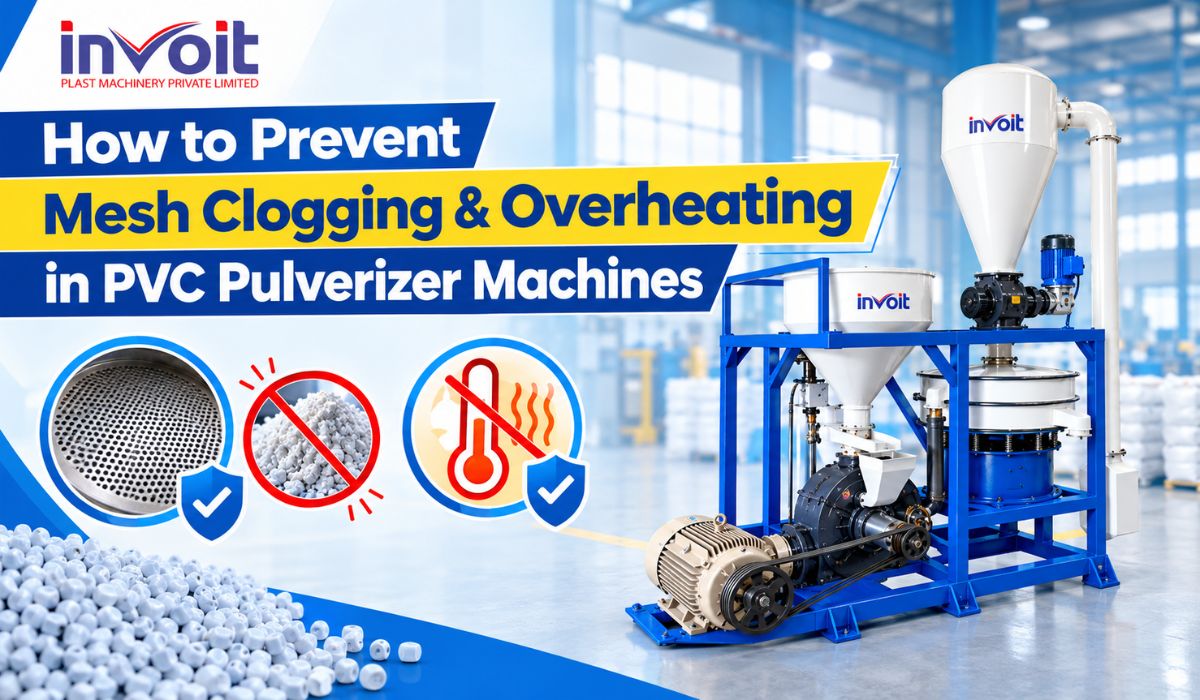
How to Prevent Mesh Clogging & Overheating in PVC Pulverizer Machines
Maintaining smooth processing operations is essential for plastic recycling and reprocessing businesses. Among the various industrial processing equipment used in plastic recycling, the PVC pulverizer machine plays a crucial role in reducing plastic scraps, pipes, profiles, and off-cuts into fine, usable powder.
However, operators frequently face two major operational challenges: mesh clogging and machine overheating. These two issues are often closely linked. When mesh screens get blocked, air flow drops, heat builds up rapidly, and processing efficiency plummets. Left unaddressed, this can lead to unscheduled downtime, damaged material, and unnecessary wear on internal components.
In this practical operational guide, we will explore why these issues happen, how to prevent them through daily operating discipline, and how selecting the right PVC pulverizer machine manufacturer or plastic pulverizer machine manufacturer helps ensure reliable, long-term performance.
Understanding the Root Causes of Mesh Clogging and Overheating
To fix a operational issue effectively, it is essential to understand why it happens in the first place. PVC (Polyvinyl Chloride) is a heat-sensitive plastic resin. Unlike some other polymers, PVC degrades or softens easily when subjected to excessive friction and heat.
1. Why Mesh Clogging Occurs
Mesh clogging—often referred to as screen blinding—happens when fine particles compact together or stick to the screening surface instead of passing through cleanly. Common factors include:
- Excessive Material Moisture: Moist or damp raw scrap tends to clump together, creating sticky clusters that seal the screen openings.
- Over-feeding the Hopper: Feeding raw plastic scrap into the grinding chamber faster than the machine can process it causes material buildup, forcing partially ground particles against the screen under heavy pressure.
- Frictional Heat Softening: If internal temperatures rise, PVC particles reach a tacky or semi-molten state. These softened particles smear across the mesh surface rather than bouncing through it.
- Static Charge Buildup: High-speed grinding generates static electricity, causing ultra-fine powders to cling tightly to the metal mesh wire and internal housing walls.
2. Why Overheating Happens
Overheating in grinding chambers is rarely a standalone problem; it is usually the result of friction and poor heat dissipation. Key triggers include:
- Restricted Airflow: A blocked mesh screen acts like a sealed valve. Air cannot circulate through the grinding chamber, trapping frictional heat inside.
- Worn Grinding Discs or Blades: Dull or misaligned grinding elements crush material inefficiently through friction rather than sharp impact, generating significant heat with minimal throughput.
- Inadequate Cooling Systems: PVC processing relies heavily on ambient or water-assisted cooling jackets. Malfunctioning cooling lines or blocked jackets rapidly elevate chamber temperatures.
- Improper Gap Calibration: When the gap between rotating and stationary grinding elements is adjusted too tightly without proper clearance, friction increases dramatically without improving powder quality.
Operational Strategies to Prevent Mesh Clogging
Preventing screen blinding requires a combination of good material preparation, controlled feeding practices, and proper airflow management.
+-----------------------------------------------------------------------+
|                     SMOOTH PULVERIZING WORKFLOW                       |
+-----------------------------------------------------------------------+
|                                                                       |
|  [ Clean, Dry PVC Scrap ] ---> [ Controlled Constant Feeding ]        |
|                                             |                         |
|                                             v                         |
|  [ Screen Cleaning / Anti-Static ] <--- [ Optimized Airflow & Gap ]   |
|                                                                       |
+-----------------------------------------------------------------------+
A. Material Preparation and Moisture Control
- Pre-dry Raw Scrap: Ensure that raw PVC scrap, Regrind, or edge trims are stored in dry, sheltered areas. If processing post-consumer or washed material, ensure thorough pre-drying before feeding it into the pulverizer.
- Remove Contaminants: Dust, dirt, moisture, and mixed plastic contaminants change the thermal behavior of the batch. Clean feed material runs faster and cleaner.
B. Implement Steady, Automated Feeding
- Avoid Manual Dump Feeding: Throwing large quantities of scrap into the hopper manually leads to sudden spikes in chamber load, immediate temperature jumps, and quick mesh clogging.
- Use Variable Speed Feeders: Equipping your system with a vibratory or screw feeder maintains a steady, continuous stream of material, allowing the grinding chamber to process and discharge powder smoothly.
C. Optimize Air Circulation and Dust Extraction
- Maintain Blower Efficiency: A robust air transport system pulls pulverized fine powder through the screen and conveys it to the cyclone separator. Ensure the suction piping is free of air leaks or blockages.
- Keep Filter Bags Clean: Reverse-pulse dust collectors or filter bags must be cleaned regularly. Back-pressure from blinded filter bags directly reduces airflow inside the pulverizer chamber.
D. Use Anti-Static Grounding
- Ground the Machine Body: Ensure the main body, air ducting, and screening unit are fully grounded to dissipate static electrical charges that cause powder to cling to metal surfaces.
Actionable Steps to Prevent System Overheating
Controlling temperature inside a PVC pulverizer machine is vital to preserving both resin quality and mechanical health. Here are essential practices to keep system temperatures low.
1. Monitor and Maintain Cooling Jackets
- Check Water Flow: Ensure cooling water is circulating constantly through the housing jackets. Blocked water passages caused by hard water scale can severely drop thermal exchange efficiency.
- Maintain Water Temperature: Using cool, circulating water from a dedicated chiller or cooling tower keeps internal metal temperatures well below the softening point of PVC.
2. Inspect and Maintain Sharp Grinding Blades
- Establish Regular Blade Maintenance: Inspect rotating and fixed grinding segments routinely. Dull blades require more energy and force to reduce material size, generating heavy friction that converts directly into heat.
- Ensure Precise Gap Setting: Adjust grinding disc clearances according to material density and desired mesh size. Avoid running the discs too close together without sufficient clearance.
3. Implement Automatic Temperature Interlocks
- Thermal Sensors: Ensure your machinery control system uses temperature probes embedded near the grinding chamber. Setting automatic safety shut-offs or feeder slowdown triggers when temperatures reach specific thresholds prevents material melting inside the housing.
Routine Maintenance Checklist for Pulverizer Operators
Establishing a daily and weekly maintenance habit prevents small operational oversights from turning into costly production downtime.
|
Frequency |
Maintenance Task |
Purpose |
|
Every Shift |
Clean screen mesh manually or run auto-vibro cleaning |
Prevents powder buildup and maintains airflow |
|
Every Shift |
Inspect cooling water flow and intake temperature |
Ensures active thermal management |
|
Daily |
Check air suction filters and clean dust bags |
Eliminates back-pressure in the air system |
|
Weekly |
Inspect grinding blade edges for wear or rounding |
Reduces frictional heat generation |
|
Weekly |
Verify electrical grounding connections |
Prevents static powder accumulation |
|
Monthly |
Flush and clean water-cooling jacket pathways |
Prevents mineral scaling and thermal insulation |
Choosing the Right Partner: What to Look For in a Manufacturer
The design and engineering quality of your equipment play a direct role in how easily your team can prevent mesh clogging and overheating. When evaluating an experienced PVC pulverizer machine manufacturer or a trusted plastic pulverizer machine manufacturer, keep these structural design considerations in mind:
1. Engineered Chamber Airflow & Cooling Design
A well-designed pulverizer integrates optimized cooling jacket geometry surrounding the entire grinding chamber. Adequate surface area for water cooling combined with balanced internal airflow dynamic ensures heat is carried away as fast as it is generated.
2. Easy Chamber Access and Fast Screen Changes
Routine inspection is much more likely to happen when the machine is designed for simple maintenance. Look for equipment featuring quick-opening chamber doors, accessible screen housings, and modular wear plates that allow operators to inspect, clean, or change screens without lengthy production stops.
3. High-Quality Blade Metallurgy and Balance
Machinery built with wear-resistant, precision-balanced grinding segments operates smoothly with minimal vibration. Properly balanced components hold tight clearance tolerances longer, preventing localized hot spots caused by uneven friction.
4. Reliable Feed Automation and Safety Controls
Leading machine builders equip their systems with smart control features like ammeter-linked automatic feeding. If the main grinding motor experiences high resistance or load, the feeder automatically slows down, allowing the chamber to clear before mesh blinding or thermal spikes occur.
Final Thoughts
Preventing mesh clogging and thermal buildup in a PVC pulverizer machine comes down to three operational fundamentals: controlled material feeding, continuous cooling and airflow management, and proactive blade maintenance.
By training operators to maintain steady feed rates, keep screening areas clean, and monitor cooling systems regularly, plastic recycling plants can significantly improve powder output quality, lower energy consumption, and minimize unplanned maintenance stops.
When upgrading your processing lines or sourcing new equipment, partnering with an experienced plastic pulverizer machine manufacturer ensures you receive robustly engineered equipment designed from the ground up for efficient heat management and smooth, continuous processing.
📞 Start Your Project with the Right Pulverizer Solution : +91 63546 02502 , info@invoitplast.com
FAQs
To prevent mesh clogging in a PVC pulverizer machine, use clean and dry PVC scrap, maintain a steady feeding rate, clean the screen regularly, and ensure proper airflow. Checking dust filters and controlling frictional heat can also help prevent powder buildup.
A PVC pulverizer machine may overheat because of restricted airflow, worn grinding blades, inadequate cooling water circulation, excessive feeding, or incorrect grinding disc clearance. Regular maintenance and proper operating practices help control heat buildup.
PVC powder can stick to the screen due to moisture, static electricity, or excessive frictional heat that softens the particles. Keeping the material dry, maintaining cooling, and ensuring proper machine grounding can help reduce screen buildup.
Moisture can cause PVC particles to clump together and block screen openings, reducing powder discharge. Storing raw material in dry conditions and thoroughly drying washed or post-consumer PVC material before processing helps maintain smoother operation.
The screen should be checked and cleaned every shift, or more frequently if powder buildup occurs. Regular screen cleaning helps maintain airflow, supports consistent powder discharge, and reduces the risk of overheating caused by restricted airflow.
You can reduce heat generation by maintaining sharp grinding blades, checking disc clearance, ensuring proper cooling water circulation, and preventing screen blockage. Consistent feeding and regular inspection of the grinding chamber also help control operating temperatures.
Cooling water helps remove heat generated during the grinding process. Proper water circulation through the cooling jacket helps control chamber temperature and reduces the risk of PVC softening or degradation caused by excessive heat.
Yes. Overfeeding can overload the grinding chamber and push partially processed material against the screen. This may restrict powder discharge, increase friction, and contribute to overheating. A controlled and consistent feed rate helps reduce these problems.
Worn or dull grinding blades can increase friction, generate excess heat, and reduce processing efficiency. Inspecting the grinding elements regularly and maintaining appropriate clearance helps support effective material reduction and smoother machine operation.
Routine maintenance includes cleaning the screen every shift, checking cooling water flow, cleaning suction filters and dust bags daily, inspecting grinding blades weekly, checking electrical grounding, and cleaning cooling jacket passages periodically to prevent mineral buildup.
When selecting a PVC pulverizer machine manufacturer in India, evaluate the cooling arrangement, grinding chamber airflow, screen accessibility, grinding component quality, feeding controls, and maintenance requirements. Choose a machine suited to your PVC material and required powder output.
To improve PVC pulverizer machine efficiency, use clean and dry feed material, maintain consistent feeding, keep screens and filters clean, ensure proper cooling, and inspect grinding blades regularly. These practices can help improve powder discharge, reduce avoidable downtime, and maintain consistent processing conditions.