
How Does a Plastic Granules Crystallizer Improve PET Material Processing?
Polyethylene Terephthalate, commonly known as PET, is one of the most widely used plastics in the world. From beverage bottles and food containers to synthetic fibers and packaging films, PET plays an essential role in daily consumer life and industrial packaging. However, processing PET material—whether virgin resin or recycled flakes—comes with a unique set of challenges.
If you have ever experienced issues like material clumping, uneven melting, weak final products, or frequent machine downtime during plastic processing, the underlying cause often traces back to how the raw material was prepared before molding or extrusion.
This is where a PET crystallizer machine comes into play. By converting amorphous plastic granules into a stable, crystalline state, this equipment transforms raw material handling, speeds up production cycles, and ensures high-quality output.
In this comprehensive guide, we will explore how a plastic granules crystallizer improves PET material processing, why it is a game-changer for plastic manufacturers, and how choosing the right plastic granules crystallizer machine manufacturer can safeguard your operational efficiency and brand reputation.
Understanding PET: Amorphous vs. Crystallized Material
To understand why a crystallizer is necessary, it helps to look at how PET material behaves naturally.
Raw PET resin and recycled PET flakes usually arrive in an amorphous state. In simple terms, an amorphous structure means the molecules inside the plastic are arranged randomly, like a tangled ball of yarn. In this state:
- The material softens at relatively low temperatures.
- The granules become sticky when heated.
- Moisture is easily trapped inside the raw material.
If you attempt to feed amorphous PET granules directly into a high-temperature dryer or an extrusion machine, the heat causes the surface of the granules to soften and stick together. Instead of smooth-flowing plastic pellets, you end up with large, solid lumps that block the hopper, jam feeding screws, and cause unexpected production shut-downs.
Crystallization is the process of heating and continuously agitating the amorphous plastic granules so their internal molecular structure reorganizes into a neat, ordered pattern. Once crystallized, the granules can withstand much higher temperatures without sticking together, allowing them to be dried effectively and processed smoothly.
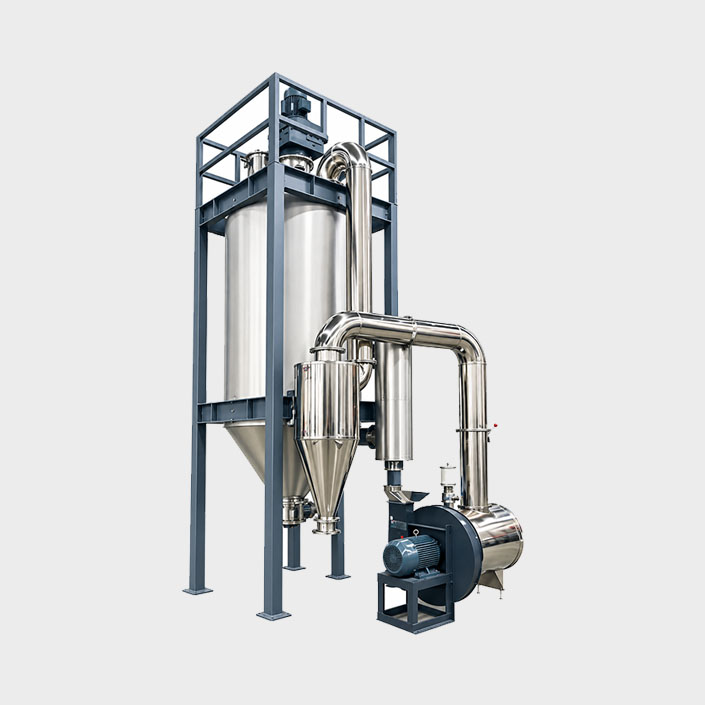
Key Ways a PET Crystallizer Machine Improves PET Processing
Integrating a reliable PET crystallizer machine into your production line solves multiple processing bottlenecks at once. Here is a closer look at how it elevates your entire manufacturing workflow.
1. Prevents Material Clumping and Agglomeration
The primary job of a plastic granules crystallizer is to prevent pellets from sticking to one another during heating.
Inside the crystallizer chamber, internal mixing arms continuously agitate the plastic granules while hot air circulates through the bed of material. This constant movement ensures that even as the plastic reaches its softening point, the individual granules cannot stick together. By keeping the pellets separate and free-flowing, you eliminate material bridging in hoppers and prevent costly machine blockages.
2. Enables High-Temperature Pre-Drying
PET is a hygroscopic material, meaning it readily absorbs moisture from the surrounding air. If moisture remains inside the plastic pellets during melting, it triggers a chemical reaction that weakens the molecular structure of the plastic. This results in brittle finished goods, visible surface defects, streaks, and poor structural strength.
However, you cannot efficiently dry amorphous PET at high temperatures because it will melt into a solid mass. By running the raw material through a crystallizer first, you raise the heat resistance of the granules. Once crystallized, the pellets can safely enter a high-temperature dehumidifying dryer to remove every trace of internal moisture without any risk of clumping.
3. Boosts Overall Processing Efficiency and Throughput
When raw material feeds consistently into your extruder or injection molding machine, the entire system operates faster and more predictably.
A continuous crystallization system provides a steady, pre-heated supply of ready-to-process granules directly to your downstream machinery. Because the material enters the extruder already warm and uniformly structured, the main processing machine requires less time and energy to melt the plastic. This leads to higher hourly output and smoother daily operations.
4. Improves Final Product Quality and Appearance
In plastic manufacturing, consistency in raw material directly translates to consistency in the final product.
Unevenly heated or partially wet PET pellets create inconsistency in melt viscosity. This leads to variations in wall thickness, weak spots, air bubbles, and cosmetic flaws in bottles, sheets, or containers. By ensuring that every single granule undergoes uniform crystallization and drying, you produce final items with high clarity, superior mechanical strength, and flawless surface finishes.
5. Optimizes the Use of Recycled PET (rPET)
With global focus shifting heavily toward sustainability, more manufacturers are incorporating post-consumer recycled PET flakes and regrind into their production lines.
Recycled PET is notoriously irregular in shape, density, and moisture content compared to virgin resin. Processing rPET directly often increases the risk of clumping and thermal degradation. A dedicated PET crystallizer machine stabilizes recycled material, homogenizing different batches of regrind and making recycled PET act much more like prime virgin resin during processing. This allows plant managers to increase their recycled content ratios without sacrificing product performance.
Comparing PET Processing Methods
To clearly see the difference a crystallizer makes, consider how raw PET behaves across different processing setups:
|
Processing Aspect |
Direct Drying (Without Crystallizer) |
Standard Drying (With Crystallizer) |
Continuous Crystallizer Processing |
|
Material Flowability |
High risk of sticking, bridging, and hopper blockages. |
Free-flowing, uniform material movement. |
Highly consistent, automated, and continuous flow. |
|
Moisture Removal |
Limited; low temperatures must be used to prevent melting. |
Deep, thorough drying at optimal high temperatures. |
Maximum moisture removal for crystal-clear final products. |
|
Machine Downtime |
Frequent stops for cleaning jammed hoppers and screws. |
Minimal downtime related to material feeding. |
Near-zero feeding interruptions; stable continuous runs. |
|
Suitability for Recycled PET |
Very difficult; high rate of defects and material waste. |
Moderate; requires careful batch monitoring. |
Excellent; easily handles post-consumer flakes and regrind. |
|
Product Defect Rate |
High (brittleness, cloudiness, weak structural walls). |
Low (consistent clarity and strength). |
Extremely low (high structural integrity and uniform finish). |
Common Challenges Resolved by a Plastic Granules Crystallizer
Every plant manager knows that unexpected downtime eats into profitability. Here are some real-world operational issues that a plastic granules crystallizer helps solve:
- Irregular Melt Behavior: When un-crystallized material enters the extruder barrel, uneven melting causes pressure fluctuations. A crystallizer ensures that every granule absorbs heat at the same rate, resulting in a stable, predictable melt pressure.
- Excessive Material Scrap: Substandard raw material prep often leads to high rejection rates during quality control. Proper crystallization significantly lowers scrap rates by eliminating moisture-related defects.
- Excess Energy Consumption: Trying to melt cold, irregular, or wet pellets in the primary extruder places heavy strain on the machine’s motor and heating bands. Pre-heating and crystallizing the granules beforehand optimizes overall power consumption across your line.
Choosing the Right Partner: Plastic Granules Crystallizer Machine Manufacturer
Investing in auxiliary plastic equipment is not just about purchasing a machine; it is about building a dependable foundation for your manufacturing facility. Choosing an experienced plastic granules crystallizer machine manufacturer ensures that your system is tailored to your specific material types, output goals, and plant layouts.
When evaluating manufacturing partners, look for the following pillars of reliability:
1. Robust Build and Material Compatibility
Different PET applications—whether bottle preforms, strapping tape, sheet extrusion, or recycling—require different heat cycles and throughput capacities. A leading manufacturer designs equipment that seamlessly handles virgin pellets, heavy regrind, and light recycled flakes without structural wear.
2. User-Friendly Automation and Controls
Modern plastic processing demands precise control over temperature and residence time inside the crystallizer. Partner with a manufacturer that offers intuitive, easy-to-operate control interfaces. Clear digital monitoring allows your operators to adjust settings quickly for different material grades without complex programming.
3. Energy-Conscious Engineering
Heat management is critical in plastic processing. Trusted manufacturers design their crystallizers with high-efficiency heating elements and insulated processing chambers to retain thermal energy, keeping operating costs manageable over long production runs.
4. Long-Term Support and Industry Expertise
A machine is only as good as the service behind it. Leading brands like Invoitplast build their reputation on practical industry experience, transparent guidance, and dependable post-installation support. Partnering with a supportive manufacturer ensures your team receives proper operational guidance, routine maintenance advice, and reliable spare parts whenever needed.
Best Practices for Operating Your PET Crystallizer
To get the absolute best performance and longest lifespan from your crystallization equipment, keep these operational best practices in mind:
- Match Airflow and Temperature to Material Type: Virgin resin and recycled flakes have different heat transfer rates. Always adjust your process temperatures according to the specific material grade being processed.
- Maintain Regular Inspection Cycles: Periodically check internal mixing blades and discharge valves to ensure smooth rotation and prevent dust buildup.
- Ensure Upstream Cleaning: If processing post-consumer recycled flakes, ensure the material is free from heavy paper, metal, or adhesive contamination before entering the crystallizer hopper.
- Monitor Residence Time: Ensure material spends sufficient time in the crystallization zone before being transferred to the dryer or extruder. Rushing raw material through too quickly can leave un-crystallized cores inside the pellets.
Final Thoughts
In the competitive world of plastic manufacturing, product quality, processing speed, and material versatility define success. Raw PET is a versatile and high-performing material, but its tendency to absorb moisture and stick when heated creates distinct challenges on the factory floor.
A PET crystallizer machine bridges the gap between raw, unpredictable plastic stock and a smooth, reliable production run. By stabilizing molecular structures, eliminating material clumping, enabling high-temperature drying, and supporting recycled materials, a plastic granules crystallizer protects your machinery and ensures top-tier finished products.
When upgrading your material processing capabilities, partnering with an established plastic granules crystallizer machine manufacturer like Invoitplast ensures you receive reliable equipment designed for long-term production stability, operational safety, and consistent product excellence.
Looking to optimize your PET material prep or upgrade your recycling line? Explore how modern crystallization solutions can streamline your factory floor today.
📞 Start Your Project with the Right Pulverizer Solution : +91 63546 02502 , info@invoitplast.com
FAQs
A plastic granules crystallizer is a machine used to convert amorphous PET granules into a more stable crystalline state through controlled heating and agitation. It helps prevent granules from sticking together during high-temperature drying and prepares the material for further plastic processing.
A PET crystallizer machine is used to prevent material clumping, improve granule flow, and prepare PET for high-temperature drying. It helps plastic manufacturers reduce material feeding problems and maintain consistent processing conditions before extrusion or injection moulding.
A plastic granules crystallizer heats and agitates PET granules to promote uniform crystallization. This helps reduce sticking, supports effective moisture removal during subsequent drying, and improves material feeding consistency for downstream processing equipment.
Amorphous PET granules may soften and stick together when exposed to high temperatures. This can cause material clumping, hopper blockages, feeding interruptions, and production downtime. Crystallization before high-temperature drying helps minimize these problems.
A PET crystallizer changes the physical structure of amorphous PET granules to help prevent sticking during heating. A PET dryer removes moisture from the material. In many PET processing applications, crystallization is performed before high-temperature drying.
Yes, a suitable PET crystallizer can be used to prepare compatible recycled PET materials, including certain PET flakes and regrind. Its suitability depends on the material's condition, size, moisture content, and the machine's design and operating requirements.
A PET crystallizer uses controlled heating and continuous agitation to help keep granules separated during the crystallization process. This reduces the risk of pellets sticking together and forming lumps that can obstruct hoppers or material feeding systems.
Proper PET crystallization, combined with suitable drying and processing conditions, helps reduce moisture-related processing problems. This can support more consistent product quality and help minimize defects such as brittleness, bubbles, and surface imperfections.
Plastic granules crystallizer machines are used in PET bottle preform manufacturing, packaging production, PET sheet extrusion, strapping tape production, and plastic recycling operations where PET material requires crystallization before further processing.
Choose a plastic granules crystallizer based on your PET material type, virgin or recycled material requirements, production capacity, downstream equipment, temperature control needs, automation preferences, and factory layout. Confirm these requirements with the manufacturer before selecting a machine.
Before purchasing a PET crystallizer machine, evaluate its compatibility with your material, heating and agitation arrangement, temperature controls, discharge system, maintenance requirements, and integration with your existing dryer or processing line. Also, discuss installation guidance and after-sales support.
Invoit Plast Machinery Pvt. Ltd., based in Ahmedabad, Gujarat, India, offers plastic processing and material handling machinery. Buyers looking for a PET crystallizer machine or plastic granules crystallizer can contact Invoit Plast to discuss their PET material preparation requirements and determine suitable equipment for their production line.