
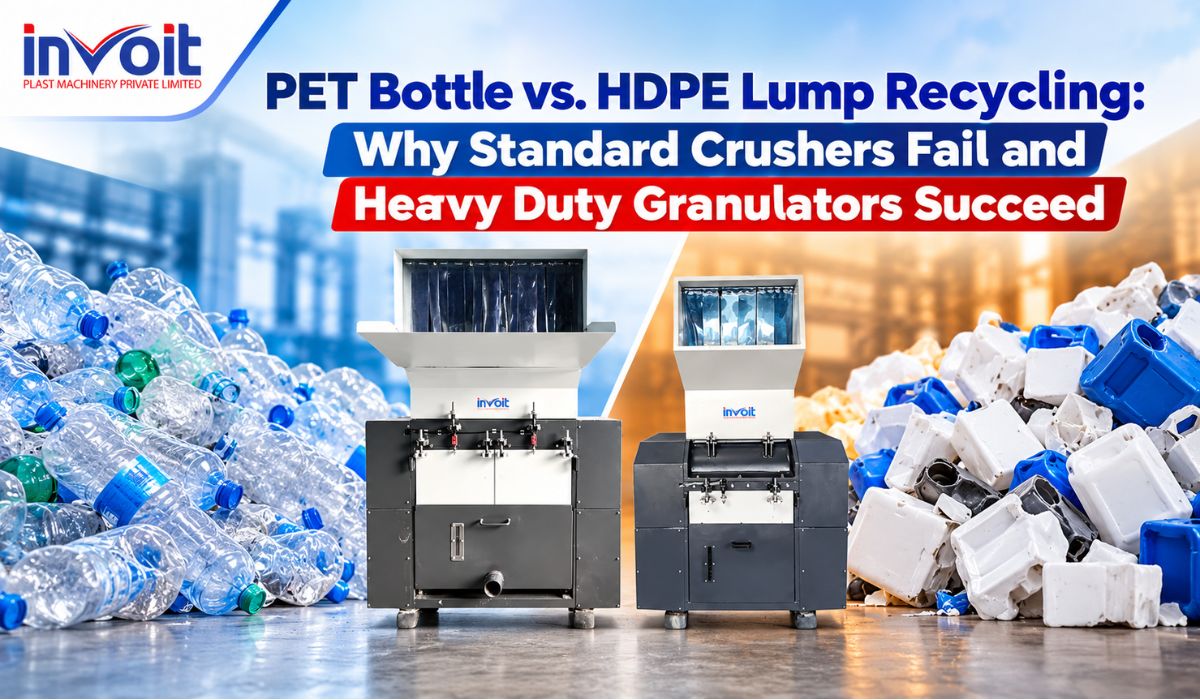
PET Bottle vs. HDPE Lump Recycling: Why Standard Crushers Fail and Heavy Duty Granulators Succeed
Plastic recycling businesses handle different types of plastic waste, and not every material can be processed in the same way. PET bottles and HDPE lumps are two common examples. Although both materials are recyclable, they behave differently during size reduction and require suitable recycling equipment.
A machine that works well for empty PET bottles may not deliver the same results when processing thick, solid HDPE lumps. Similarly, choosing equipment without considering the type of plastic waste can create problems such as inconsistent output, frequent interruptions, increased maintenance requirements, and difficulties in further processing.
This is where selecting the right Heavy Duty Granulator Machine becomes important.
For plastic recycling units, granule manufacturers, plastic product manufacturers, and scrap processing businesses, understanding the difference between PET bottle recycling and HDPE lump recycling can help in making a better equipment investment.
This article explains why standard crushers may struggle with certain plastic materials, how heavy duty granulators support different recycling requirements, and what buyers should consider before selecting a plastic size-reduction machine.
Understanding the Difference Between PET Bottles and HDPE Lumps
Before selecting a recycling machine, it is important to understand the material being processed.
PET bottles and HDPE lumps may both come from plastic waste, but their physical shapes, thicknesses, and processing requirements are different.
PET Bottle Scrap Recycling
PET bottles are commonly collected from beverage packaging, water bottles, household containers, and other packaging applications.
During recycling, these bottles need to be reduced into smaller pieces so that the material can move to the next processing stage.
PET bottle scrap often includes:
- Used drinking water bottles.
- Soft drink bottles.
- Transparent packaging containers.
- Coloured PET bottles.
- Rejected PET packaging.
- Post-consumer bottle waste.
One important consideration is that empty PET bottles are lightweight and can take up considerable space during storage and transportation.
A suitable PET bottle scrap heavy duty granulator helps reduce the size of these bottles, making the processed material easier to collect, handle, and transfer for further recycling.
However, the machine must be selected according to the condition of the bottles, the amount of material being processed, and the required output.
HDPE Lump Recycling
HDPE lumps are different from empty PET bottles.
They are generally thicker, more solid, and may have irregular shapes. They can come from rejected moulded products, production waste, plastic containers, manufacturing leftovers, and other rigid plastic applications.
Common HDPE recycling materials include:
- Rejected plastic moulded components.
- Thick plastic container waste.
- HDPE production lumps.
- Rigid plastic scrap.
- Plastic manufacturing rejects.
- Unusable plastic product leftovers.
Unlike empty bottles, solid HDPE lumps may require more effort to break into smaller pieces.
A machine selected mainly for lightweight bottle processing may not be suitable for regular HDPE lump recycling.
This difference makes material selection an important part of choosing a Plastic Granulator Machine.
Why Standard Crushers May Struggle With PET Bottles and HDPE Lumps
Standard crushers are used in many plastic processing and recycling facilities. They can be suitable for certain plastic waste applications, particularly when the material matches the machine’s intended use.
However, problems can arise when a machine is expected to process materials beyond its suitable working conditions.
The challenges can be different for PET bottles and HDPE lumps.
1. Difficulty Handling Different Plastic Shapes
PET bottles are hollow and lightweight, while HDPE lumps are often solid and irregular.
When different materials are fed into an unsuitable machine, they may not enter and move through the cutting area consistently.
This can affect the processing flow and make it difficult to maintain steady material handling.
A properly selected heavy duty granulator for rigid plastic recycling is designed around the requirements of the material it will process.
2. Problems With Thick and Solid Plastic Waste
One of the common challenges in rigid plastic recycling is handling thick plastic pieces.
Standard crushers intended for lighter plastic waste may struggle when regularly processing solid HDPE lumps.
The machine may experience difficult feeding, inconsistent cutting, or increased strain when the material is unsuitable for its intended application.
For businesses handling thick plastic waste regularly, selecting a machine specifically suited to that material is more important than simply choosing the lowest-priced option.
3. Inconsistent Output Material
The purpose of plastic size reduction is not only to break waste into smaller pieces.
The processed material should also be reasonably consistent for the next stage of recycling.
If the machine does not handle the incoming material properly, the output may contain pieces of different sizes.
This can create difficulties during collection, transfer, washing, and further processing.
Choosing the right cutting arrangement and machine design can help improve the consistency of the processed material.
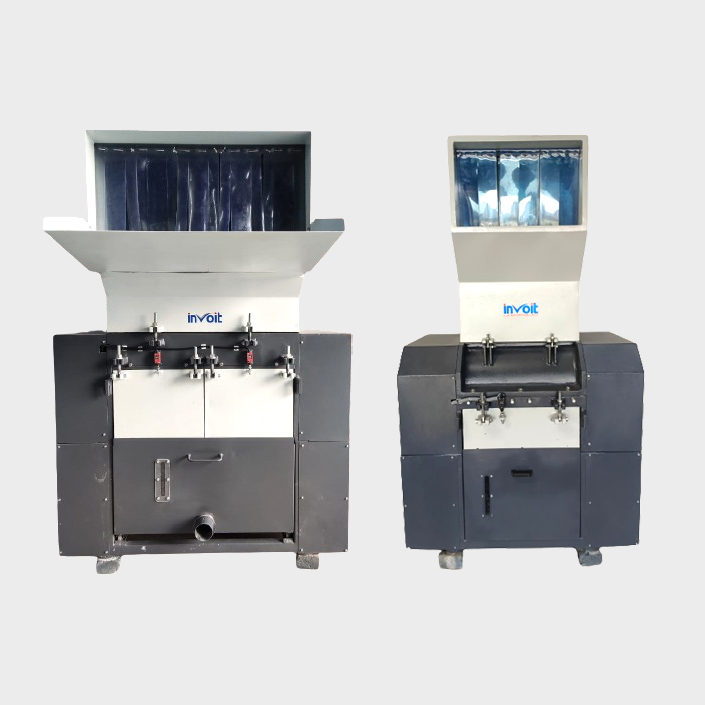
4. Increased Maintenance Requirements
Using a machine for materials it was not designed to process can increase wear on important working parts.
For example, regularly feeding thick plastic lumps into equipment intended for lighter plastic waste may place additional demands on its cutting parts.
This can result in more frequent maintenance requirements and interruptions to production.
A suitable heavy duty machine should be selected according to the actual plastic waste, expected operating conditions, and maintenance requirements of the recycling facility.
5. Difficulty Maintaining Production Flow
For recycling businesses, machine interruptions can affect the entire material handling process.
When the size-reduction machine cannot process incoming plastic waste consistently, workers may need to stop feeding material, remove unsuitable pieces, or manage accumulated scrap.
This can make daily production planning more difficult.
A suitable Heavy Duty Granulator Machine helps businesses select equipment according to their regular material processing requirements rather than relying on a general-purpose machine for every application.
How a Heavy Duty Granulator Machine Supports Plastic Recycling
A heavy duty granulator is used to reduce larger plastic waste into smaller pieces for further processing.
It is particularly relevant for recycling facilities that handle demanding plastic waste, including rigid plastic components and production rejects.
Unlike selecting a machine based only on its general description, buyers should consider how its construction, cutting arrangement, feeding method, and overall design match the material.
Here are some important areas where a suitable heavy duty granulator can support recycling operations.
Better Handling of Rigid Plastic Materials
Rigid plastic waste can include thick, solid, and irregularly shaped pieces.
A heavy duty granulator for rigid plastic recycling should be selected with these material conditions in mind.
Its suitability depends on the machine design and the type of plastic waste being processed.
This is important for manufacturers working with HDPE products, rejected moulded components, and other rigid plastic waste.
Suitable for Different Recycling Applications
Plastic recycling businesses do not always process one type of waste.
Some facilities handle PET bottle scrap, while others work with HDPE containers, rigid plastic products, or manufacturing rejects.
A properly selected plastic granulator machine can support the intended recycling application by reducing plastic waste into smaller pieces.
However, buyers should not assume that one machine will perform equally well with every plastic material.
The material type, thickness, shape, and condition should always be considered before selecting the machine.
Supports Further Plastic Processing
After size reduction, plastic waste may move through additional recycling stages.
Depending on the material and recycling process, these stages can include washing, drying, material separation, storage, and further processing.
The size-reduction stage is important because it prepares larger plastic waste for subsequent handling.
Selecting suitable granulation equipment can help establish a more organised recycling workflow.
Helps Manage Manufacturing Waste
Plastic manufacturers often generate rejected products, leftover material, and production waste.
Instead of treating all such material as unusable waste, businesses may process suitable plastic scrap for further recycling.
A heavy duty granulator can help reduce these rejected plastic items into smaller pieces.
The actual reuse possibilities depend on the material condition, cleanliness, and the manufacturer’s recycling process.
PET Bottle Recycling vs. HDPE Lump Recycling: What Should Buyers Consider?
Although both applications involve plastic waste reduction, their machine selection requirements are not identical.
When Processing PET Bottles
When selecting a granulator for PET bottle scrap, buyers should consider:
- Whether the machine is suitable for the type of PET bottles being processed.
- Whether the bottles are empty, compressed, or mixed with other waste.
- Whether the feeding arrangement supports regular material entry.
- Whether the output is suitable for the next recycling stage.
- Whether the machine can handle the expected daily material flow.
- Whether cleaning and routine maintenance are manageable.
PET bottle recycling businesses should avoid choosing equipment based only on the machine’s general category.
The actual bottle condition and processing requirements matter.
When Processing HDPE Lumps
HDPE lump recycling requires a different evaluation.
Buyers should pay attention to:
- The thickness and shape of the plastic lumps.
- Whether the waste comes from moulded products or manufacturing rejects.
- The type of HDPE material being processed.
- Whether the machine is suitable for solid rigid plastic waste.
- Whether the cutting arrangement matches the material.
- Whether the machine can maintain a consistent working process.
For regular rigid plastic recycling, a heavy duty granulator for rigid plastic recycling may be a more appropriate choice than equipment designed mainly for lightweight plastic waste.
Why Machine Selection Should Depend on the Material, Not Just the Price
Price is an important consideration when purchasing recycling equipment. However, selecting a machine only because it has a lower initial cost can create problems later.
A machine that is not suitable for the material may require additional attention, frequent maintenance, or changes to the working process.
Before purchasing a plastic granulator machine, buyers should understand their actual production requirements.
For example, a PET bottle recycling facility and an HDPE lump recycling unit should not automatically select the same machine simply because both process plastic waste.
The right selection should consider:
Material Type: Identify whether the facility processes PET bottles, HDPE lumps, rigid plastic scrap, or mixed plastic waste.
Material Condition: Understand whether the incoming scrap is thin, thick, hollow, solid, clean, or mixed with unwanted material.
Processing Requirements: Decide what type of output is required for the next recycling stage.
Daily Working Conditions: Consider how regularly the machine will operate and the expected amount of incoming material.
Maintenance Support: Understand the availability of replacement parts, maintenance assistance, and machine servicing.
Future Requirements: Consider whether the recycling business plans to process additional types of plastic waste in the future.
These points help buyers make a more informed equipment decision and avoid selecting machinery that does not match their actual application.
Common Mistakes to Avoid When Buying a Heavy Duty Granulator
Even experienced plastic recycling businesses can make mistakes when selecting new machinery.
Some of the most common mistakes include:
Choosing Based Only on Machine Price
A lower purchase price does not automatically mean better value.
Buyers should consider whether the machine is suitable for their material and working requirements.
Ignoring Material Thickness
Not all plastic waste has the same thickness or strength.
A machine suitable for thin plastic scrap may not be appropriate for thick HDPE lumps.
Assuming Every Granulator Processes Every Plastic
PET, HDPE, PVC, PP, and other plastics have different processing requirements.
Machine suitability should be checked for the actual material rather than assumed from the product name.
Not Checking the Output Requirement
The processed plastic should be suitable for the next stage of the recycling process.
Buyers should discuss their required output material with the manufacturer before finalising the machine.
Ignoring Maintenance and After-Sales Support
Machine maintenance is part of operating a recycling facility.
Before purchasing, businesses should understand routine maintenance requirements, replacement part availability, and the support offered by the manufacturer.
Avoiding these mistakes can help businesses choose recycling equipment with greater confidence.
How to Choose the Right Heavy Duty Granulator for Your Recycling Business
Selecting the right machine begins with understanding the actual work that needs to be completed.
Rather than selecting equipment based only on its name, buyers should discuss their application with the manufacturer.
A few important questions can help:
What material will you process?
Clearly identify whether the main requirement is PET bottle scrap, HDPE lumps, rigid plastic scrap, or manufacturing rejects.
What does the incoming material look like?
The size, thickness, shape, and condition of the scrap can influence machine selection.
What output do you require?
Explain the type of processed plastic needed for your next recycling operation.
How will the material be supplied to the machine?
Discuss the feeding process and how material will move through the recycling area.
What support will be available after installation?
Ask about machine operation guidance, maintenance, and service support.
Providing these details allows the manufacturer to understand the application and recommend a suitable machine.
Why Consider Invoit Plast for Heavy Duty Granulator Requirements?
Selecting a plastic recycling machine is an important decision for manufacturers and recycling businesses.
The equipment should match the material, working conditions, and intended recycling application.
Invoit Plast Machinery Pvt. Ltd. is based in Ahmedabad, Gujarat, India, and operates in the plastic processing machinery and material handling equipment industry.
For businesses exploring a Heavy Duty Granulator Machine, understanding the intended application is an important starting point.
Invoit Plast focuses on helping buyers identify machinery according to their plastic processing requirements.
When discussing a heavy duty granulator requirement, buyers can share details such as:
- Whether they process PET bottles or HDPE lumps.
- The type of rigid plastic scrap they handle.
- The condition and shape of their incoming material.
- Their expected production requirements.
- The output needed for further recycling.
This information helps establish whether the proposed machine is suitable for the intended application.
For manufacturers, recycling units, and plastic scrap processors, choosing machinery according to actual material requirements is more valuable than relying on general product descriptions.
Final Thoughts: Choose the Right Granulator for Better Plastic Waste Processing
PET bottle recycling and HDPE lump recycling may appear similar because both involve reducing plastic waste into smaller pieces. However, their material characteristics and processing requirements are different.
Empty PET bottles are lightweight and hollow, while HDPE lumps are often thicker, solid, and irregular in shape.
A standard crusher may work well for the materials it was designed to process, but it may not be the right choice for demanding rigid plastic applications.
A properly selected Heavy Duty Granulator Machine can offer a more suitable approach for businesses handling PET bottle scrap, HDPE lumps, and other rigid plastic waste, provided that the machine is designed for the intended material.
The most important step is to understand the plastic waste, evaluate the required output, and select equipment according to the actual working conditions.
If your business is planning to improve its plastic recycling process, choosing the right granulator can be an important part of building a more organised and suitable material recovery operation.
📞 Start Your Project with the Right Pulverizer Solution : +91 63546 02502 , info@invoitplast.com
FAQs
A Heavy Duty Granulator Machine is used to reduce large plastic waste into smaller pieces for further recycling and processing. It is commonly considered for applications involving PET bottle scrap, HDPE lumps, rigid plastic waste, rejected moulded products, and plastic manufacturing leftovers. The machine should be selected according to the type, size, and condition of the plastic material.
PET bottle recycling involves processing lightweight, hollow plastic bottles, while HDPE lump recycling involves reducing thicker, solid, and irregular plastic pieces. Both require suitable size-reduction equipment, but their material handling requirements are different. Therefore, the granulator should be selected according to the plastic material being processed.
Standard crushers designed mainly for lighter plastic waste may struggle when regularly processing thick HDPE lumps. The solid and irregular shape of these materials can create feeding difficulties, inconsistent cutting, and additional strain on machine parts. A suitable heavy duty granulator for rigid plastic recycling should be considered for such applications.
Yes, a Heavy Duty Granulator Machine can be suitable for PET bottle scrap when its design and feeding arrangement match the bottle processing requirements. Buyers should consider the bottle condition, material quantity, feeding method, and required output before selecting a PET bottle scrap heavy duty granulator.
A heavy duty granulator designed for rigid plastic recycling can be suitable for HDPE lump processing. Since HDPE lumps are generally thicker and more solid than empty plastic bottles, buyers should evaluate the machine's cutting arrangement, feeding suitability, and ability to handle the intended material.
Some plastic granulator machines may be suitable for processing both materials, but this depends on the machine design and application requirements. PET bottles and HDPE lumps have different shapes and thicknesses. Buyers should confirm the suitability of the machine with the manufacturer before using it for both applications.
Depending on its design, a Heavy Duty Granulator Machine can be used for PET bottle scrap, HDPE lumps, rigid plastic components, rejected moulded products, and plastic manufacturing waste. Not every granulator is suitable for every plastic type, so material compatibility should always be checked before purchasing.
A heavy duty granulator helps reduce larger plastic waste into smaller pieces, making the material easier to collect, handle, and transfer for further recycling. It can support recycling operations that process rigid plastic scrap, HDPE waste, PET bottles, and manufacturing rejects when the machine is suitable for the application.
Before purchasing an industrial plastic granulator, check the type of plastic waste, material thickness, scrap condition, feeding requirements, expected production needs, required output, and maintenance support. These factors help determine whether the selected machine is suitable for your recycling operation.
Machine selection is important because PET bottles and HDPE lumps have different physical characteristics. Choosing unsuitable equipment may cause feeding difficulties, inconsistent output, additional maintenance, and production interruptions. Selecting a machine according to the actual plastic material helps create a more suitable recycling process.
The performance of a Heavy Duty Granulator Machine depends on factors such as the type of plastic, material thickness, scrap condition, feeding method, machine design, and maintenance practices. Understanding these factors helps buyers select equipment that matches their intended plastic recycling application.
To choose the right Heavy Duty Granulator Machine, first identify whether you process PET bottles, HDPE lumps, or other rigid plastic waste. Then consider the material size, thickness, expected production requirements, feeding method, required output, and maintenance support. Sharing these details with a manufacturer such as Invoit Plast can help you discuss a suitable machine for your application.