
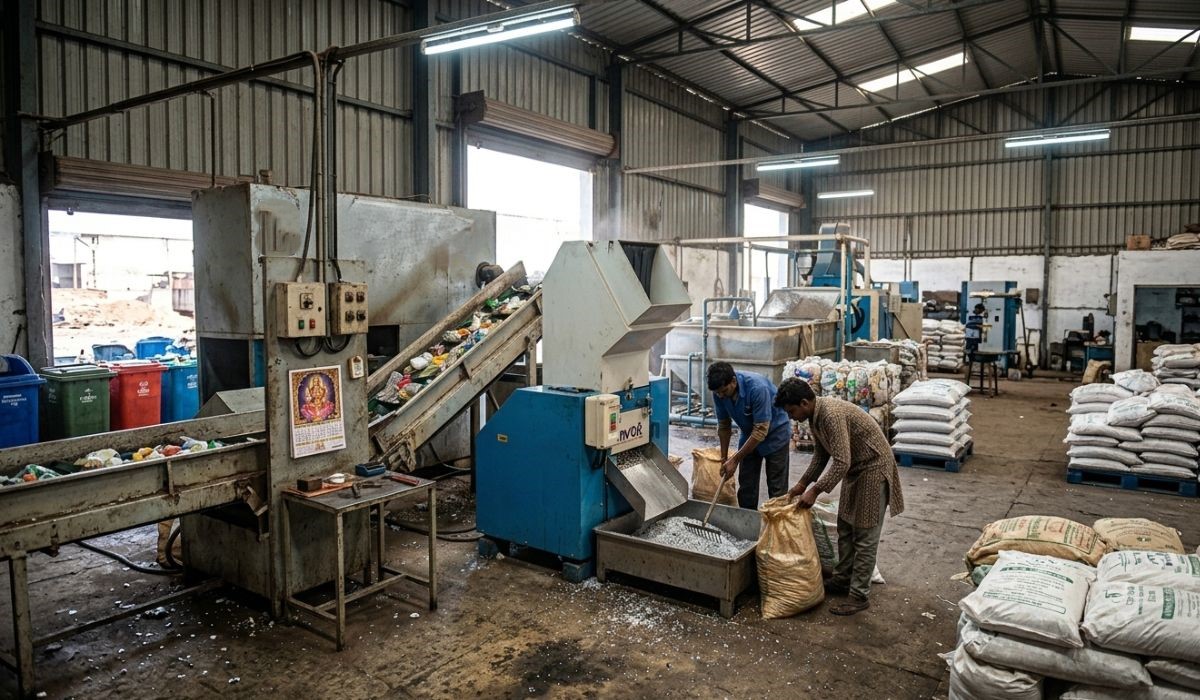
How to Prevent Dust and Fines in Your Medium Duty Granulator Machine
In the world of industrial plastic recycling, consistency is everything. Whether you are running a small startup or a growing recycling facility, the performance of your medium duty granulator machine directly impacts the quality of your output and, ultimately, your profit margins.
One of the most persistent challenges operators face is the generation of “dust and fines.” These tiny, powdery particles are more than just a housekeeping nuisance; they can indicate inefficient processes, wasted material, and potential equipment wear. If you find your workspace covered in fine powder or your regrind quality suffering, you are losing value.
At Invoit Plast, as a leading plastic granulator machine manufacturer, we have seen how subtle adjustments to your operation can make a massive difference. In this guide, we will break down the causes of dust and fines and how you can optimize your setup to ensure high-quality, clean output every time.
Why Dust and Fines Are a "Hidden" Problem
Many operators treat dust as an unavoidable by product of grinding plastic. While some dust is natural during the shearing process, an excess is a red flag.
When your plastic waste granulator machine creates too many fines, you aren’t just creating a mess—you are losing good polymer. This powder is often difficult to reprocess, and in many cases, it ends up as waste or significantly lowers the grade of your finished product. By controlling these particles, you improve the density of your regrind, which translates to better performance in your injection moulding or extrusion machines.
1. The Role of Blade Sharpness
The most common culprit behind excessive fines is dull blades. Think of your granulator’s cutting chamber like a pair of high-quality kitchen scissors. When the scissors are sharp, they slice cleanly through a material. When they are dull, they tear, crush, and mangle it.
In a granulator, dull knives act more like hammers. Instead of cleanly cutting the plastic, they crush it against the screen. This crushing action generates heat and shreds the plastic into tiny, irregular shards—your dust.
The Fix: Establish a strict knife-sharpening schedule. Relying on “when it feels dull” is rarely effective. Keep a set of spare knives ready so that when it’s time to swap, you can do so immediately without long production downtime. Partnering with a reliable granulator machine manufacturer like Invoit Plast ensures you have access to high-grade, durable steel knives designed for specific materials.
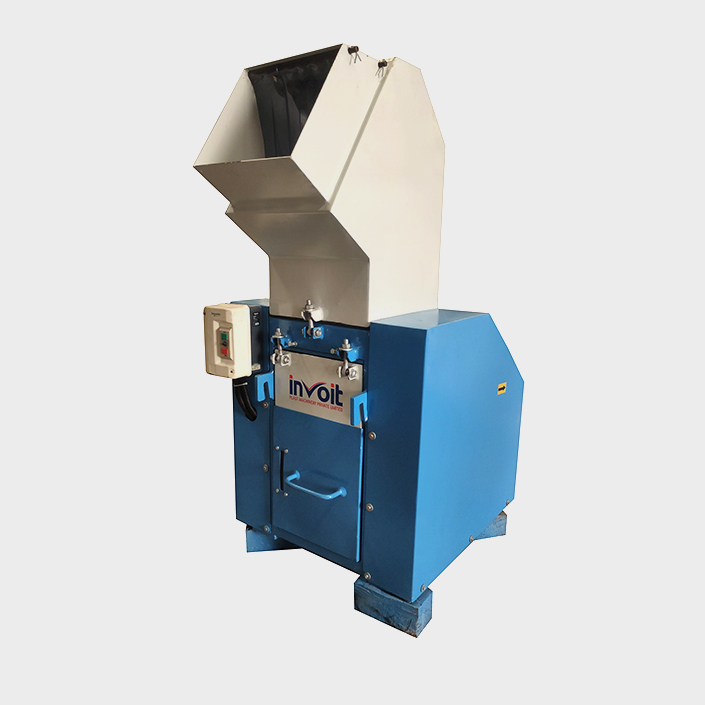
2. Maintaining Proper Knife Clearances
Even sharp knives won’t perform well if they are incorrectly positioned. The clearance between the rotor blades and the bed knives (the stationary blades) is critical.
If this gap is too wide, the plastic can pass through without being properly sheared. It gets “chewed” repeatedly, leading to uneven flakes and a high amount of dust. If the gap is too narrow, you run the risk of the knives hitting each other, which causes immediate damage.
The Fix: Check your manual or consult your manufacturer’s guidelines for the exact clearance measurements. This setting should be checked every time you change or sharpen the blades. Consistent knife-to-knife clearance is one of the hallmarks of a professional-grade plastic recycling machine manufacturer.
3. Screen Selection and Maintenance
The screen at the bottom of the cutting chamber acts as the “gatekeeper” of your machine. It dictates the size of the material that leaves the machine. If the screen is worn, holes may become deformed, or the edges may become rounded.
Furthermore, if your screen is too large for the specific material you are processing, the plastic will stay in the chamber longer than necessary. This leads to “over-grinding,” where the plastic is shredded repeatedly by the rotor until it becomes a fine powder.
The Fix: Match your screen size to the material requirements. Don’t use a screen meant for bulky waste if you are processing thinner, more brittle plastics. Also, inspect your screens for “blinding,” where holes are plugged with plastic. A plugged screen forces the machine to work harder and generates more heat, which inevitably leads to more dust.
4. Understanding Material Feed Rates
There is a temptation to “feed the machine” as fast as possible to maximize output. However, overloading your medium duty granulator machine is a fast track to producing fines.
When you flood the cutting chamber, the plastic has nowhere to go. It gets trapped between the blades and the screen, creating friction, heat, and excessive shearing. This is especially true for softer plastics that can become “gummy” when heated.
The Fix: Practice “controlled feeding.” Use a steady, consistent flow. If your machine allows, consider an automatic conveyor or feed system to maintain a constant rate. A steady flow keeps the machine running at its optimal temperature and allows the blades to do their job cleanly.
5. Heat Management and Airflow
Plastic dust is often exacerbated by heat. As the granulator runs, friction builds up. If your plastic starts to soften or melt during the grinding process, it will smear and turn into a sticky dust that clings to the machine’s interior and clogs your screens.
The Fix: Ensure your granulator has adequate airflow. Modern systems are designed to keep the cutting chamber cool. If you notice the machine is running hotter than usual, check your intake and discharge areas. If your throughput is high, consider an external cooling system or a dust extraction unit that actively pulls fine particles out of the chamber.
6. The Importance of Machine Quality
Not all granulators are created equal. Many of the problems related to dust and fines are baked into the design of the machine itself.
A well-engineered granulator uses heavy-duty rotors and precise machining to ensure that the cutting geometry is perfect. Cheap, poorly manufactured machines often lack the necessary balance or structural rigidity to handle consistent loads, leading to vibrations. These vibrations cause the knives to “chatter,” which results in an inconsistent grind and, you guessed it, more fines.
At Invoit Plast, we believe that the foundation of a clean, efficient recycling operation is the build quality of the machine. When you invest in a machine from a reputable plastic recycling machine manufacturer, you are investing in precision-engineered components that are designed to handle years of continuous, high-performance operation.
Why Operator Training Matters
We have visited countless plants where the machine was top-of-the-line, yet the output was poor. In almost every case, the issue was operator training.
An experienced operator knows the “sound” of a healthy machine. They know when the plastic being fed is too thin, when the blades are starting to lose their edge, or when the feed rate is too aggressive.
We encourage all our clients to involve their operators in the maintenance process. Encourage them to inspect the screens daily and to listen for changes in the grinding rhythm. When the person running the machine understands why dust is formed, they become your best defence against it.
The Invoit Plast Advantage
Choosing the right partner is the most important step in your recycling journey. At Invoit Plast, we don’t just sell machines; we provide solutions that help your business grow. As an experienced granulator machine manufacturer in India, we understand the unique challenges faced by the plastic recycling industry.
Our medium duty granulators are designed with the end-user in mind. We prioritize:
- Ease of Maintenance: Quick access to the cutting chamber for knife swaps and screen cleaning.
- Durability: Robust construction that minimizes vibration and ensures long-term precision.
- Customization: We work with you to understand the specific materials you are processing so we can configure the machine for the best possible results.
Final Thoughts
Preventing dust and fines is an ongoing process of monitoring and maintenance. By focusing on blade sharpness, knife clearance, proper feeding techniques, and consistent maintenance, you can significantly reduce waste and improve the quality of your regrind.
Remember, your granulator is the heart of your recycling facility. Treat it with the care it deserves, and it will reward you with clean, usable plastic flakes that maximize your value and efficiency.
If you are looking to upgrade your current equipment or are in the early stages of setting up your recycling facility, reach out to us at Invoit Plast. Let’s discuss how we can help you streamline your operation and achieve the efficiency you need to succeed.
Ready to optimize your plastic recycling process? Contact Invoit Plast today for professional consultation on high-performance granulator solutions.
Contact US :
FAQs
Excessive dust and fines are usually caused by dull blades, incorrect knife clearance, overloaded feeding, worn screens, or excessive heat inside the cutting chamber. When the plastic is crushed instead of cleanly cut, it creates powder-like particles that reduce regrind quality and increase material loss.
Blade sharpening frequency depends on the type of plastic material, operating hours, and production volume. For consistent performance, operators should inspect blades regularly and maintain a preventive sharpening schedule rather than waiting until cutting efficiency drops. Sharp blades help reduce dust, heat generation, and energy consumption.
Proper knife clearance ensures clean and efficient cutting of plastic scrap. If the gap between rotor and bed knives is too wide, the material gets chewed repeatedly, creating more fines. If the gap is too tight, blade damage can occur. Correct knife settings improve granule quality and machine lifespan.
Yes. Using the wrong screen size can lead to over-grinding of plastic materials. When plastic remains inside the chamber for too long, it gets repeatedly shredded into smaller particles and dust. Choosing the correct screen size helps maintain uniform regrind quality and minimizes material wastage.
Overfeeding the machine creates excessive friction and heat inside the cutting chamber, which increases fines and dust formation. A controlled and consistent feed rate allows the blades to cut efficiently while maintaining stable operating temperatures for better output quality.
Brittle plastics, thin-wall materials, and overheated soft plastics are more likely to generate fines during granulation. Materials such as acrylic, brittle PP, or thin PET scraps can break into powder if blade sharpness, screen size, or machine settings are not optimized properly.
Proper airflow and cooling systems help prevent plastic from softening or melting during grinding. When the cutting chamber becomes too hot, plastic smears and creates sticky dust that clogs screens and reduces efficiency. Cooling systems and dust extraction units help maintain clean operation and better granule quality.
Trained operators can quickly identify warning signs such as unusual machine sounds, excessive vibration, overheating, or inconsistent granule size. Proper operator knowledge helps maintain optimal feed rates, blade conditions, and machine settings, reducing dust formation and improving recycling efficiency.
A reliable Invoit Plast Machinery Pvt. Ltd. or any trusted granulator machine manufacturer should offer durable machine construction, precision-engineered cutting chambers, easy maintenance access, low vibration operation, and customization options based on material type and production requirements.
A well-designed medium duty granulator machine improves cutting precision, reduces dust and material loss, lowers maintenance downtime, and produces consistent regrind quality. This helps plastic recycling businesses increase productivity, reduce waste, and improve the overall profitability of their recycling operations.