
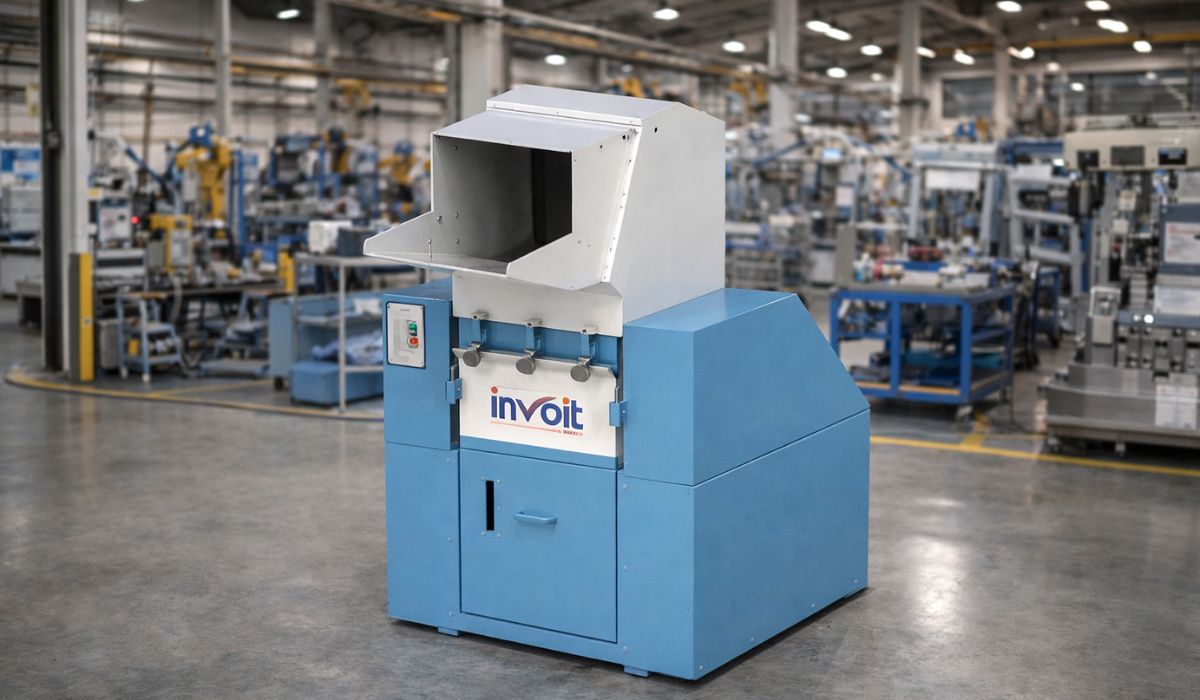
Why is Your Plastic Grinder Machine Overheating? — Causes & Solutions
If you run a plastic recycling or manufacturing plant, you already know the familiar hum of a busy factory floor. But when that hum turns into a straining noise, accompanied by the distinct smell of melting plastic and a machine that is hot to the touch, you have a serious problem on your hands.
A Plastic Grinder Machine is the workhorse of your recycling line. When it overheats, it doesn’t just slow down production; it threatens the quality of your output, increases your energy bills, and puts your entire operation at risk of unexpected downtime.
At Invoit Plast, we have spent years working closely with factory owners and operators. We understand the frustration that comes with equipment failure. In this comprehensive guide, we are going to walk you through exactly why your machine is overheating and, more importantly, how you can fix it and prevent it from happening again.
The Hidden Cost of an Overheating Machine
Before we dive into the causes, it is crucial to understand why ignoring a hot machine is a costly mistake. Overheating is not just a minor inconvenience. It is a symptom of a machine working much harder than it should.
When a plastic grinding machine runs too hot, the plastic inside can begin to melt rather than cut. This creates a sticky, gooey mess that clogs the screens and jams the cutting chamber. Furthermore, excessive heat degrades the quality of the recycled plastic granules, making them less valuable. Worst of all, continuous overheating will eventually destroy the motor and bearings, leading to massive repair bills and days of lost production.
To protect your investment, you need to identify the root cause immediately.
Top Causes of Plastic Grinder Machine Overheating
1. Dull or Blunt Cutting Blades
This is the number one culprit we see on the factory floor. Think about cutting a ripe tomato. If your knife is sharp, it slices cleanly with almost no effort. If the knife is dull, you have to push down hard, smashing the tomato and creating friction.
Your machine works the exact same way. When the blades inside your Plastic Scrap Grinder Machine lose their edge, they stop cleanly slicing the plastic scrap. Instead, they begin to smash, tear, and beat the material. This immense friction generates a massive amount of heat very quickly.
Real-World Industrial Insight: A clear sign of dull blades is the output. If your machine is producing a lot of fine dust and powder instead of clean, uniform plastic flakes, your blades are likely blunt and causing internal friction.
2. Overfeeding and Choking the Chamber
We understand the pressure of factory quotas. Operators often want to process as much scrap as possible in the shortest amount of time. However, dumping too much material into the hopper at once is a guaranteed way to overheat the motor.
When the cutting chamber is stuffed beyond its capacity, the blades cannot spin freely. The motor has to draw extra electrical current to force the blades through the dense pile of plastic. This electrical strain translates directly into excess heat in the motor and the machine’s body.
3. Processing the Wrong Type of Material
Not all plastics are created equal. A machine set up to grind lightweight PET bottles might struggle if you suddenly feed it thick, heavy purgings or dense lumps of HDPE without adjusting the setup.
Heavy or highly elastic plastics require more cutting force. If the machine is not designed or adjusted for that specific type of toughness, the prolonged effort will cause the system to overheat. Pushing a machine beyond its intended material limits is a fast track to thermal overload.
4. Clogged or Incorrect Screen Sizes
At the bottom of your plastic grinding machine sits a screen that dictates the final size of your plastic flakes. If the holes in this screen are too small for the type of material you are processing, the plastic cannot exit the chamber fast enough.
The material ends up swirling around the blades over and over again, generating friction with every extra rotation. Similarly, if the screen is clogged with melted plastic or debris, the airflow is restricted, and the heat gets trapped inside the cutting chamber.
5. Lack of Routine Maintenance and Lubrication
A grinder is a heavy-duty mechanical system with rapidly moving parts. Those parts rely on bearings to spin smoothly. If those bearings are dry, worn out, or packed with plastic dust, they will generate severe metal-on-metal friction.
Skipping regular greasing and maintenance schedules might save a few minutes today, but it will inevitably lead to an overheating crisis tomorrow.
6. Poor Factory Ventilation
Sometimes, the problem isn’t just the machine; it’s the environment. Plastic grinding is naturally a high-energy process. If your machine is crammed into a tight corner of the factory with poor airflow, the heat it generates has nowhere to go. During the peak days of summer, a lack of ambient cooling can push a normally functioning machine into the danger zone.
How to Cool Down and Prevent Overheating
Now that we know the causes, let’s look at how you can solve these issues and keep your production line running smoothly.
Implement a Strict Blade Sharpening Schedule
Do not wait until the machine is smoking to check your blades. Establish a routine schedule to inspect, sharpen, or replace the blades. The frequency will depend on how many hours a day you run the machine and what type of plastic you are grinding. Sharp blades are the easiest and most effective way to reduce operating temperatures and save on electricity costs.
Train Your Operators on Controlled Feeding
Human error is a major factor in machine wear and tear. Spend time training your floor operators on the importance of a steady, controlled feed rate.
Real-World Industrial Insight: Instead of manually dumping large bins all at once, consider installing a conveyor belt system. A conveyor provides a consistent, metered flow of material into the grinder, preventing sudden overloads and keeping the motor running at a steady, cool pace.
Match the Screen to the Material
Always ensure you are using the correct screen size for the job. If you are grinding large, thick pieces of scrap, start with a larger screen to allow the material to exit quickly. You can always run it through a secondary, smaller grinder if finer flakes are needed. Regularly pull the screen out and clean it thoroughly to ensure proper airflow.
Stick to a Preventative Maintenance Plan
Create a simple checklist for your maintenance team. Bearings should be greased according to a strict schedule. Drive belts should be checked for proper tension—if a belt is slipping, it creates friction and heat. Keeping the machine clean, both inside and out, allows the metal to naturally dissipate heat into the air.
Improve Airflow Around the Machine
Take a walk around your factory floor. Ensure there is plenty of breathing room around the motor and the cutting chamber of your grinder. If the area is stagnant, consider installing industrial fans to blow ambient heat away from the equipment.
When Is It Time to Upgrade Your Equipment?
Sometimes, despite your best maintenance efforts and operator training, an old machine simply cannot keep up with your growing business demands. If you find that your grinder is constantly overheating, frequently breaking down, or struggling to process the volume of scrap you need it to, it may be time to look for a replacement.
Older machines often lack the modern engineering, efficient motor designs, and robust cooling geometries found in today’s equipment. Upgrading to a modern system can drastically reduce your downtime, lower your energy consumption, and eliminate the daily headache of nursing an overheating machine.
Why Choosing the Right Manufacturer Matters
When it comes time to invest in new equipment, the build quality of the machine makes all the difference. You need a machine built for the harsh realities of the factory floor, not just something that looks good in a brochure.
As a trusted Plastic Grinder Machine Manufacturer in India, Invoit Plast takes pride in engineering solutions that solve real-world problems. We understand that our clients need machines that can run shift after shift without faltering.
Here is how our approach helps prevent the common issues we’ve discussed:
- Heavy-Duty Construction: We use high-grade materials that absorb vibration and dissipate heat effectively, ensuring a longer lifespan for the machine.
- Precision Engineering: Our cutting chambers are designed for optimal airflow and efficient material discharge, preventing the clogs and friction that lead to overheating.
- Operator-Friendly Designs: We build machines that are easy to open, clean, and maintain. When maintenance is easy, it actually gets done, protecting your investment.
- Expert Guidance: We don’t just supply machines; we partner with you. We help you choose the exact right rotor design, blade configuration, and screen size for the specific type of plastic scrap you need to process.
When you choose a reliable manufacturer, you aren’t just buying a piece of metal; you are buying peace of mind, reliable production, and a team that stands behind their product.
Let's Keep Your Production Running Smoothly
An overheating plastic grinder machine is a serious warning sign, but it is usually a solvable problem. By keeping your blades sharp, training your operators, and maintaining your equipment, you can keep your factory running safely and efficiently.
However, if your current equipment is holding your business back, it might be time for an upgrade.
Are you looking to improve your plastic recycling line with machinery that works as hard as you do? Contact Invoit Plast today. Our team of experts is ready to discuss your specific operational needs and help you find the perfect, high-efficiency grinding solution to scale your business. Let’s build a more productive and profitable future together.
Email : info@invoitplast.com , service@invoitplast.com, sales@invoitplast.com
Phone Number : +91 63546 02502, +91 63546 02503, +91 63546 02504
FAQs
A Plastic Grinder Machine usually overheats due to dull blades, overfeeding of material, clogged screens, insufficient lubrication, worn bearings, poor ventilation, or processing materials beyond the machine's capacity. These issues create excessive friction and increase motor load, resulting in higher operating temperatures.
Common signs of overheating include excessive machine temperature, a burning smell, unusual motor noise, reduced grinding efficiency, melted plastic inside the chamber, frequent motor trips, and increased production of plastic dust instead of uniform flakes.
Yes. Dull or blunt blades are one of the most common causes of overheating. Instead of cutting plastic efficiently, worn blades create excessive friction by tearing and crushing the material, which generates significant heat inside the grinding chamber.
Blade sharpening frequency depends on the type of plastic being processed and operating hours. Most manufacturers recommend inspecting blades regularly and sharpening or replacing them whenever grinding quality decreases or energy consumption increases.
Yes. Feeding excessive plastic scrap into the grinder overloads the motor and cutting chamber. This forces the machine to work harder, increasing electrical consumption, generating heat, and potentially causing premature motor failure.
The screen controls the size of the output material. If the screen holes are too small or become clogged, plastic cannot exit the chamber efficiently. This causes material recirculation, increased friction, restricted airflow, and overheating.
Regular maintenance helps reduce friction and mechanical stress. Routine lubrication of bearings, cleaning of screens, inspection of belts, tightening of components, and timely blade replacement can significantly reduce overheating risks and extend machine life.
Yes. Poor factory ventilation and high ambient temperatures can make it difficult for the machine to dissipate heat effectively. Installing industrial ventilation systems or cooling fans around the grinder can help maintain safe operating temperatures.
You should consider upgrading if your machine experiences frequent overheating, excessive downtime, high energy consumption, recurring repairs, or cannot handle your current production requirements efficiently. Modern grinders often offer better cooling, durability, and productivity.
A reliable Plastic Grinder Machine Manufacturer designs equipment with proper airflow, heavy-duty construction, precision-engineered cutting chambers, quality bearings, and efficient motor systems. These features help minimize friction, improve cooling, and ensure long-term operational reliability.
The fastest way is to stop the machine immediately, inspect the blades, check for screen blockages, reduce the feed rate, verify bearing lubrication, and allow the motor to cool before restarting. Identifying and correcting the root cause helps prevent recurring overheating issues.