

How Medium Duty Granulators Solve In-House Plastic Scrap Challenges for Injection Molders
Every injection molding facility faces a common daily challenge: plastic scrap. No matter how precise your machines are or how experienced your operators are, scrap is an inevitable byproduct of the manufacturing process. Sprues, runners, startup purges, and defective parts quickly pile up on the shop floor.
For many plant managers and business owners, this scrap feels like a double loss. First, you spent good money on virgin raw material that ended up as waste. Second, storing, handling, or disposing of that waste costs time, space, and extra labor.
If you leave scrap unmanaged, it clutters your workspace, creates safety hazards, and eats directly into your profit margins. Sending scrap to third-party recyclers often results in low returns and risks material contamination. On the other hand, attempting to process large volumes of scrap with small, underpowered equipment leads to constant breakdowns and production delays.
This is where a Medium Duty Granulator Machine becomes a game-changer. Positioned right between light beside-the-press units and massive industrial shredders, medium duty granulators offer the perfect balance of strength, capacity, and efficiency.
In this article, we will explore how implementing the right Plastic Granulator Machine solves in-house scrap challenges, improves workplace safety, lowers raw material costs, and strengthens your manufacturing operations.
The Hidden Cost of Unmanaged Plastic Scrap on the Factory Floor
Walk through almost any active injection molding shop, and you will likely spot gaylords, bins, or bags filled with scrap plastic. While scrap might seem like a minor byproduct, unmanaged scrap generates several hidden costs that impact your bottom line every single day.
1. Loss of Raw Material Value
Plastic resin is one of the largest ongoing expenses for any molder. When runners and rejected parts are set aside and left unused, thousands of dollars in usable material sit idle. With raw material prices remaining volatile, letting high-quality plastic go to waste is simply bad business.
2. Wasted Floor Space and Storage Bottlenecks
Shop floor space is premium real estate. Bins of loose, bulky sprues and defective molded parts take up valuable space that could otherwise be used for finished goods, extra molding machines, or smooth operator movement.
3. High Risk of Material Contamination
When scrap accumulates in open containers across the floor, it accumulates dust, oil, floor debris, and cross-contamination from other polymer types. Once a batch of scrap is contaminated, it can no longer be reintroduced into your production line without risking part defects, nozzle clogs, or structural weaknesses in finished products.
4. Excessive Labor and Handling Costs
Moving bulky scrap around the factory, loading it onto trucks, or manually breaking down large defective parts requires labor hours that could be better spent on core production tasks.
Understanding the Medium Duty Granulator Machine
To solve scrap challenges effectively, molders need equipment that matches their specific production scale. Plastic granulators generally fall into three main categories: light-duty (beside-the-press), medium-duty, and heavy-duty central granulators.
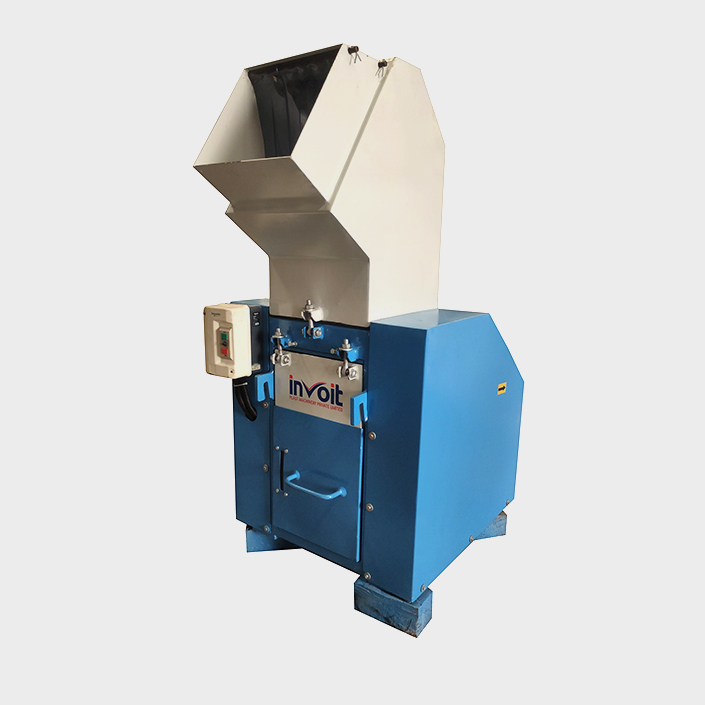
A Medium Duty Granulator Machine is specifically designed for molders who generate moderate to continuous volumes of scrap. It offers the versatility to handle a broad range of scrap types—from lightweight runners and thin-walled parts to medium-thickness housings, container caps, automotive trim, and pipe fittings.
Key Characteristics of a Medium Duty Granulator:
- Versatile Feeding Options: Accepts sprues, runners, and medium-sized rejected parts without requiring manual pre-cutting.
- Balanced Footprint: Fits comfortably into most plant layouts without demanding massive dedicated floor space.
- Consistent Particle Size: Produces clean, uniform regrind that mixes smoothly with virgin material in feeders and hoppers.
- Durable Construction: Built with heavy-gauge materials and robust cutting mechanisms to handle continuous daily shifts without overheating or jamming.
By bridging the gap between small units and heavy machinery, medium-duty units provide a practical, cost-effective workhorse for mid-sized and growing injection molding facilities.
Real-World Scrap Challenges Solved by Medium Duty Granulators
Implementing a medium duty granulator changes the operational workflow of an injection molding plant. Here is how it directly solves everyday shop floor problems.
1. Instant Closed-Loop Recycling
Instead of letting sprues and runners sit in storage for weeks, a medium duty granulator allows you to process material almost immediately. Clean regrind can be blended directly back into the feed hopper with virgin resin at approved ratios. This closed-loop process reduces your overall virgin plastic consumption without compromising part quality.
2. Eliminating Floor Clutter and Safety Hazards
Bulky scrap takes up a tremendous amount of volume because of its hollow, irregular shape. Granulating scrap reduces its physical volume dramatically. What previously filled ten large storage gaylords can fit neatly into a fraction of a container once ground into uniform granules. This frees up valuable space, keeps pathways clear, and creates a cleaner, safer environment for workers.
3. Preventing Cross-Contamination
Sending material off-site or storing it in open bins exposes resin to moisture, dirt, and foreign particles. In-house granulation allows you to control the clean environment from start to finish. By granulating material directly within your facility, you ensure that the regrind retains its purity and melt characteristics.
4. Handling Diverse Material Types with Ease
Modern injection molders frequently run different polymers depending on client orders—ranging from commodity resins like Polypropylene (PP) and Polyethylene (PE) to engineering thermoplastics such as ABS, Polystyrene (PS), and Polycarbonate (PC). A well-designed medium duty granulator processes these varied materials efficiently without clogging or causing excessive wear on cutting components.
Why Medium Duty Granulators Are the Sweet Spot for Injection Molders
Choosing the right equipment size is crucial. If you select a unit that is too small, your operators will waste time constantly unjamming blades or feeding tiny amounts by hand. If you buy a massive heavy-duty central unit, you may end up paying for high energy consumption and floor space that your daily volume does not justify.
Medium duty granulators hit the operational “sweet spot” for several reasons:
Right-Sized Power and Efficiency
Medium duty units provide sufficient torque to handle tough runners and thick-walled rejected components without consuming excessive electricity. They operate efficiently throughout standard production shifts, maintaining smooth performance without drawing unnecessary power.
Easy Maintenance and Quick Color Changes
In injection molding, job changes, color transitions, and resin swaps are routine. Cleaning a granulator between runs is essential to avoid color bleeding or polymer mixing. Medium duty granulators feature accessible cutting chambers, quick-release hoppers, and simple screen removal systems. This allows operators to perform fast, thorough cleanings during material swaps, minimizing costly machine downtime.
Quiet and Clean Shop Floor Operation
Older or improperly sized size-reduction machines generate excessive noise and fine plastic dust. Modern medium duty units incorporate sound-dampening enclosures, sealed bearings, and optimized cutting geometry to keep noise levels manageable and control airborne dust. This ensures a healthier, quieter working atmosphere for your machine operators.
The Importance of Regrind Consistency
One of the biggest concerns injection molders have about using regrind is maintaining product quality. If your regrind contains inconsistent particle sizes—a mix of large chunks and fine dust—it will melt unevenly in the injection barrel. This uneven melting can cause defects such as:
- Black specks and thermal degradation
- Unmelted particles blocking nozzles
- Sink marks, air voids, or weak weld lines in finished parts
- Inconsistent shot weights and cycle variations
A quality Plastic Granulator Machine eliminates these issues by utilizing precision-engineered rotor designs, sharp cutting edges, and proper sizing screens. The result is uniform, dust-free regrind that flows smoothly through material loading systems and melts consistently alongside virgin resin.
Invoit Plast: Your Trusted Medium Duty Granulators Machine Manufacturer in India
Selecting the right machine is only half the equation; partnering with the right equipment manufacturer is equally important. As a recognized Medium Duty Granulators Machine Manufacturer in India, Invoit Plast is committed to helping plastic processors optimize their scrap management with reliable, user-friendly, and durable equipment.
At Invoit Plast, we understand the real-world conditions of busy molding floors. Our granulators are designed around the actual needs of operators and plant managers, focusing on operational safety, ease of maintenance, and consistent long-term performance.
What Sets Invoit Plast Apart?
- Field-Tested Reliability: Built with high-strength structural components to withstand demanding industrial use day in and day out.
- Operator-Centric Design: Designed for quick access during cleaning and maintenance, reducing setup time between product batches.
- Application Expertise: We work directly with molders to understand their specific resin types, scrap geometry, and output goals, ensuring the machine matches their exact workflow.
- Dedicated Support: Beyond supplying equipment, we provide dependable guidance, service support, and spare parts availability to keep your production running smoothly.
By focusing on practical engineering and strong build quality, Invoit Plast helps injection molders turn daily plastic waste into a reliable, reusable resource.
Best Practices for Integrating a Granulator into Your Plant
To get the highest return on investment from your medium duty granulator, consider the following practical implementation tips:
1. Establish a Clean Scrap Collection Routine
Keep different resin types separated at the source. Train operators to place runners and rejected parts directly into clean, labeled bins designated for specific polymers. Never mix different plastics in the same scrap container.
2. Implement Regrind Blend Ratios
Work with your quality control team to establish clear regrind blend ratios (e.g., 10%, 15%, or 20% regrind mixed with virgin material) based on part specifications and customer standards. Consistent blending maintains consistent part strength and finish.
3. Maintain Regular Blade Inspection and Care
Sharp blades produce clean, uniform granules with minimal dust. Inspect cutting blades regularly and maintain a schedule for sharpening or adjusting blade clearances. Well-maintained blades reduce strain on the motor and extend the life of the machine.
4. Keep the Machine Clean Between Material Runs
Never skip cleaning the granulator when switching colors or resins. A few extra minutes spent cleaning the cutting chamber and screen prevents costly contamination in the next production batch.
Transform Your Scrap into Value
Plastic scrap does not have to be a burden, a safety hazard, or a financial loss. With the right strategy and equipment, scrap becomes a valuable in-house asset that directly lowers your raw material expenses and keeps your factory clean and organized.
A Medium Duty Granulator Machine offers injection molders the ideal blend of capacity, efficiency, and flexibility. By converting bulky sprues, runners, and rejected parts into clean, uniform regrind right on your factory floor, you take complete control of your material lifecycle.
When you partner with a trusted Medium Duty Granulators Machine Manufacturer like Invoit Plast, you gain more than just a piece of machinery—you gain a reliable partner dedicated to supporting your plant’s efficiency, cleanliness, and long-term profitability.
Ready to resolve your in-house scrap challenges and make your molding operations more efficient? Reach out to the team at Invoit Plast today to learn how our medium duty granulator solutions can fit into your facility.
Contact US :
FAQs
A medium duty granulator machine is an industrial size-reduction system designed to crush and grind plastic scrap into clean, uniform granules that can be re-used in production.
It works by feeding sprues, runners, and defective molded components into a cutting chamber equipped with rotating and fixed knives. The blades cut the material against a sizing screen until the particles reach a uniform size, allowing them to pass through for immediate collection and recycling.
Medium duty granulators can process a wide range of commodity and engineering plastics in various shapes and wall thicknesses.
Common materials and scrap items include:
- Resin types: Polypropylene (PP), Polyethylene (PE), ABS, Polystyrene (PS), Polycarbonate (PC), and Nylon (PA).
- Scrap shapes: Sprues, runners, container lids, medium-sized automotive trim, electronic housings, caps, bottle preforms, and rejected molded parts.
A plastic granulator machine reduces production costs by turning waste plastic into reusable raw material directly on the shop floor.
Instead of discarding sprues, runners, and startup scrap, molders can reintroduce clean regrind into their production line. This process:
- Lowers virgin resin purchasing costs.
- Reduces expensive third-party disposal and transportation fees.
- Reclaims valuable factory space previously used to store bulky scrap.
The main differences lie in capacity, power, footprint, and the size of the scrap material they are built to handle.
- Light-Duty (Beside-the-Press): Compact machines designed for small sprues and light runners right next to an individual molding press.
- Medium-Duty: Versatile workhorses built to handle continuous scrap volumes, medium-thick parts, and larger rejected components across single or multiple molding stations.
- Heavy-Duty (Central): Massive units designed for heavy industrial pipes, thick sheet purgings, and continuous plant-wide scrap processing.
Yes, regrind produced by a well-maintained medium duty granulator can be mixed directly with virgin resin for immediate reuse.
When scrap is granulated in-house right after production, it remains clean and uncontaminated. Molders typically blend this clean regrind with virgin resin in pre-approved ratios (such as 10% to 20%) to maintain part quality while lowering material costs.
In-house granulation keeps plastic inside a controlled factory environment, eliminating foreign dirt, dust, and cross-material mixing.
When scrap is sent off-site or stored in open floor containers for long periods, it collects moisture, floor debris, and oils. Processing scrap immediately with a dedicated in-house granulator ensures the material remains pure and maintains its original thermal and structural properties.
Granulating scrap reduces bulky plastic volume, keeping walkways clear and eliminating workspace hazards.
Bulky sprues and rejected parts quickly clutter aisles and work zones. By granulating scrap on-site, molders dramatically compress the physical volume of waste. This frees up operational floor space, reduces manual lifting, and creates a cleaner, safer work environment for operators.
Regular maintenance ensures smooth operation, consistent granule size, and a longer machine lifespan.
Essential daily and weekly maintenance tasks include:
- Inspecting cutting blades for sharpness and proper clearance.
- Clearing and checking the screen for blockages.
- Cleaning the hopper and cutting chamber during color or material changes.
- Checking belt tension and bearing lubrication.
In-house granulation retains 100% of the material's value within your business, whereas selling raw scrap yields minimal financial return.
Third-party scrap buyers purchase un-ground plastic at low scrap rates. By granulating and reusing the resin internally, you offset the full cost of buying expensive virgin plastic, generating far higher financial returns than selling raw waste.
Invoit Plast designs robust, operator-friendly granulators built specifically for practical, everyday industrial environments.
As a dependable Medium Duty Granulators Machine Manufacturer in India, Invoit Plast focuses on:
- Durable Build Quality: Constructed with heavy-duty components for smooth, long-term performance.
- Quick Cleaning Designs: Easy-access chambers and hoppers for fast resin and color changes.
- Practical Engineering: Equipment tailored to local factory conditions and real-world shop floor demands.
- Reliable After-Sales Support: Prompt technical assistance and long-term spare parts support.