
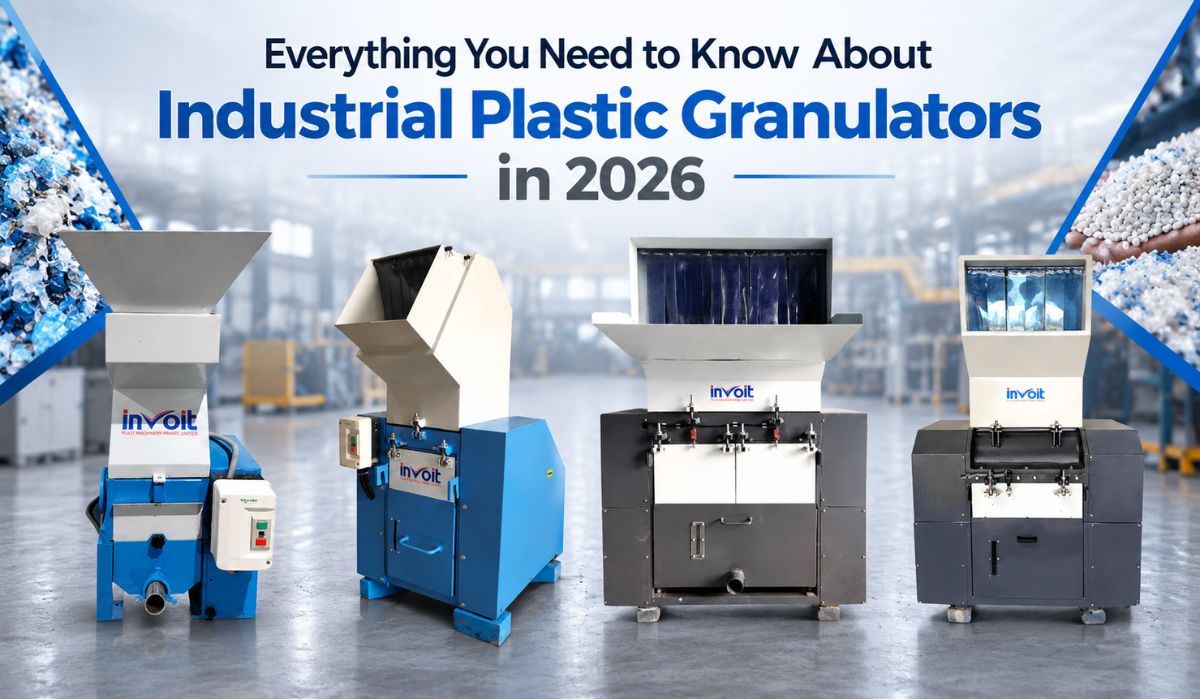
Everything You Need to Know About Industrial Plastic Granulators in 2026
The global plastic manufacturing landscape in 2026 is moving faster than ever. Rising raw material costs, strict zero-waste regulations, and demanding corporate sustainability goals mean that factory owners can no longer treat plastic scrap as waste. Whether you run an injection molding shop, a blow molding facility, or a high-capacity extrusion plant, managing factory scrap effectively has become a key factor in controlling operating expenses.
At the center of every successful in-house recycling system is a reliable Plastic Granulator Machine. By turning defective components, runner trees, sprues, and startup purgings into uniform, high-quality regrind, these machines allow manufacturers to feed valuable plastic straight back into their production lines.
This in-depth guide covers everything you need to know about industrial size reduction in 2026. You will learn how different machine types work, how to choose the right setup for your floor plan, and how proper equipment selection protects your resin purity while keeping daily efficiency high.
What Is a Plastic Granulator Machine and Why Is It Essential Today?
A Plastic Granulator Machine is an industrial size-reduction system designed to slice plastic scrap into clean, uniform granules known as regrind. Unlike general shredders that tear waste into coarse, uneven chunks, a granulator uses sharp internal knives paired with a sized screen to deliver smooth, consistent particle dimensions.
When factory scrap is processed correctly, the resulting regrind can be blended smoothly with virgin resin. This creates an efficient, closed-loop system inside your facility that significantly lowers the need to purchase fresh raw material.
Immediate Practical Advantages for Today’s Manufacturers
- Direct Raw Material Savings: Fresh polymer resins account for a major portion of your operating costs. Slicing clean scrap on-site allows you to reclaim material that would otherwise be sold off at a low price or discarded.
- Safer and Cleaner Workspaces: Storing bulky reject parts, long runner trees, and heavy purgings creates trip hazards and clutter on the factory floor. Granulating scrap immediately keeps aisles clear, organized, and safe for workers.
- Support for Corporate Sustainability Goals: Modern industry standards emphasize verifiable waste reduction. In-house granulation gives your plant a measurable, transparent way to lower its environmental footprint.
- Consistent Melt Quality in Processing: Clean granules create minimal fine dust. This ensures steady material flow through hopper loaders and uniform melting inside barrels, preventing air bubbles or weak spots in final products.
Types of Granulators: Finding the Right Match for Your Production Line
Every factory handles different shapes and volumes of scrap. Equipment designed for delicate runner systems will not perform well when fed thick startup blocks. Selecting the right class of machine prevents unwanted jams, lowers downtime, and keeps energy use balanced.
1. Slow Speed Granulator Machine
A Slow Speed Granulator Machine is specifically engineered for press-side operation. These compact, quiet units sit directly alongside individual injection molding or blow molding machines, accepting sprues and defective parts as soon as they drop from the mold.
Best Applications
- Direct closed-loop recycling next to injection molding presses.
- Small runners, thin-walled components, and precision medical or cosmetic parts.
- Cleanroom environments where quiet and low-dust operation is required.
Key Advantages
- Quiet Operation: Runs at steady, slow speeds, generating minimal noise. This keeps sound levels comfortable for operators working near the press.
- Dust-Free Particles: The gentle shearing action cuts clean granules without crushing them into fine dust, maintaining high resin purity during re-molding.
- Compact Footprint: Fits comfortably into tight manufacturing cells without blocking walkways, conveyors, or robotic arm movements.
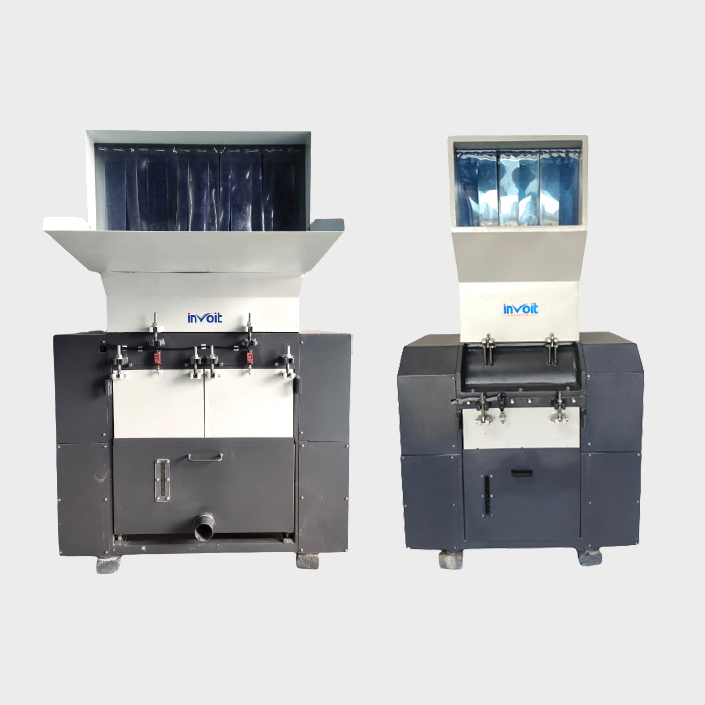
2. Medium Duty Granulator Machine
A Medium Duty Granulator Machine is a versatile unit suitable for general factory recycling. It serves as a central or semi-centralized size-reduction station capable of handling a broad range of material shapes and polymer types.
Best Applications
- Hollow components like blow-molded bottles, containers, and jars.
- Thermoformed plastic sheets, skeletal web scrap, and packaging trays.
- Medium-sized automotive interior trims and general assembly scrap.
Key Advantages
- Operational Versatility: Transitions easily between lightweight hollow bottles and medium-thickness runner systems.
- Balanced Performance: Engineered to deliver smooth output while maintaining steady power consumption.
- Fast Maintenance and Color Changes: Designed with accessible cutting chambers and simple screen removal mechanisms, making resin and color changeovers fast and straightforward.
3. Heavy Duty Granulator Machine
When dealing with high production volumes, thick structural parts, or tough engineering polymers, a Heavy Duty Granulator Machine is required. Built with strong housings, heavy rotors, and high-torque drive assemblies, these systems are made for demanding, continuous operations.
Best Applications
- Heavy startup purgings, dense plastic blocks, and thick extrusion slabs.
- Large automotive bumpers, pallets, shipping crates, and industrial tubs.
- Centralized high-capacity recycling hubs processing mixed heavy scrap.
Key Advantages
- Rugged Steel Frame: Fabricated from solid plate steel that absorbs mechanical shock and reduces operational vibration.
- High Continuous Capacity: Handles heavy material surges continuously without stalling or over-straining the drive motor.
- Durable Knife Systems: Features wear-resistant knives that retain sharp cutting edges longer, even when processing rigid or filled polymers.
Practical Factors to Evaluate Before Choosing Equipment
Investing in size-reduction equipment is an important decision for long-term plant efficiency. To ensure long-term reliability and a positive operational return, consider these key practical factors during evaluation:
1. Material Behavior and Wall Thickness
Different plastic resins react differently to cutting forces:
- Rigid Polymers: Brittle or hard plastics require sharp shearing cuts to prevent high shock loads on the rotor.
- Flexible Materials: Soft or flexible polymers require precise knife adjustments so the material is sliced cleanly instead of being pulled, folded, or stretched.
2. Scrap Volume and Feeding Method
Be clear about your hourly scrap generation rates. Running equipment continuously at its extreme limit speeds up knife wear and increases maintenance needs. Sizing your system slightly above peak scrap generation creates a smooth, stress-free operation. Consider how scrap enters the machine—manually by hand, continuously via conveyor belts, or automatically through press-side robotics.
3. Screen Sizing and Granule Uniformity
The screen beneath the cutting chamber determines particle size. Granules that are too large may cause bridging in hopper loaders or melt unevenly inside extruders. Granules that are too small create fine dust that can burn during processing. Ensure your machine allows easy screen access so operators can adjust hole sizes for different downstream applications.
4. Operator Safety and Floor Ergonomics
If your plant performs frequent resin or color changes, cleanout access is vital for avoiding downtime. Look for practical safety features and cleanout conveniences:
- Simple access doors to hoppers and cutting chambers.
- Fully interlocked safety limit switches that completely isolate power when chambers are open.
- Smooth internal housing surfaces where material does not get trapped.
- Workplace Sound Management
Modern industrial guidelines emphasize comfortable working conditions. Sound-dampening hoppers and insulated enclosures help keep cutting noise low, especially when granulating hard, hollow components that echo inside the cutting chamber.
Essential Maintenance Guidelines for Plant Managers
A well-maintained granulator delivers smooth, reliable service for many years. Integrating simple maintenance habits into daily operations keeps cut quality high and avoids unscheduled production halts.
Keep Knives Sharp and Properly Spaced
Operating a granulator with dull knives is the main cause of excess dust, high electricity consumption, rotor strain, and melted plastic. Establish a regular schedule to inspect knife edges and calibrate knife gaps according to guidelines.
Protect Equipment from Metal Contamination
Loose screws, metal clips, or tools dropped into a feeding hopper can cause severe damage to cutting knives and rotors. Always equip feeding hoppers with strong magnetic traps, or use incline conveyor belts equipped with metal detectors to catch foreign objects before they reach the cutting chamber.
Keep Screens Clear and Unobstructed
A clogged screen restricts airflow through the cutting box. This traps heat inside the chamber, causing soft resins to soften or smear on internal walls. Inspect screen openings regularly to keep material flowing freely.
Maintain Steady Feeding Habits
Avoid dumping huge piles of scrap into the feed hopper all at once. Feeding the machine at a steady, controlled rate—whether by hand, conveyor belt, or automated robotics—delivers cleaner cuts, prevents motor surges, and keeps processing predictable.
Partnering with Invoitplast: Practical Engineering for Real Factory Floors
Selecting the right equipment manufacturer is just as important as choosing machine specifications. Invoitplast builds dependable, practical size-reduction equipment crafted specifically for everyday manufacturing environments.
Why Operations Rely on Invoitplast
- Durable Construction: Invoitplast equipment uses solid structural frames designed to endure continuous industrial workloads with minimal vibration.
- Tailored Floor Layouts: Whether you need a quiet Slow Speed Granulator Machine for delicate molding operations, a versatile Medium Duty Granulator Machine, or a high-capacity Heavy Duty Granulator Machine for dense purgings, Invoitplast provides practical setups tailored to your exact floor plan.
- Focus on Regrind Quality: Smart chamber design delivers clean, uniform particle sizes with minimal dust, preserving raw material quality for re-molding.
- Reliable Floor Support: Invoitplast offers clear guidance, ready access to replacement parts, and ongoing technical advice to keep your recycling setup running smoothly year after year.
Sustainable Manufacturing and Cost Control in 2026
As manufacturing practices advance in 2026, industrial granulators have grown from basic auxiliary units into essential tools for profitability and waste control. They offer a straightforward, proven way to reduce raw resin expenses, maintain orderly shop floors, and meet corporate sustainability goals.
By matching your scrap types with the ideal Slow Speed Granulator Machine, Medium Duty Granulator Machine, or Heavy Duty Granulator Machine, you turn everyday factory scrap into a reliable, high-value source of usable raw material.
Partnering with an experienced equipment manufacturer like Invoitplast gives your facility long-lasting performance, high regrind quality, and a clear path toward sustainable, zero-waste manufacturing.
Email : info@invoitplast.com , service@invoitplast.com, sales@invoitplast.com
Phone Number : +91 63546 02502, +91 63546 02503, +91 63546 02504
FAQs
A Plastic Granulator Machine is industrial equipment used to cut plastic scrap such as rejected parts, runners, sprues, purgings and other production waste into smaller, uniform pieces called regrind. The processed material can then be reused in suitable manufacturing applications.
A Plastic Granulator Machine is used to reduce plastic production scrap into reusable regrind. It is commonly used for injection molding scrap, blow-molded parts, thermoformed waste, runners, sprues, rejected components and other plastic materials generated during manufacturing.
A plastic granulator generally uses knives and a screen to produce more controlled and uniform regrind, while a grinder is commonly used as a broader term for equipment that reduces plastic waste into smaller pieces. The right machine depends on the material type, scrap size, required output and recycling process.
A Slow Speed Granulator Machine is suitable when clean, relatively small plastic scrap is generated close to individual production machines. It is commonly used for sprues, runners and small rejected components in injection molding and similar applications where compact and quieter operation is preferred.
A Medium Duty Granulator Machine is designed for general factory recycling applications involving a variety of plastic scrap. It can be suitable for materials such as hollow molded components, thermoformed sheets, packaging scrap and medium-sized plastic parts.
A Heavy Duty Granulator Machine is generally selected for high-volume operations and thick or dense plastic scrap. Typical applications include heavy purgings, dense plastic blocks, thick extrusion waste, automotive components, pallets, crates and other demanding industrial scrap.
Choose the machine according to the type and thickness of plastic scrap, quantity of waste generated, feeding method, required regrind size, operating conditions and available floor space. It is important to select a machine that can comfortably handle your normal and peak scrap generation rather than operating continuously at its limit.
Yes. Plastic granulators are widely used for processing injection molding scrap such as runners, sprues, rejected components and other clean production waste. A suitable granulator can help convert this scrap into reusable regrind for appropriate downstream applications.
The screen helps control the size of the granulated material. Choosing an appropriate screen size helps produce regrind that is suitable for the next processing stage and can support consistent material flow and melting during reuse.
Knife maintenance should be based on operating hours, material type, scrap condition and the machine manufacturer's recommendations. Regular inspection is important because dull or improperly adjusted knives can increase dust, energy consumption, machine strain and poor cutting quality.
Clean and properly sharpened knives, correct knife adjustment, an appropriate screen and steady material feeding can help reduce unnecessary dust. Keeping the cutting chamber and screen clear also supports consistent material flow and granulation quality.
Invoitplast can help manufacturers evaluate their plastic scrap type, production requirements, feeding method and available factory space to identify a suitable granulation solution. The company provides Slow Speed, Medium Duty and Heavy Duty Granulator Machine options for different industrial recycling applications.