
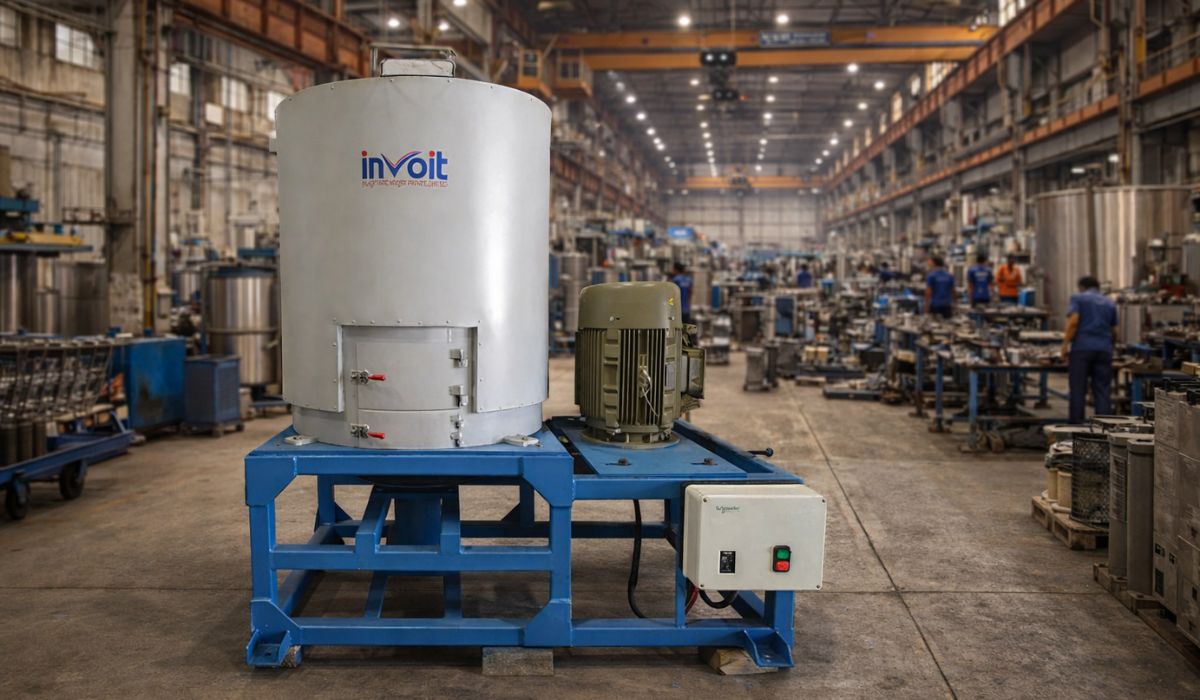
How Hospitals Can Reduce Carbon Footprint Using Medical Blister Recycling Machines
In the modern healthcare landscape, “healing” is no longer just about treating patients. It is also about protecting the environment that patients live in. Today, hospitals worldwide are facing a massive challenge: managing the mountains of medical waste generated every single day.
One of the most overlooked yet significant contributors to hospital waste is the medical blister pack. Whether it is a tablet for a common cold or a life-saving medication, almost every pill comes in a blister pack made of plastic and aluminum.
This is where the Waste Medical Blister Recycling Machine enters the conversation as a game-changer for hospital sustainability.
The Hidden Environmental Cost of Medical Blisters
Every year, billions of blister packs are discarded. Traditionally, these are sent to landfills or incinerators. Both methods hurt the planet. Landfills lead to soil contamination, while incineration releases carbon dioxide and toxic fumes into the atmosphere, increasing a hospital’s carbon footprint.
The difficulty lies in the design of the blister pack itself. It is a “multi-material” product—usually a combination of high-quality PVC (plastic) and thin aluminum foil. Because these two materials are bonded together, they are notoriously difficult to separate by hand.
For a long time, the industry assumed this waste was “unrecyclable.” However, with advancements from Medical Blister Recycling Machine manufacturers, we now have the technology to reclaim 100% of these materials.
Why Hospitals Should Care About Carbon Footprint
A hospital’s carbon footprint is the total amount of greenhouse gases produced by its operations. Reducing this is no longer just a “green” goal; it is a business and ethical necessity.
- Regulatory Pressure: Governments in India, Africa, and Europe are tightening rules on medical waste disposal.
- Public Trust: Patients and donors prefer healthcare institutions that show a commitment to environmental health.
- Resource Efficiency: Recycling turns “waste” into “raw material,” which can actually help offset waste management costs over time.
How the Waste Medical Blister Recycling Machine Works
You might wonder how a single plastic recycling machine can handle such a complex task. The process is actually quite elegant and mechanical, avoiding the use of harmful chemicals or high-heat processes that would further damage the environment.
1. Shredding and Crushing
The first step involves feeding the empty, expired, or rejected blister packs into the machine. The machine shreds them into small, uniform pieces.
2. High-Frequency Separation
This is the core “magic” of the technology. Using electrostatic separation, the machine identifies the difference in electrical conductivity between plastic and aluminum.
3. Pure Material Recovery
The result is two separate piles of high-purity material:
- Aluminum Powder/Flakes: This is high-grade metal that can be sold back to the smelting industry.
- PVC/Plastic Granules: These can be reused in the manufacturing of non-medical plastic products like pipes, shoe soles, or industrial sheets.
By using this machine, a hospital ensures that zero waste from blister packs reaches a landfill.
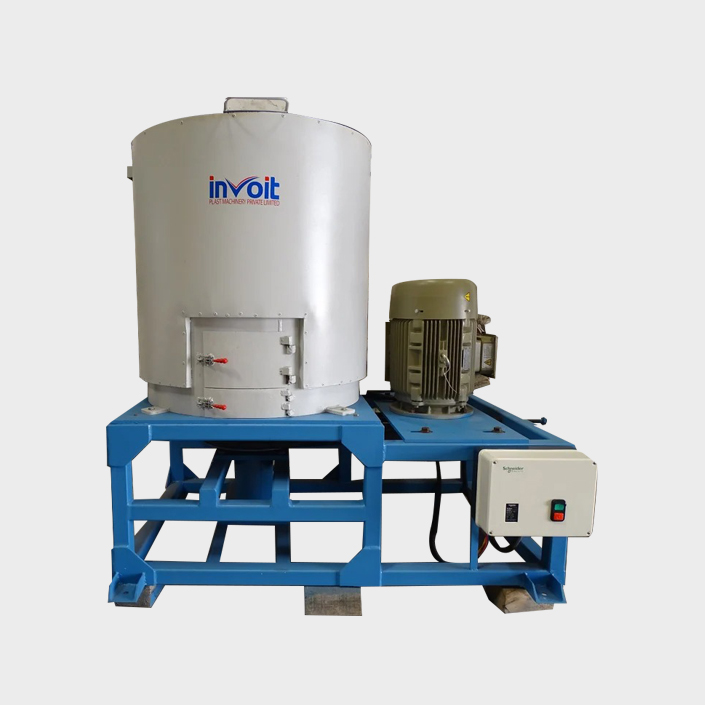
The Industrial Impact: A Step Toward Circular Economy
As a leading Medical Blister Recycling Machine manufacturer in India, Invoit Plast has observed a shift in how industrial waste is viewed. We are moving away from the “Take-Make-Waste” model toward a “Circular Economy.”
In a circular economy, the waste from one process becomes the raw material for another. When a hospital installs an on-site or centralized recycling solution, they aren’t just “cleaning up”—they are becoming a supplier of raw materials.
For hospitals in developing regions like India and parts of Africa, this technology is particularly vital. Many regions lack advanced landfill management. On-site recycling reduces the need for transporting heavy waste over long distances, which further slashes the carbon emissions caused by transport trucks.
Key Benefits for Healthcare Facilities
1. Significant Reduction in Disposal Fees
Medical waste disposal is expensive. Most hospitals pay by weight to have their waste hauled away and treated. By removing the heavy “dry waste” like blister packs from the general medical waste stream, hospitals can significantly lower their monthly disposal bills.
2. Achieving “Green Hospital” Certifications
Certifications like LEED or various national healthcare awards look closely at waste management. Implementing a specialized plastic recycling machine for medical-grade materials shows a high level of sophistication and dedication to ESG (Environmental, Social, and Governance) goals.
3. Safety and Compliance
Manual separation of blister packs is labour-intensive and can lead to injuries from sharp foil edges. An automated machine handles the process safely within a closed or semi-closed system, protecting hospital staff and ensuring compliance with modern labour safety standards.
Choosing the Right Medical Blister Recycling Machine Manufacturer
Not all recycling machines are created equal. When looking to invest in this technology, hospitals and waste management contractors should look for “Experience and Expertise.”
A trusted manufacturer like Invoit Plast understands the specific needs of the Indian and African markets. We focus on:
- Durability: Machines built to handle high volumes of waste in varying climates.
- Ease of Use: Simple interfaces that do not require an engineering degree to operate.
- After-Sales Support: Ensuring that the machine continues to run efficiently for years, reducing the total cost of ownership.
Real-World Insight: The Path Forward
Imagine a large multi-speciality hospital that goes through thousands of blister packs a day. Without a recycling strategy, that’s tons of plastic and metal wasted every year.
By integrating a Waste Medical Blister Recycling Machine, that same hospital can claim they are “Carbon Neutral” in their packaging waste. This creates a powerful narrative for stakeholders.
Furthermore, for entrepreneurs in the waste management sector, setting up a centralized recycling unit using these machines offers a dual benefit: you help the local hospitals solve a waste problem while creating a profitable business selling recovered aluminum and plastic.
Small Steps, Big Changes
The journey to a zero-carbon hospital doesn’t happen overnight. It happens through smart, strategic investments in technology.
The medical blister pack, once a symbol of “unavoidable waste,” is now a symbol of opportunity. By partnering with reliable Medical Blister Recycling Machine manufacturers, healthcare providers can take a massive leap toward a sustainable future.
Reducing your carbon footprint is no longer a choice—it’s a responsibility. At Invoit Plast, we are proud to provide the tools that turn that responsibility into a reality.
Are you ready to transform your hospital’s waste management strategy? Contact Invoit Plast, India’s trusted name in industrial recycling solutions, to learn how our machines can help you achieve your sustainability goals.
📞 Start Your Project : +91 63546 02502 , info@invoitplast.com
FAQs
A Waste Medical Blister Recycling Machine is an industrial recycling system designed to separate aluminum foil and plastic from used or rejected medical blister packs. It helps hospitals and pharmaceutical companies recycle waste efficiently while reducing landfill pollution and carbon emissions.
Hospitals reduce their carbon footprint by recycling medical blister waste instead of sending it to landfills or incinerators. A Medical Blister Recycling Machine recovers reusable aluminum and plastic materials, lowering greenhouse gas emissions, reducing waste transport, and supporting sustainable healthcare practices.
Medical blister packs are made from multiple bonded materials such as PVC plastic and aluminum foil. Manual separation is difficult and time-consuming. Advanced recycling machines use electrostatic separation technology to recover both materials efficiently.
A Waste Medical Blister Recycling Machine can recover:
- Aluminum flakes or powder
- PVC plastic granules
- Reusable industrial raw materials
These recycled materials can be reused in manufacturing industries for non-medical applications.
Key benefits include:
- Reduced medical waste disposal costs
- Lower carbon emissions
- Improved ESG and sustainability compliance
- Safer waste handling for staff
- Support for green hospital certifications
- Contribution to a circular economy
Yes. The machine uses mechanical and electrostatic separation processes instead of harmful chemicals or excessive heat. This makes it an eco-friendly solution for recycling pharmaceutical blister packaging waste.
Yes. Recovered aluminum can be reused in metal industries, while recycled PVC granules can be used in products such as pipes, industrial sheets, shoe soles, and plastic components.
The machine converts hospital waste into reusable raw materials. Instead of following the traditional “take-make-dispose” model, hospitals can recycle blister waste and return valuable materials back into industrial production.
Hospitals should choose a trusted manufacturer that offers:
- Durable industrial-grade machines
- High material recovery efficiency
- Easy machine operation
- Strong after-sales support
- Low maintenance requirements
- Experience in medical waste recycling solutions
Invoit Plast Machinery Pvt. Ltd. is one of the trusted manufacturers in India for industrial recycling solutions.
Medical blister recycling helps healthcare facilities reduce environmental impact, comply with waste management regulations, improve sustainability reporting, and build a greener healthcare system for future generations. It also helps hospitals achieve long-term cost savings through efficient waste management practices.