
5 Common Mistakes to Avoid When Choosing a Plastic Scrap Grinder Machine
Running a profitable plastic processing plant or recycling facility depends heavily on machinery performance, consistent output, and low downtime. At the core of almost every recycling workflow sits an indispensable piece of equipment: the plastic scrap grinder machine.
Whether you process injection-molded scrap, blow-molded bottles, industrial pipes, film rolls, or factory runner waste, your grinding setup dictates how efficiently waste converts back into reusable raw material. A well-matched grinder keeps your production line moving smoothly, produces uniform granules, and protects your operational margins.
On the other hand, selecting the wrong machine leads to frequent jams, high electricity bills, rapid blade wear, and unexpected production halts. With dozens of options available on the market, factory managers and business owners often make purchasing decisions based on quick assumptions rather than long-term strategic fit.
In this comprehensive guide, we explore the five most critical mistakes buyers make when selecting a plastic scrap grinder machine for plastic recycling industry applications. We will also share practical industry insights to help you choose equipment that delivers long-term productivity, safety, and return on investment.
Why Choosing the Right Grinder Matters for Your Operations
Before diving into specific mistakes, it helps to understand why granulating equipment plays such a decisive role in your plant’s bottom line.
Plastic scrap does not behave like other waste products. Different resins stretch, shatter, soften, or resist cutting under pressure. When your grinding equipment matches your exact operational demands, your facility benefits from:
- Consistent Granule Quality: Uniform pellet size means smoother feeding into re-extruders or injection molding machines.
- Lower Operational Expenses: Proper power transmission and cutting dynamics reduce power consumption per ton.
- Minimal Maintenance Delays: Quality components resist wear and minimize unplanned maintenance stops.
- Safer Working Conditions: Modern safety mechanisms protect your operators from accidents and excessive noise.
Avoiding common buying traps helps you capture these operational advantages right from day one.
Mistake 1: Ignoring the Specific Character and Behavior of Your Plastic Scrap
One of the most frequent errors buyers make is assuming that any industrial grinder can process any type of plastic. In reality, plastic materials differ dramatically in density, flexibility, wall thickness, and thermal behavior. Treating all scrap material the same is a direct path to operational bottlenecks.
Soft Plastics vs. Rigid Plastics
- Soft Plastics (Films, Shopping Bags, Woven Sacks, Foils): Soft and flexible scrap tends to stretch, bend, or wrap around spinning components instead of cutting cleanly. Without a cutting structure designed specifically for thin materials, soft scrap can clog the chamber and cause motor drag.
- Rigid Plastics (Pipes, Drums, Heavy Automotive Parts, Thick Purgings): Rigid and dense scrap requires structural stability, heavy frame construction, and hardened cutting edges. Attempting to crush heavy rigid scrap with light-duty equipment risks structural fatigue and chamber damage.
Physical Shape and Scrap Volume
The physical shape of your scrap is just as critical as the polymer type. Bulky hollow containers, long extruded pipes, and large sheet roll-offs each enter the grinding chamber differently. If your feed hopper opening is poorly sized or angled incorrectly for your scrap shape, operators end up spending valuable hours manually pre-cutting items with saws or shears before feeding them into the machine.
How to Avoid This Mistake
Before contacting a plastic scrap grinder machine manufacturer, document your daily scrap profile thoroughly:
- List all major resin types you process regularly.
- Note the maximum wall thickness and physical dimensions of your largest scrap pieces.
- Identify whether your scrap arrives clean or contains surface dust, moisture, or foreign particles.
Sharing these exact details ensures your supplier configures the hopper, rotor layout, and cutting angles to handle your material stream effortlessly.
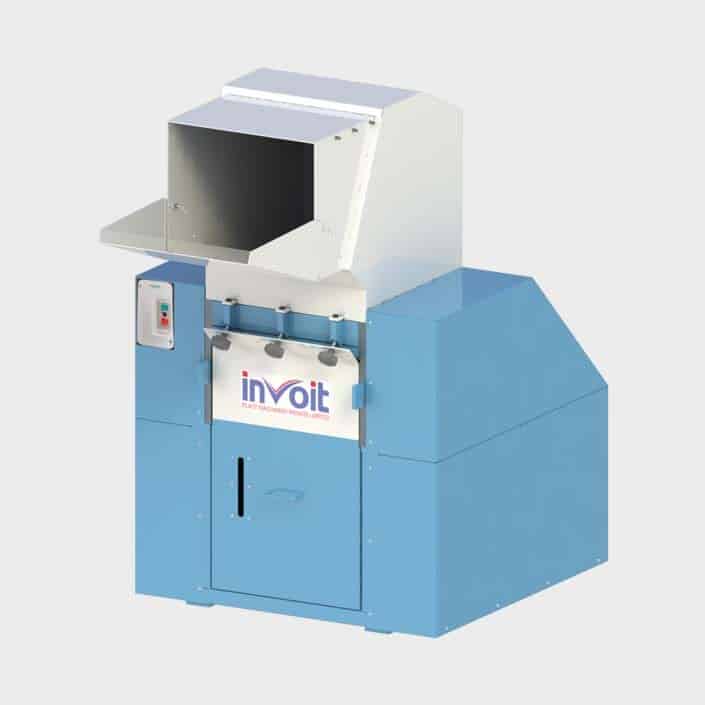
Mistake 2: Focusing Only on Upfront Price Instead of Total Cost of Ownership
It is completely understandable to monitor capital expenditure closely when buying factory equipment. However, choosing a plastic grinder machine solely based on the lowest initial price tag is one of the costliest financial traps a business can fall into.
The Hidden Financial Costs of Budget Machinery
Low-cost machines often cut manufacturing corners by using thinner steel plates, lower-grade drive components, basic electrical protections, and soft blade materials. While the initial invoice looks attractive, cheap machines quickly reveal their true cost over time through:
- Excessive Maintenance Expenses: Subpar blades lose their sharp cutting edges quickly. This forces you to spend more money on frequent blade sharpening, adjustments, and replacement sets.
- Unplanned Factory Downtime: Inexpensive drive assemblies and weak structural frames lead to frequent mechanical failure. When your main grinder breaks down, your entire recycling line stops, leaving workers idle while customer orders delay.
- High Monthly Energy Bills: Poorly balanced rotating units and inefficient belt drives require more motor energy to cut through material. A poorly optimized machine draws excessive power for modest output, inflating your utility bills month after month.
- Short Equipment Lifespan: Equipment built with low-grade components often requires major overhauls or full replacement within just a few years. In contrast, a robust machine serves your facility reliably for over a decade with standard routine care.
Shifting to a Value-First Mindset
Instead of asking, “Which option has the lowest purchase price?” ask yourself, “Which machine delivers the lowest operating cost per ton of clean recycled scrap?”
Investing in high-quality alloy blades, heavy-duty bearings, and a solid structural frame pays for itself quickly through continuous operation, reduced power draw, and fewer emergency repair bills.
Mistake 3: Misjudging Operational Capacity and Duty Cycle Requirements
Another common misstep is failing to calculate the real daily throughput and duty cycles your operation demands. Both under-sizing and over-sizing your machine lead to unnecessary operational friction.
The Dangers of Undersizing
If you purchase a compact machine intended for occasional light scrap, but push it to run continuously across multiple 8-hour shifts, the machine will suffer. Continuous overloading causes:
- Drive motor overheating and thermal trip stops.
- Heat buildup inside the chamber, which can melt soft plastic scrap into sticky lumps instead of clean granules.
- Rapid wearing of cutting surfaces and drive belts.
The Downsides of Unplanned Oversizing
While buying a massive machine might seem like a simple way to future-proof your plant, an oversized unit running far below its designed capacity creates its own issues. Large machines occupy valuable floor space and consume higher idle power than small jobs require.
Matching Machine Power to Your True Workflow
To choose the right size for your facility, assess your real-world operating conditions:
- Operating Hours: Will the unit run continuously across 8, 16, or 24 hours per day?
- Scrap Arrival Patterns: Does waste feed into the grinder continuously via conveyor belts, or do operators dump large batches from storage bins at intervals?
- Future Production Plans: Are you planning to add new extrusion or molding lines over the next 12 to 24 months?
Choosing a balanced machine capacity guarantees smooth processing without straining your equipment or wasting valuable factory electricity.
Mistake 4: Overlooking Safety Features, Noise Levels, and Maintenance Access
A plastic scrap grinder machine operates with powerful mechanical forces. Focusing only on hourly output while ignoring operator safety, workplace ergonomics, and maintenance convenience is a major oversight that negatively affects your entire workplace environment.
Prioritizing Operator Safety
Industrial safety must always come first. Modern recycling equipment should incorporate comprehensive protective measures, including:
- Prominent, easily accessible emergency stop switches near operator stations.
- Mechanical safety interlocks that physically prevent the motor from starting whenever the feed hopper or grinding chamber is open.
- Well-engineered feed hopper throat designs that prevent material flyback (kickback) and keep operator hands at a completely safe distance.
Controlling Workshop Noise Levels
Granulating hard, rigid plastics creates high sound levels. Excessive noise creates a stressful work area, increases operator fatigue, and can breach local industrial health regulations. High-grade machine designs incorporate double-walled sound-dampening hoppers, insulated enclosures, and anti-vibration rubber mounts to maintain safe workshop sound levels.
Ensuring Easy Cleaning and Rapid Changeovers
Recycling operations frequently switch between different resin colors or plastic types. If opening and cleaning the grinding chamber requires hours of tedious work, residual dust from previous batches will contaminate your next production run.
Look for practical maintenance features such as:
- Simple, secure chamber access mechanisms that allow quick internal inspection.
- Smooth, polished internal chamber walls that prevent dust accumulation.
- Convenient blade adjustment points that reduce setup time during blade rotation or replacement.
Mistake 5: Partnering with an Unverified Supplier Instead of an Experienced Manufacturer
Perhaps the single biggest mistake is purchasing critical plant machinery without evaluating the reputation, experience, and long-term support capabilities of the machine supplier. A plastic grinder is a long-term capital asset; purchasing from an unverified vendor leaves your business stranded when operational challenges arise.
The Hidden Risks of Poor After-Sales Support
Even the best industrial machinery requires routine maintenance, spare blades, replacement screens, and occasional technical advice. Working with a supplier who lacks dedicated technical support often leads to:
- Excessive waiting times for basic spare parts like replacement blades, belts, or screens.
- Lack of expert assistance when troubleshooting tricky scrap grinding challenges.
- Difficulty obtaining matching spare parts as your machine ages over time.
Why Partnering with an Expert Manufacturer Matters
An experienced Plastic Scrap Grinder Machine Manufacturer acts as a long-term technical partner rather than just a machine vendor. Expert engineering teams analyze your material characteristics, plant footprint, and production targets before recommending a tailored solution.
When you partner with a trusted machinery specialist like Invoitplast, you benefit from:
- Deep Process Knowledge: Machine designs refined through practical industrial experience across diverse recycling sectors.
- Application Engineering: Customized hopper profiles, rotor configurations, and blade materials optimized for your specific waste stream.
- Reliable Spare Parts Availability: Direct access to genuine replacement blades, screens, and drive components to keep downtime minimal.
- Dependable Build Quality: Heavy-duty construction standards that protect your equipment investment and preserve operational continuity.
How to Choose a Plastic Scrap Grinder More Confidently
Avoiding these five mistakes becomes easier when the purchasing process is approached step by step.
1. Start with your waste
First understand what type of plastic scrap your business generates.
Do not begin the selection process by choosing a machine model.
2. Explain your actual requirement
Share clear information with potential manufacturers.
The better they understand your application, the easier it becomes to discuss suitable options.
3. Think about daily use
Consider how the grinder will fit into normal factory operations.
A machine should make scrap handling practical rather than create additional work.
4. Consider maintenance
Ask how routine cleaning, maintenance, and replacement parts will be managed.
This is especially important for businesses that plan to use the machine regularly.
5. Compare manufacturers, not just machines
Look beyond product photographs and basic descriptions.
Compare experience, communication, application understanding, service support, and transparency.
6. Think about future requirements
Your current scrap volume may not remain the same forever.
If production increases or your material changes in the future, your equipment requirements may also change.
Discuss future plans with the manufacturer before making the final decision.
Why Application Understanding Matters More Than a Generic “Best Machine”
There is no single plastic grinder that is automatically the best choice for every business.
A recycling facility, injection moulding unit, packaging manufacturer, and plastic processing company can have very different scrap-handling requirements.
That is why buyers should be careful with statements such as “one machine is perfect for every application.”
The better approach is to match the equipment with the actual material and working conditions.
This is also where an experienced Plastic Scrap Grinder Machine Manufacturer can add value—by understanding the buyer’s application first and then discussing an appropriate solution.
For businesses researching a Plastic Scrap Grinder Machine for Plastic Recycling Industry, application-based selection is generally more useful than choosing equipment based only on generic marketing descriptions.
Final Thoughts: Making a Profitable, Long-Term Investment
Selecting the right plastic scrap grinder machine for plastic recycling industry success does not have to be a complicated or risky process. By avoiding these five critical mistakes—ignoring material characteristics, focusing solely on initial price, misjudging throughput capacity, neglecting safety and maintenance access, and buying from unverified vendors—you build a strong foundation for smooth, high-yield plant operations.
Investing in properly engineered machinery protects your workforce, keeps utility and maintenance expenses predictable, and ensures your regrind plastic output remains clean, uniform, and valuable.
Focus on build quality, demand transparent guidance from experienced industrial specialists, and partner with a trusted Plastic Scrap Grinder Machine Manufacturer who understands your operational goals. Making a well-informed decision today ensures your plant operates efficiently, safely, and profitably for years to come.
Email : info@invoitplast.com , service@invoitplast.com, sales@invoitplast.com
Phone Number : +91 63546 02502, +91 63546 02503, +91 63546 02504
FAQs
A Plastic Scrap Grinder Machine is industrial equipment used to reduce plastic waste and scrap into smaller, more uniform pieces that can be handled, stored, and reused in further recycling or processing operations.
Choose the machine based on your type of plastic scrap, material thickness, scrap size and shape, daily quantity, operating hours, and production requirements. The right machine should match your actual waste stream rather than being selected only by model or price.
Not necessarily. Different plastics behave differently during grinding. Soft plastics such as films and bags may require a different cutting arrangement than rigid plastics such as pipes, drums, and thick purgings. Material characteristics should be discussed with the manufacturer before selection.
Plastic scrap can differ in density, flexibility, wall thickness, shape, and thermal behavior. Selecting a grinder without considering these factors can result in clogging, motor load, excessive blade wear, poor grinding performance, or downtime.
You should consider the machine's total cost of ownership, including electricity consumption, blade sharpening and replacement, maintenance, spare parts, downtime, and expected equipment life. A low initial price does not always mean a lower long-term operating cost.
Consider your daily scrap volume, operating hours, number of shifts, scrap feeding pattern, and future production plans. Both undersizing and unnecessary oversizing can create operational and financial problems.
An undersized machine may be overloaded when used continuously. This can contribute to motor overheating, thermal trips, heat buildup, rapid cutting-edge wear, and increased downtime, especially when the machine is operated beyond its intended workload.
Why are maintenance access and easy cleaning important in a Plastic Grinder Machine?
Easy maintenance and cleaning can reduce downtime and help prevent contamination when processing different plastic types or colors. Features such as convenient chamber access, clean internal surfaces, and accessible blade adjustment points can make routine maintenance easier.
Choose a properly sized machine, follow routine maintenance practices, monitor blade condition, and ensure that commonly required spare parts are available. Working with an experienced Plastic Scrap Grinder Machine Manufacturer can also make troubleshooting and spare-part support easier.
An experienced manufacturer can understand your plastic material, scrap dimensions, plant requirements, operating conditions, and production goals before recommending a suitable solution. Reliable technical support and availability of genuine spare parts can also help maintain operational continuity.
No. There is no single grinder that is automatically best for every application. A plastic recycling facility, injection moulding unit, packaging plant, or plastic processing company may have different scrap-handling requirements. The best choice is the machine that matches your specific material and working conditions.