
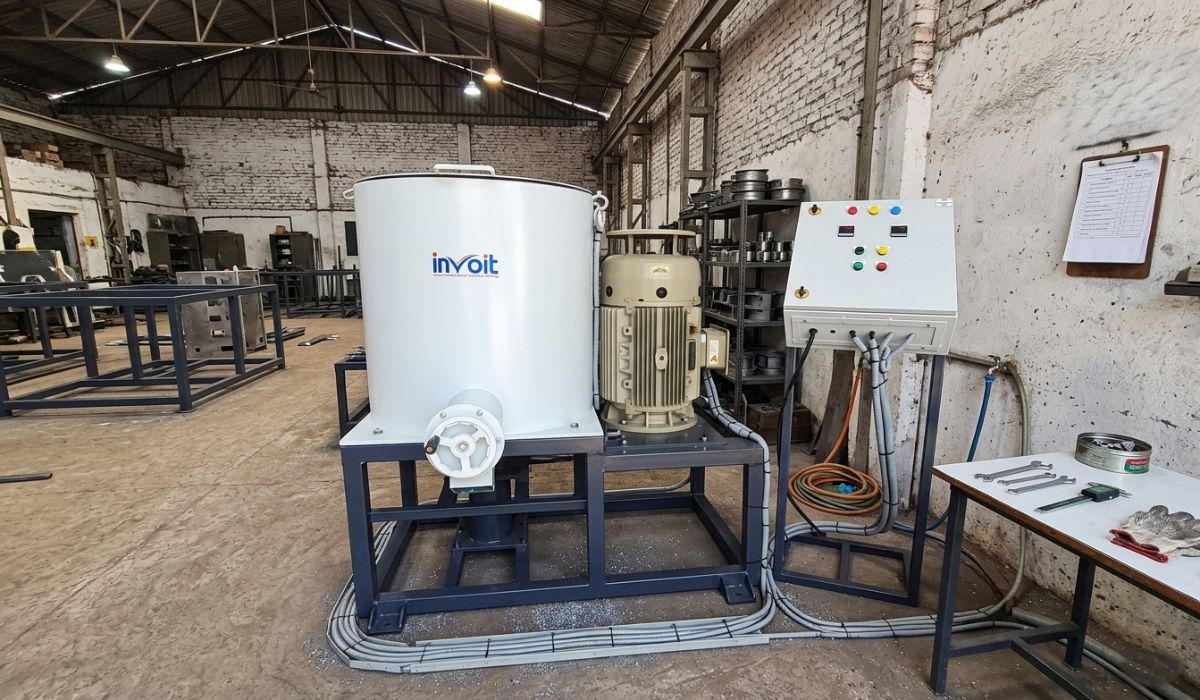
How Can a High Speed Mixer Machine Solve Inconsistent Batch Quality in Plastic Manufacturing?
In plastic manufacturing, consistency is everything. Whether you are producing granules, compounds, or finished molded products, even a slight variation in raw material mixing can lead to major issues—color variation, poor strength, surface defects, or even rejected batches.
Many manufacturers struggle with this daily. The root cause is often not the raw material—but the mixing process itself.
This is where a High Speed Mixer Machine becomes a game-changer.
In this blog, we’ll explore how inconsistent batch quality happens, why traditional mixing methods fail, and how a modern Industrial High Speed Mixer Machine can solve these challenges effectively.
The Real Problem: Why Batch Quality Becomes Inconsistent
Before solving the problem, it’s important to understand what causes inconsistency in plastic manufacturing.
1. Uneven Material Distribution
Plastic processing involves multiple raw materials—polymers, additives, fillers, and color masterbatches. If these are not evenly mixed, the final product will show visible defects.
2. Poor Temperature Control
Heat plays a critical role during mixing. Too much heat can degrade material, while too little can prevent proper blending.
3. Human Dependency
Manual or semi-automatic mixing processes often depend on operator skill. This leads to variation from batch to batch.
4. Inconsistent Mixing Time
If mixing cycles are not standardized, each batch may receive different treatment, leading to uneven results.
5. Material Clumping
Certain powders and additives tend to form lumps, which reduces mixing efficiency.
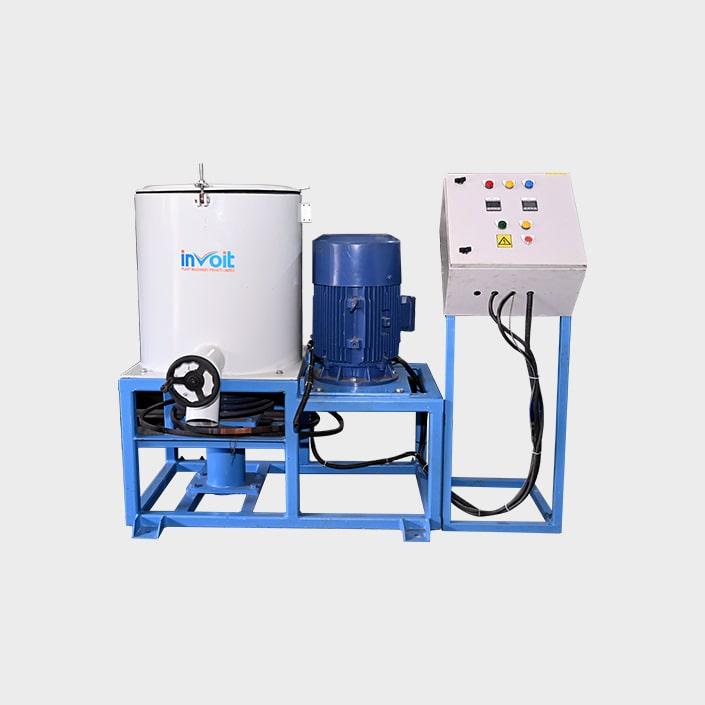
Why Traditional Mixing Methods Fail
Many manufacturers still rely on conventional mixing systems or outdated equipment. While these may work at a basic level, they struggle under modern production demands.
Common limitations include:
- Slow mixing speed
- Uneven blending
- High dependency on manual intervention
- Lack of process control
- Inability to handle complex formulations
As production scales and quality expectations rise, these limitations become more visible—and costly.
What Is a High Speed Mixer Machine?
A High Speed Mixer Machine is designed to mix plastic raw materials at high rotational speeds, ensuring uniform blending in a short time.
Unlike traditional mixers, it uses high-speed blades to create a vortex effect. This allows materials to move rapidly and mix thoroughly.
The result? Faster, more consistent, and more reliable batches.
How a High Speed Mixer Machine Solves Inconsistent Batch Quality
Let’s break down how this machine directly addresses the common problems in plastic manufacturing.
1. Achieves Uniform Mixing Every Time
Consistency starts with uniformity.
A Plastic Mixer Machine operating at high speed ensures that every particle—whether powder, granule, or additive—is evenly distributed.
This eliminates:
- Color streaks
- Weak spots in products
- Uneven material density
With consistent mixing, every batch performs the same during processing.
2. Reduces Human Error
Manual processes always carry risk.
An Industrial High Speed Mixer Machine minimizes human involvement by automating the mixing cycle.
Once parameters are set:
- Mixing time remains constant
- Speed remains controlled
- Results become repeatable
This brings stability to production and reduces dependency on operator skill.
3. Improves Material Activation
Certain additives and fillers require proper activation through friction and heat.
High-speed mixing generates controlled frictional heat, which helps:
- Improve bonding between materials
- Enhance dispersion of pigments and additives
- Prepare material for downstream processes
This leads to better product quality and improved performance.
4. Eliminates Clumping and Lumps
One of the biggest causes of inconsistency is material clumping.
High-speed blades create strong turbulence inside the chamber. This breaks down lumps and ensures smooth blending.
As a result:
- Powders flow better
- Additives distribute evenly
- Final output becomes more refined
5. Ensures Faster Mixing Cycles
Time variation is a hidden problem in many factories.
With traditional systems, mixing time often varies depending on operator judgment or workload.
A High Speed Mixer Machine standardizes the process:
- Fixed mixing cycles
- Faster batch completion
- Consistent output quality
This not only improves quality but also boosts productivity.
6. Better Temperature Control
Heat management is critical in plastic processing.
High-speed mixers are designed to control temperature rise during mixing. This ensures:
- No overheating of material
- No degradation of polymers
- Better preparation for extrusion or molding
Controlled temperature leads to predictable processing behavior.
7. Supports Complex Formulations
Modern plastic manufacturing often involves advanced formulations.
These may include:
- Multiple additives
- Recycled materials
- Special compounds
An advanced Plastic Mixer Machine can handle these complexities with ease, ensuring uniform blending even in challenging conditions.
Real-World Industrial Impact
Let’s look at how switching to a high-speed mixing system can impact actual production environments.
Case Scenario 1: Color Variation Issues
A manufacturer producing colored plastic parts faced frequent complaints about shade variation.
After upgrading to a High Speed Mixer Machine, they achieved:
- Consistent color in every batch
- Reduced rejection rate
- Improved customer satisfaction
Case Scenario 2: Recycled Material Processing
A recycling unit struggled with uneven blending of regrind material.
With a high-speed mixing system:
- Material dispersion improved significantly
- Product strength became consistent
- Production efficiency increased
Case Scenario 3: High Production Demand
A factory scaling up production faced delays due to slow mixing.
After adopting an Industrial High Speed Mixer Machine:
- Mixing time reduced drastically
- Batch output increased
- Downtime reduced
Long-Term Benefits for Manufacturers
Investing in the right mixing solution goes beyond solving immediate problems.
- Reduced Material Waste
Consistent mixing reduces rejected batches and saves raw material.
- Improved Product Quality
Uniform blending ensures better strength, appearance, and durability.
- Higher Production Efficiency
Faster cycles mean more output in less time.
- Stronger Brand Reputation
Consistent quality builds trust with customers and clients.
- Better Cost Control
Less waste and higher efficiency lead to improved profitability.
Choosing the Right High Speed Mixer Machine Manufacturer
Not all machines deliver the same results.
Selecting a reliable High Speed Mixer Machine Manufacturer is critical to achieving long-term success.
Here’s what to consider:
Experience in Plastic Industry
Look for manufacturers with proven expertise in plastic processing equipment.
Understanding of Industrial Needs
The machine should be designed keeping real production challenges in mind.
Build Quality and Reliability
Durable construction ensures long-term performance with minimal downtime.
After-Sales Support
Service, maintenance, and support play a major role in smooth operations.
Why Indian Manufacturers Are Gaining Global Attention
India has become a strong hub for plastic machinery manufacturing.
Companies like Invoit Plast Machinery Pvt. Ltd. are known for:
- Practical, industry-focused designs
- Reliable machine performance
- Competitive manufacturing capabilities
Indian manufacturers are increasingly supplying to global markets due to their balance of quality and value.
Final Thoughts
Inconsistent batch quality is not just a technical issue—it’s a business risk.
It affects:
- Product performance
- Customer satisfaction
- Operational costs
A High Speed Mixer Machine offers a powerful solution by bringing consistency, efficiency, and control into the mixing process.
For manufacturers looking to scale operations, improve quality, and reduce waste, upgrading to a modern Plastic Mixer Machine is no longer optional—it’s essential.
By choosing the right Industrial High Speed Mixer Machine and partnering with an experienced High Speed Mixer Machine Manufacturer, you can transform your production process and stay competitive in today’s demanding market.
📩 Request Your Quotation Now
+91 63546 02502 , info@invoitplast.com
FAQs
Inconsistent batch quality is mainly caused by uneven material mixing, poor temperature control, human error, inconsistent mixing time, and material clumping. These factors lead to defects like color variation, weak product strength, and surface imperfections.
A high-speed mixer machine ensures uniform mixing by using high-speed blades that create strong turbulence. This evenly distributes polymers, additives, and colour masterbatches, resulting in consistent output in every batch.
Uniform mixing ensures that all materials are evenly blended, which directly impacts product quality. It prevents issues like color streaks, uneven density, and weak structural performance in plastic products.
Yes, an advanced Plastic Mixer Machine automates the mixing process. Once parameters like speed and time are set, it delivers consistent results without depending on operator skill, reducing human error significantly.
An Industrial High Speed Mixer Machine generates high turbulence inside the mixing chamber. This breaks down lumps and ensures smooth, even blending of powders and additives, improving overall material flow.
Yes, modern high-speed mixers are designed to manage heat effectively. They generate controlled frictional heat, preventing overheating or material degradation while ensuring proper blending.
High-speed mixing offers faster processing, uniform blending, reduced manual intervention, better temperature control, and the ability to handle complex formulations—making it far more efficient than traditional mixing methods.
Manual mixing is labor-intensive and prone to human error. An automated mixer can process a batch in 10 to 15 minutes that would typically take three workers over two hours to complete manually, significantly boosting your plant's daily output.
Yes, it is highly effective for recycled materials. It ensures proper dispersion of regrind materials, improves consistency, and enhances the strength and quality of the final product.
Choose a manufacturer with industry experience, strong machine build quality, proven performance, and reliable after-sales support. A trusted manufacturer ensures long-term efficiency and consistent production results.