
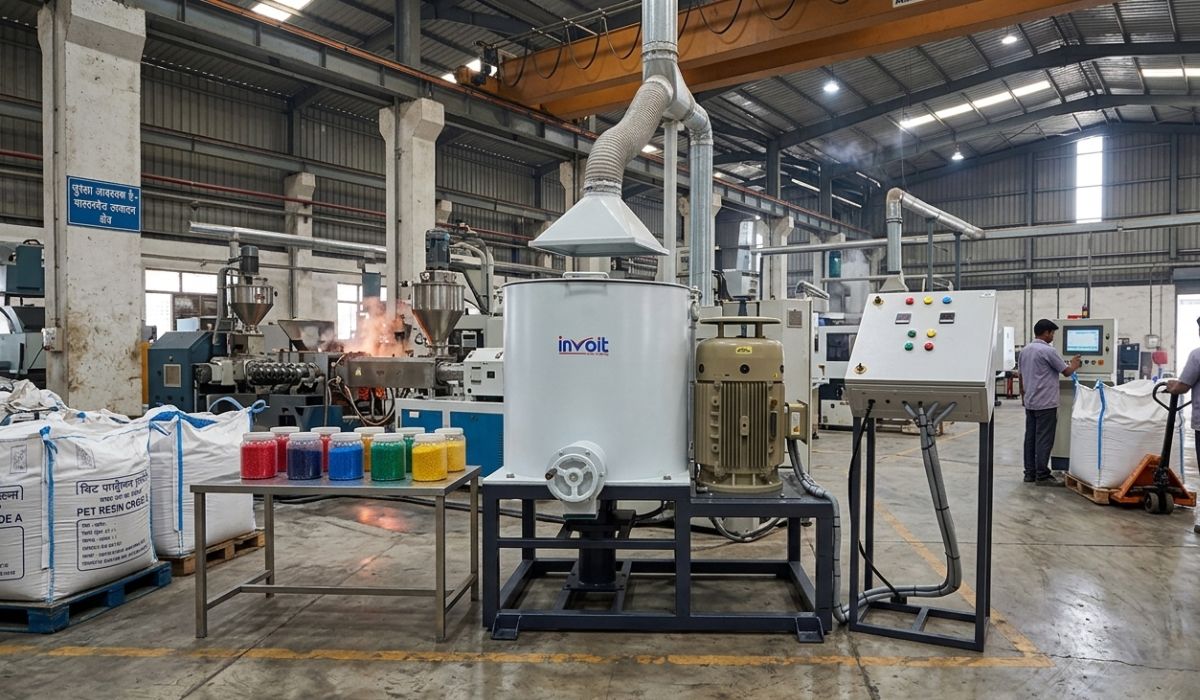
How to Calibrate Your Plastic Dana Mixer for High-Quality PVC Processing
In PVC processing, consistency is everything. Even a small variation in mixing can lead to color inconsistency, poor product strength, or surface defects. That’s why proper calibration of your Plastic Dana Mixer Machine is not just a technical task—it’s a critical business practice.
Many manufacturers invest in good machines but fail to achieve consistent output. The reason is simple: improper calibration. Whether you are using a Plastic Mixer Machine in India for pipes, profiles, or granules, calibration directly affects your final product quality.
In this blog, we will explain how to calibrate your Plastic Dana Mixer Machine in a practical, easy-to-understand way. No complex theory—just real industrial insights that you can apply immediately.
Why Calibration Matters in PVC Processing
PVC is a sensitive material. It reacts quickly to heat, mixing speed, and ingredient distribution. If your mixer is not calibrated properly, you may face:
- Uneven mixing of additives
- Color variation in final products
- Overheating or under heating of material
- Increased rejection rate
- Higher energy consumption
A well-calibrated Plastic Dana Mixer Machine ensures that every batch is consistent. This means better product quality, fewer rejections, and higher profitability.
Understanding the Role of a Plastic Dana Mixer Machine
Before calibration, it’s important to understand what your machine actually does.
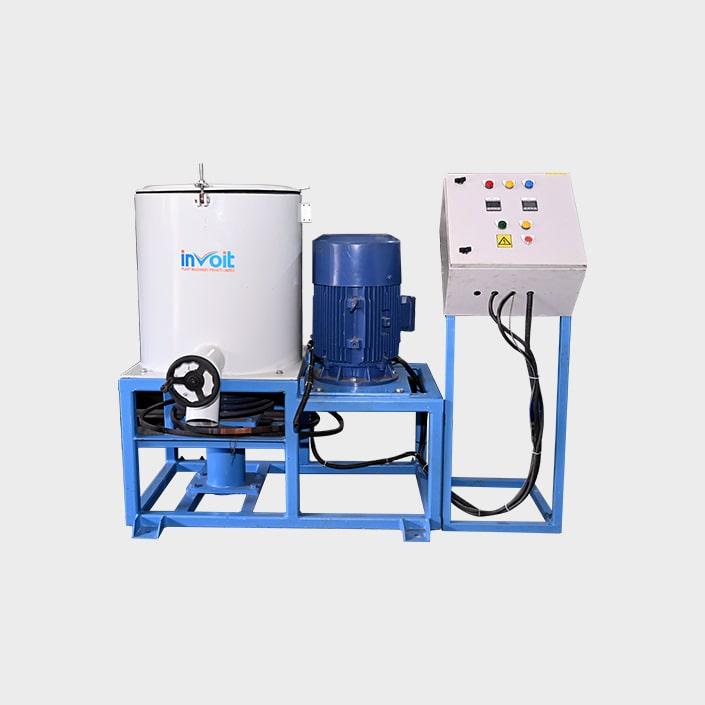
A Plastic Dana Mixer Machine blends PVC resin with stabilisers, fillers, and colour masterbatch. The goal is to create a uniform mixture before further processing.
If mixing is not uniform, the entire production line suffers. This is why leading Plastic Dana Mixer Machine Manufacturers focus heavily on mixer design and performance.
However, even the best machine needs proper calibration to deliver optimal results.
When Should You Calibrate Your Mixer?
Calibration is not a one-time activity. It should be done regularly.
You should calibrate your Plastic Dana Mixer Machine when:
- You install a new machine
- You change raw material suppliers
- You notice inconsistent product quality
- You switch to a new formulation
- You perform major maintenance
Regular calibration ensures your Plastic Processing Machinery runs at peak efficiency.
As production scales and quality expectations rise, these limitations become more visible—and costly.
About Invoit Plast Machinery Pvt. Ltd.
Invoit Plast Machinery Pvt. Ltd. is a trusted Plastic Dana Mixer Machine Manufacturer in India, known for delivering reliable and efficient Plastic Processing Machinery solutions. With strong industry experience and a focus on quality, the company supports manufacturers with high-performance mixing solutions designed for consistent output.
If you are looking to improve your PVC processing quality, choosing the right machine—and calibrating it correctly—can make all the difference.
Step-by-Step Guide to Calibrating Your Plastic Dana Mixer Machine
1. Check Raw Material Consistency
Start with the basics. If your raw materials are inconsistent, no calibration will help.
Ensure that:
- PVC resin quality is stable
- Additives are measured correctly
- Moisture content is controlled
In many Indian factories, inconsistent raw materials are the hidden reason behind poor mixing results.
2. Verify Feeding Accuracy
Feeding is the first step in mixing. If the input is wrong, the output will always be wrong.
Check that:
- All materials are fed in the correct ratio
- Feeding timing is consistent
- No material is getting stuck or delayed
A good high-speed mixer machine manufacturer will always recommend regular feeding checks.
3. Adjust Mixing Time
Mixing time plays a major role in PVC quality.
Too short:
- Poor blending
- Uneven color distribution
Too long:
- Overheating
- Material degradation
You need to find the perfect balance. Start with standard timing and adjust based on your output quality.
4. Monitor Temperature Control
Temperature is one of the most critical factors in PVC mixing.
If the temperature is too high, PVC can degrade. If it is too low, mixing will be incomplete.
During calibration:
- Observe temperature rise during mixing
- Ensure cooling systems are working properly
- Maintain consistent batch-to-batch temperature
Experienced Plastic Dana Mixer Machine India users always keep a close eye on temperature trends.
5. Check Blade and Mixing Efficiency
Mixer blades are responsible for proper material movement.
If blades are worn out or not aligned properly, mixing quality will suffer.
During calibration:
- Inspect blade condition
- Ensure proper alignment
- Check for unusual vibration
This is often ignored but has a huge impact on performance.
6. Evaluate Batch Consistency
After adjusting settings, test multiple batches.
Look for:
- Uniform color
- Consistent texture
- No lumps or segregation
Do not rely on a single batch. True calibration means consistent results over time.
7. Record and Standardize Settings
Once you achieve the desired results, document everything.
Record:
- Mixing time
- Temperature range
- Feeding sequence
This helps your team maintain consistency even if operators change.
Common Calibration Mistakes to Avoid
Even experienced operators make mistakes during calibration. Avoid these common issues:
Ignoring Small Variations
Small changes in temperature or timing can have a big impact. Never ignore minor fluctuations.
Overloading the Mixer
Trying to increase production by overloading the mixer often leads to poor mixing quality.
Skipping Maintenance Checks
Calibration without maintenance is ineffective. Always ensure your machine is in good condition.
Not Training Operators
A well-calibrated machine is useless if operators don’t follow the correct process.
Real-World Industrial Insight
In many PVC processing units across India, manufacturers face frequent rejection issues. After inspection, the root cause is often poor mixer calibration—not machine quality.
A properly calibrated Plastic Mixer Machine in India can:
- Reduce rejection rates significantly
- Improve product finish
- Save energy costs
- Increase production efficiency
This is why leading Plastic Dana Mixer Machine Manufacturers emphasize calibration as part of daily operations.
How Calibration Impacts Your Business
Calibration is not just a technical task—it directly affects your business performance.
When your Plastic Dana Mixer Machine is calibrated correctly:
- Your product quality improves
- Your brand reputation grows
- Your customers trust your consistency
- Your production costs decrease
For export-focused manufacturers, consistent quality is the key to long-term success.
Choosing the Right Plastic Dana Mixer Machine Manufacturer
While calibration is important, machine quality also matters.
A reliable Plastic Dana Mixer Machine Manufacturer will provide:
- Stable mixing performance
- User-friendly controls
- Strong after-sales support
- Guidance on calibration and operation
When selecting a partner for Plastic Processing Machinery, always focus on experience, industry knowledge, and support—not just price.
Final Thoughts
Calibrating your Plastic Dana Mixer Machine is one of the most important steps in achieving high-quality PVC processing. It is not complicated, but it requires attention, consistency, and proper understanding.
By following the steps shared in this guide, you can improve your mixing quality, reduce waste, and boost your overall production efficiency.
In today’s competitive plastic industry, the difference between average and high-quality production often comes down to how well your machines are calibrated.
Make calibration a regular practice—not an occasional fix—and you will see long-term results in both product quality and business growth.
📩 Request Your Quotation Now
+91 63546 02502 , info@invoitplast.com
FAQs
A Plastic Dana Mixer Machine is used to mix PVC resin, additives, fillers, and color masterbatch into a uniform blend before further processing. It ensures consistent material quality in plastic manufacturing.
Calibration ensures accurate mixing time, temperature, and material distribution. Proper calibration helps avoid defects like uneven color, poor strength, and high rejection rates in PVC products.
A Plastic Dana Mixer Machine should be calibrated regularly, especially after raw material changes, formulation adjustments, maintenance work, or when product quality becomes inconsistent.
Common signs include:
- Uneven color in final products
- Material lumps or segregation
- Overheating of PVC material
- Increased rejection rate
- Inconsistent batch quality
Temperature plays a critical role in PVC processing. Too high temperature can damage the material, while too low temperature leads to improper mixing. Proper calibration maintains a balanced temperature for consistent output.
Yes, improper mixing directly impacts product quality. It can cause weak structure, surface defects, and color inconsistency, which affects both performance and market value.
There is no fixed universal time. Ideal mixing time depends on material type, formulation, and machine performance. It should be optimized during calibration based on consistent batch results.
Yes, inconsistent raw materials can disrupt even a well-calibrated machine. Stable resin quality, proper additive measurement, and controlled moisture are essential for accurate calibration.
Proper calibration reduces material waste, lowers rejection rates, improves batch consistency, and optimizes energy usage—leading to higher overall production efficiency.
Before calibration, check:
- Raw material consistency
- Feeding accuracy
- Blade condition
- Cooling system performance
- Machine cleanliness and maintenance
Yes, operator handling plays a major role. Even a properly calibrated machine can give poor results if operators do not follow the correct mixing process.
Consistent product quality is essential for export markets. A well-calibrated Plastic Dana Mixer Machine ensures uniform batches, which builds trust with international buyers and reduces rejection risks.