
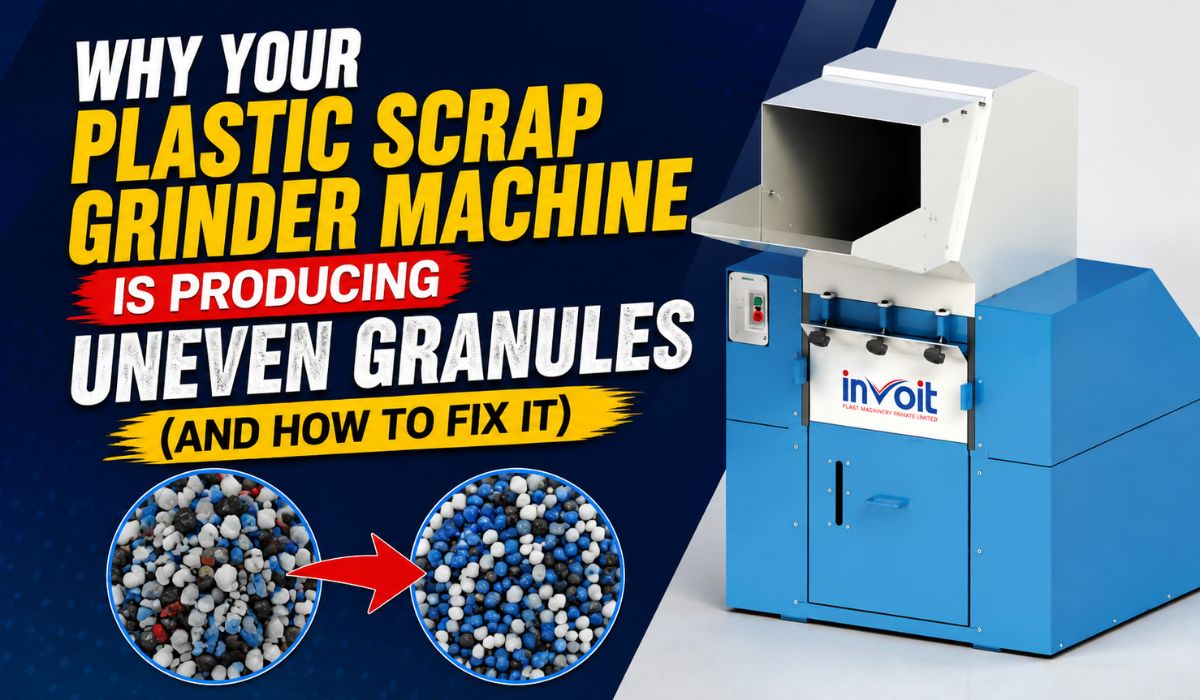
Why Your Plastic Scrap Grinder Machine Is Producing Uneven Granules (And How to Fix It)
If you run a plastic recycling plant, an injection molding workshop, or a blow molding factory, you know how crucial smooth operations are. Every piece of scrap plastic, runner, purge block, or rejected product represents raw material that should be turned back into profit.
That is where your plastic scrap grinder machine comes into play. It is the heart of your in-house recycling line. When it works efficiently, it converts bulky plastic waste into clean, uniform, and reusable regrind that feeds smoothly back into your production machines.
However, many factory managers and machine operators run into a frustrating problem: uneven granule sizes.
Instead of clean, consistent plastic regrind, you end up with a messy mixture of oversized plastic chunks, long ribbons, irregular flakes, and an excessive amount of fine dust.
When your regrind is inconsistent, your entire manufacturing process suffers.
In this detailed practical guide, we will break down the exact reasons why your plastic scrap grinder machine is producing uneven granules, how to fix each issue on your factory floor, and how choosing the right plastic scrap grinder machine manufacturer can save you thousands of hours of downtime.
Why Uniform Plastic Granule Size Actually Matters
Before diving into the causes and solutions, let us take a moment to understand why uneven regrind is more than just a visual issue.
When you feed non-uniform plastic granules into your injection molding machine or extruder, several costly issues occur:
- Inconsistent Melting: Small dust particles melt instantly and can burn inside the barrel, while large plastic chunks take much longer to melt. This leads to unmelted specks and weak spots in your final plastic products.
- Hopper Bridging and Feed Neck Blockages: Large, irregular plastic pieces tend to lock together inside the machine hopper, preventing a steady flow of material into the screw.
- Fluctuating Plastic Density: Uneven granules create uneven packing in the screw channels, leading to shot-weight variations, wall thickness issues, and higher product rejection rates.
- Higher Energy Consumption: Your molding and extrusion barrels have to work much harder and consume more power trying to melt unevenly sized plastic scrap.
Achieving uniform particle size is not just a nice goal—it is a mandatory requirement for cost-effective, high-quality plastic manufacturing.
6 Common Reasons Your Plastic Scrap Grinder Machine Produces Uneven Granules (And How to Fix Them)
When your plastic scrap grinder stops producing uniform regrind, the issue usually stems from mechanical wear, improper setup, or operational mistakes. Let us troubleshoot the six most common root causes.
1. Worn, Dull, or Chipped Grinder Blades
The Problem:
The most frequent cause of irregular plastic granules is dull or damaged cutting blades.
A plastic scrap grinder machine works through high-speed shear action between rotating blades (rotor knives) and stationary blades (stator knives). When the blades are sharp, they slice through plastic cleanly like a pair of sharp scissors.
Over time, processing abrasive plastics, glass-filled resins, contaminated scrap, or rigid purge blocks dulls the cutting edges. Instead of slicing the plastic cleanly, dull blades begin to tear, crush, and hammer the material.
The Result:
- Soft plastics stretch and create long, stringy ribbons.
- Rigid plastics shatter into fine dust and oversized irregular splinters.
- Motor strain increases, leading to higher electricity bills and heat build-up.
How to Fix It:
- Establish a Blade Inspection Schedule: Do not wait for granule quality to drop before checking your knives. Inspect blade edges weekly for wear, rounded corners, or small nicks.
- Resharpen Before Deep Damage Occurs: Resharpen blades as soon as you notice a drop in cutting efficiency. Operating with dull blades accelerates wear on bearings, shafts, and motors.
- Choose Premium Steel Alloys: Ensure your knives are fabricated from high-grade, wear-resistant tool steel suitable for the specific types of plastic you process daily.
2. Incorrect Blade Gap (Rotor to Stator Clearance)
The Problem:
Even brand-new, razor-sharp blades will produce poor regrind if the clearance gap between the rotating blades and stationary blades is set incorrectly.
- Gap Too Wide: When the distance between the rotating knife and stationary knife is too large, thin plastic parts, films, or bottles slip through without being cut properly. The material gets pinched and folded rather than cleanly sheared.
- Gap Too Tight: If the gap is too narrow, blades can rub against each other under heat expansion, causing excessive wear, blade chipping, and micro-dust creation.
The Result:
A wide gap causes fluffy, oversized regrind, while a gap that is too tight creates micro-fines and risks damaging the entire cutting chamber.
How to Fix It:
- Use Precision Feeler Gauges: Never rely on visual guessing when setting blade clearance. Always use feeler gauges during blade installation or re-alignment.
- Adjust for Material Type: Rigid materials (like ABS, Polycarbonate, or Thick PP) generally tolerate slightly different gap settings compared to soft, flexible materials (like LDPE film or TPU).
- Check Alignment Across the Full Length: Ensure the gap is completely uniform across the entire length of the blade, not just at the ends.
3. Worn, Damaged, or Incorrect Screen Mesh
The Problem:
The screen mesh located under the cutting chamber acts as the final gatekeeper for your plastic scrap grinder machine. It holds material inside the cutting zone until it is chopped small enough to pass through the screen holes.
Over time, three main screen issues arise:
- Screen Wear: Constant impact from sharp plastic fragments expands the screen holes or turns round holes into oval shapes.
- Clogged Screen Holes: Melted plastic, paper labels, or fine dust can blind the screen openings, restricting material discharge.
- Incorrect Hole Size: Using a screen hole size that is mismatched for your target application.
The Result:
Worn screen holes allow oversized plastic pieces to fall through into your output bin. Clogged screens trap plastic inside the chamber, causing friction heat that turns granules into sticky, uneven clumps.
How to Fix It:
- Inspect the Screen Mesh Regularly: Check the underside of the screen for enlarged holes, cracks, or heavy wear. Replace worn screens promptly.
- Clean the Screen Daily: Keep screen openings clear using proper brass brushes or compressed air after every shift or material changeover.
- Match Screen Hole Size to Your Application: Ensure your screen hole size matches your processing equipment’s feed screw requirements.
4. Inconsistent or Aggressive Feeding Practices
The Problem:
How your operators feed plastic scrap into the hopper plays a massive role in granule quality.
A common mistake on factory floors is “batch dumping”—throwing a huge pile of thick plastic purgings, bottles, or sprues into the hopper all at once, letting the machine struggle, and then leaving it running completely empty for minutes.
The Result:
Overloading the cutting chamber causes the machine motor to slow down. When rotor RPM drops under sudden heavy loads, the cutting action changes from clean slicing to heavy crushing. This produces an inconsistent mix of coarse chunks and fine dust.
How to Fix It:
- Maintain a Steady Feed Rate: Feed plastic scrap continuously and uniformly. A smooth, steady feed produces the most consistent regrind size.
- Train Machine Operators: Ensure operators understand the machine’s capacity limits and avoid overcrowding the hopper.
- Consider Automated Conveyor Feeding: For high-volume recycling lines, using a belt conveyor or automated feed system eliminates human error and guarantees a balanced, steady feed.
5. Mixing Different Types of Plastic Scrap
The Problem:
Attempting to grind different types of plastic waste simultaneously is a recipe for uneven granule production.
For example, mixing soft film scrap (LDPE) with thick, rigid runners (Nylon or ABS) inside the same grinding chamber creates severe size inconsistencies.
The Result:
Different plastics possess vastly different tensile strengths, impact resistance, and melting temperatures. Hard plastics shatter quickly into sharp flakes, while soft plastics require sharp shear to avoid stretching. Mixing them results in a messy combination of dust, stretched strings, and irregular flakes.
How to Fix It:
- Pre-Sort Your Plastic Scrap: Keep your plastic scrap stream sorted by polymer type (e.g., PP, HDPE, ABS, PET) and material form (e.g., thin bottles vs. heavy solid purgings).
- Dedicated Grinding Runs: Process soft materials and heavy rigid materials in separate grinding batches, adjusting screen sizes and blade gaps accordingly.
6. Loose Drive Belts and Rotor Vibration
The Problem:
A plastic scrap grinder machine relies on high torque and steady rotational speed transmitted from the electric motor to the rotor via V-belts and a flywheel.
Loose or worn V-belts slip under load, causing sudden drops in rotor speed. Furthermore, unbalanced rotors or worn bearings cause excessive machine vibration.
The Result:
Flucutuations in rotor speed directly alter the cutting dynamic. Slow rotational speed leads to incomplete shear, tearing the plastic instead of cutting it cleanly. Vibration can also cause blade gap settings to shift during operation.
How to Fix It:
- Check V-Belt Tension: Inspect drive belt tension weekly and tighten or replace loose, slipping belts.
- Monitor Bearing Health: Lubricate rotor bearings according to maintenance schedules and listen for abnormal whining or grinding noises.
- Ensure Stable Installation: Mount your plastic scrap grinder on a flat, solid foundation with vibration-dampening pads.
A Blade Plastic Pulverizer Machine (often referred to as a rotor knife pulverizer or turbine pulverizer) relies on sharp, high-speed rotating blades cutting against stationary bed blades to break down plastic materials.
Quick Troubleshooting Checklist for Granule Quality
Here is a quick reference table to help your maintenance team identify and fix granule quality issues fast:
|
Symptom |
Probable Cause |
Recommended Action |
|
Excessive Fine Dust & Fines |
Dull blades or blade gap set too tight |
Resharpen blades and re-adjust gap using feeler gauges |
|
Oversized Chunks & Splinters |
Blade gap too wide or screen holes worn |
Tighten blade clearance; replace worn screen mesh |
|
Long, Stringy Plastic Strips |
Dull knives or processing soft film with wrong rotor type |
Sharpen blades; ensure proper shear blade configuration |
|
Melted Clumps in Output |
Clogged screen mesh or dull blades creating heat |
Clean screen openings; inspect cutting edges |
|
Motor Slowing Down / Stalling |
Overfeeding hopper or loose motor drive belts |
Implement steady feeding rate; adjust drive belt tension |
The Downstream Cost of Ignoring Granule Quality
Allowing your plastic scrap grinder to continue producing uneven regrind might seem like a small issue, but its financial impact adds up rapidly across your factory floor:
- Increased Scrap Rates: Molded parts suffer from sink marks, air pockets, and cosmetic blemishes caused by uneven melting.
- Screw & Barrel Damage: Hard, oversized plastic pieces increase mechanical wear on your processing machinery’s feed screw and barrel.
- Higher Labor Costs: Machine operators spend excessive time unclogging hopper feed throats and manually sieving bad regrind.
- Wasted Raw Material: Valuable plastic resin gets degraded into unsalable dust or burnt material.
By taking control of your granulating process, you protect your production quality and maximize your material recovery.
Why Machine Quality Matters: The Invoit Plast Advantage
While proper maintenance and smart operator practices are vital, the foundation of consistent plastic regrind starts with the quality of the machinery itself.
Not all plastic scrap grinders are built the same. Cheaper, poorly designed machines often suffer from weak frame rigidity, sub-standard blade steel, unstable blade adjustment mechanisms, and poorly engineered airflow—leading to frequent breakdown and uneven cutting performance.
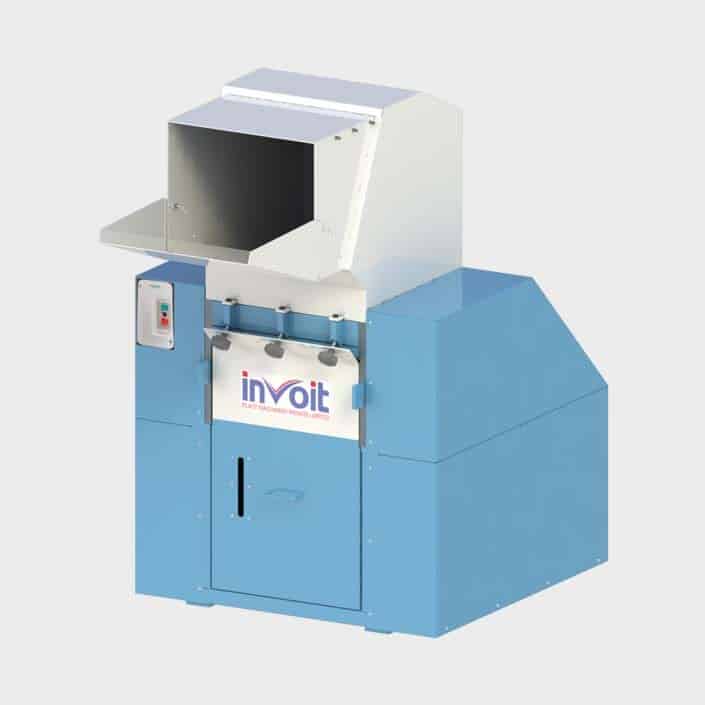
As a premier Plastic Scrap Grinder Machine Manufacturer in India, Invoit Plast designs and builds robust, high-performance recycling machinery engineered specifically to meet demanding industrial challenges.
Why Leading Manufacturers Trust Invoit Plast:
- Heavy-Duty Construction: Built with rigid, vibration-resistant frames that maintain accurate blade clearances even under intense, continuous grinding loads.
- Precision Cutting Chambers: Engineered rotor designs ensure optimal cutting angles, reducing dust creation, minimizing energy usage, and producing exceptionally uniform granules.
- High-Grade Wear-Resistant Blades: Fitted with durable tool steel knives that hold their sharp cutting edge longer, drastically reducing sharpening frequency and maintenance downtime.
- User-Friendly Maintenance: Designed for quick screen changes, easy blade access, and straightforward gap adjustments, helping your team keep downtime to an absolute minimum.
- Tailored Recycling Solutions: Whether you need to process thin film scrap, blow-molded bottles, heavy injection runners, or thick purging blocks, Invoit Plast provides customized machine configurations tailored to your specific plastic material.
Proactive Daily Maintenance Routine for Uniform Regrind
To keep your plastic scrap grinder machine operating at peak efficiency shift after shift, adopt this straightforward maintenance habit:
Start of Shift:
- Perform a visual check of the cutting chamber to ensure no tramp metal or foreign objects are inside.
- Inspect the screen mesh to confirm all openings are clear.
- Ensure all safety locks and hopper covers are securely fastened.
End of Shift:
- Clean out remaining plastic granules from the output bin and under the screen.
- Wipe down the hopper feed area.
- Log any unusual noises, vibrations, or drops in cutting performance for the maintenance crew.
Weekly Routine:
- Inspect blade edges for dullness, nicks, or wear.
- Check drive belt tension and motor alignment.
- Verify blade gap clearance across all knife sections using feeler gauges.
Take Control of Your Plastic Granule Quality Today
Uneven plastic granules are not an inevitable part of plastic recycling—they are a sign that your cutting system needs attention. By routinely inspecting your blades, maintaining precise gap settings, keeping your screen mesh clean, and feeding material smoothly, you can achieve clean, uniform regrind every single day.
If your current machinery is struggling to keep up with your production standards, or if you are looking to upgrade your plastic recycling setup, partner with an industry leader who understands your needs.
Invoit Plast is committed to delivering durable, efficient, and precision-engineered machinery that transforms your plastic scrap into high-value regrind.
Contact the team at Invoit Plast today to speak with a recycling expert, explore custom grinder options, and take your factory’s productivity to the next level.
📞 Start Your Project with the Right Pulverizer Solution : +91 63546 02502 , info@invoitplast.com
FAQs
The main cause of uneven granule size is typically dull cutting blades or an incorrect blade gap clearance. When blades lose their sharp cutting edge or the distance between rotor and stator knives is too wide, plastic gets crushed or folded rather than cleanly sheared. Other common causes include worn screen mesh holes, overloaded feeding, and grinding mixed plastic materials together.
Grinder blades should be visually checked at least once a week for nicks, rounding, or edge dullness. Blades should be resharpened at the very first sign of increased fine dust production or dropping cutting speed. Regular blade sharpening prevents premature wear on motor bearings and maintains smooth granule production.
If the blade gap is set too wide, thin plastic parts and films will fold and slip through without being cut, resulting in oversized chunks and stringy ribbons. If the gap is set too tight, thermal expansion during continuous operation can cause the blades to rub against each other, leading to blade chipping, excessive micro-dust, and internal friction.
Excessive dust occurs when the machine hammers and crushes plastic scrap instead of shearing it cleanly. This is caused by dull rotor knives, an incorrectly tight blade gap, or using a motor with slipping drive belts that drop cutting speed under load. Resharpening blades and setting accurate blade clearance solves this issue.
It is not recommended to grind soft film and hard rigid scrap together in the same batch. Soft materials (like film or sheet scrap) require razor-sharp shear action, while rigid materials (like purgings or sprues) require different rotor dynamics. Grinding them together results in inconsistent granule sizes, stringy plastic strips, and high dust levels.
Uniform granules melt at a consistent rate inside the heating barrel, preventing unmelted specks, weak points, and cosmetic defects in finished plastic products. Consistent granule size also prevents hopper bridging, keeps material bulk density steady, avoids screw throat clogging, and lowers overall factory energy consumption.
To prevent plastic from melting inside the chamber, ensure the discharge screen mesh is clean and unblocked, maintain sharp cutting blades, and maintain a steady, continuous feed rate instead of dumping large batches into the hopper all at once. Proper airflow through the chamber also keeps grinding temperatures low.
A simple daily maintenance routine includes clearing out residual regrind at the end of every shift, inspecting screen mesh openings for clogs, checking the cutting chamber for foreign metal objects, wiping down the feed hopper, and listening for any unusual vibration or bearing noise before starting a shift.
When selecting a plastic scrap grinder, look for heavy-duty vibration-resistant frame construction, high-grade wear-resistant tool steel blades, precise blade gap adjustment mechanisms, quick-change screen systems, and robust safety interlocks. Matching the rotor design to your specific material type is also essential.
Invoit Plast is recognized as a leading Plastic Scrap Grinder Machine Manufacturer in India due to its commitment to heavy-duty engineering, precision cutting chamber design, and long-lasting blade performance. Invoit Plast machines are engineered to withstand continuous industrial use, delivering uniform regrind quality, reduced energy consumption, and long-term reliability for plastic processors.